
Last updated September 25, 2026
Free written scope consultation - allowances, timeline, and change-order rules on paper before a single trade is scheduled



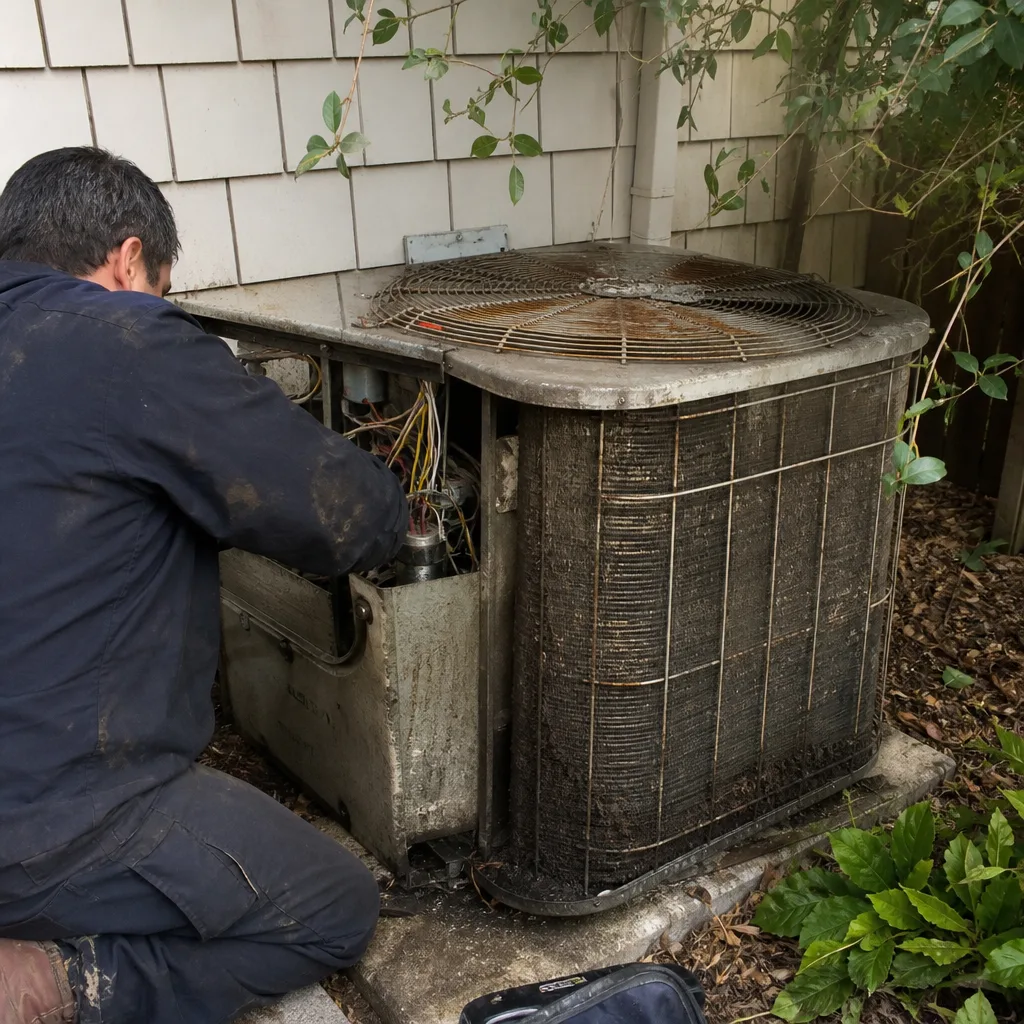 Before
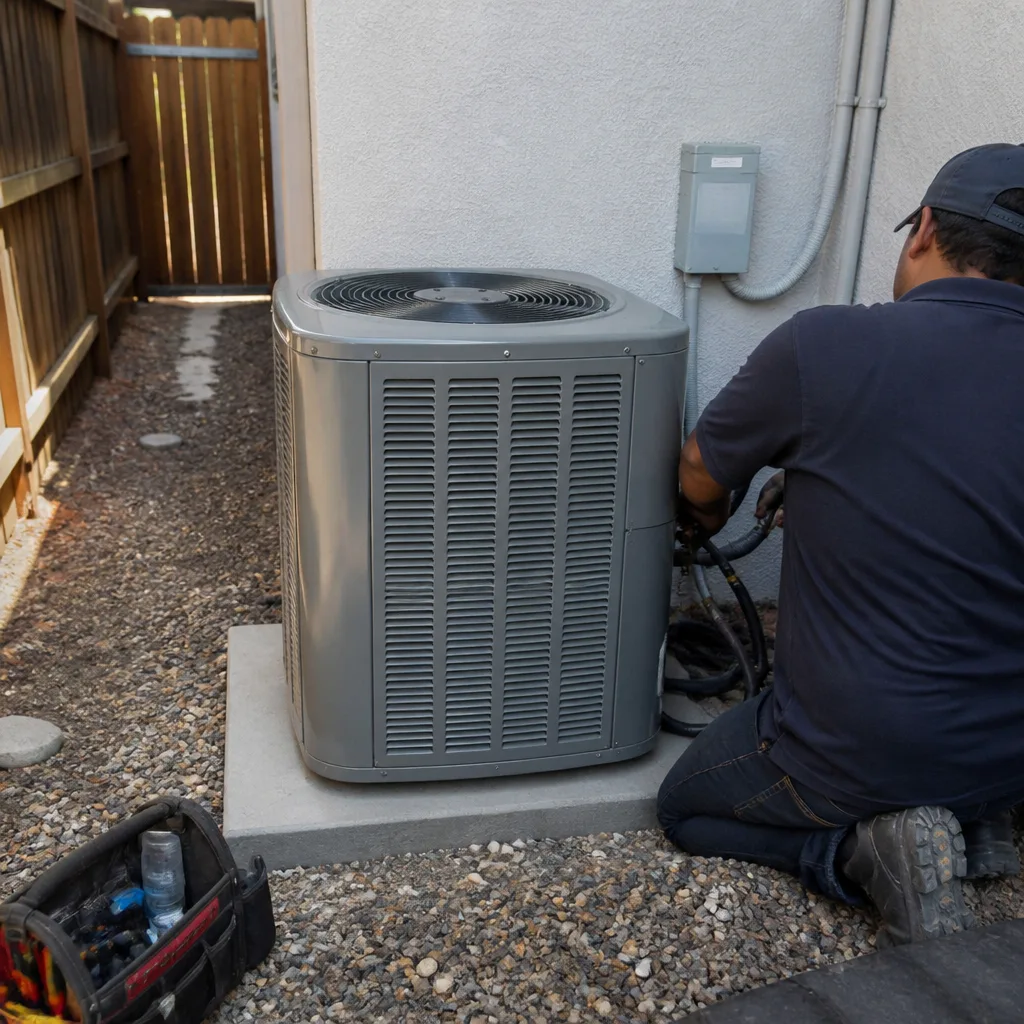 After
After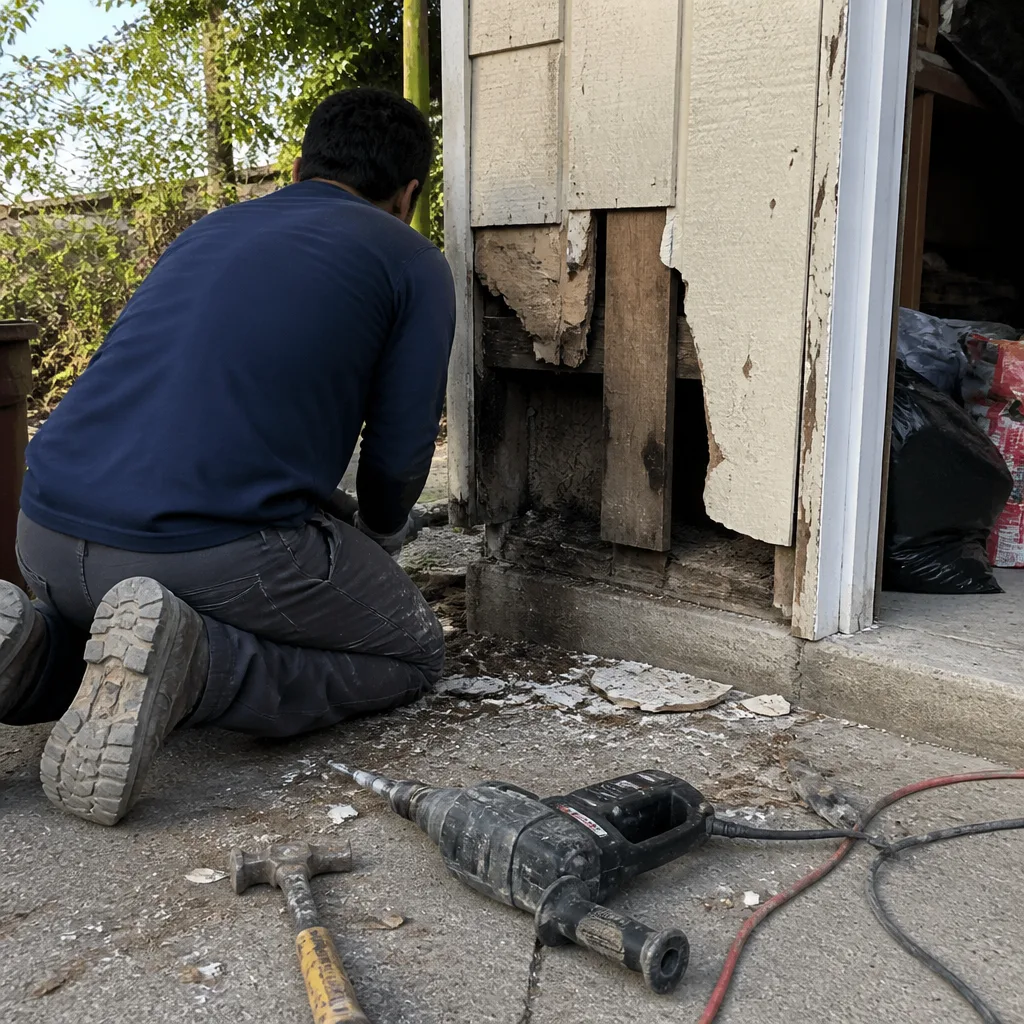 Before
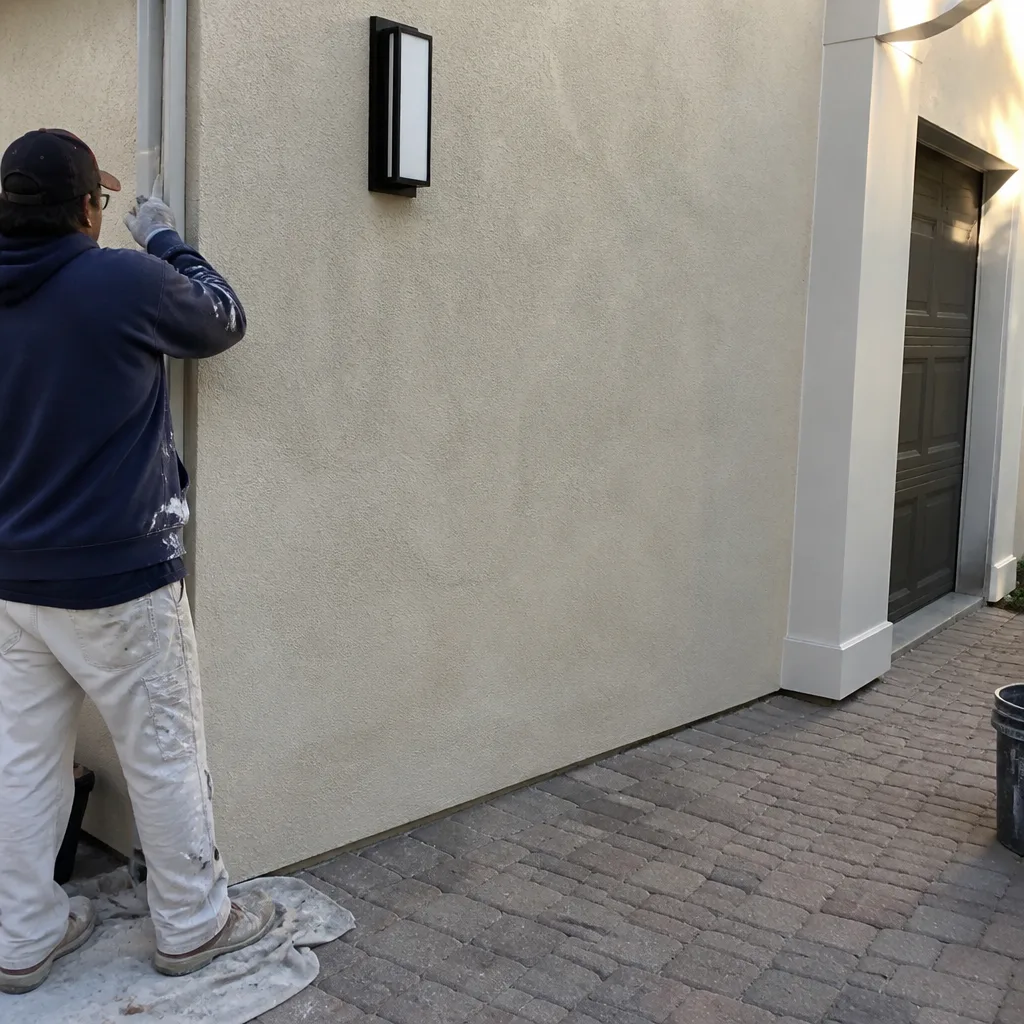 After
After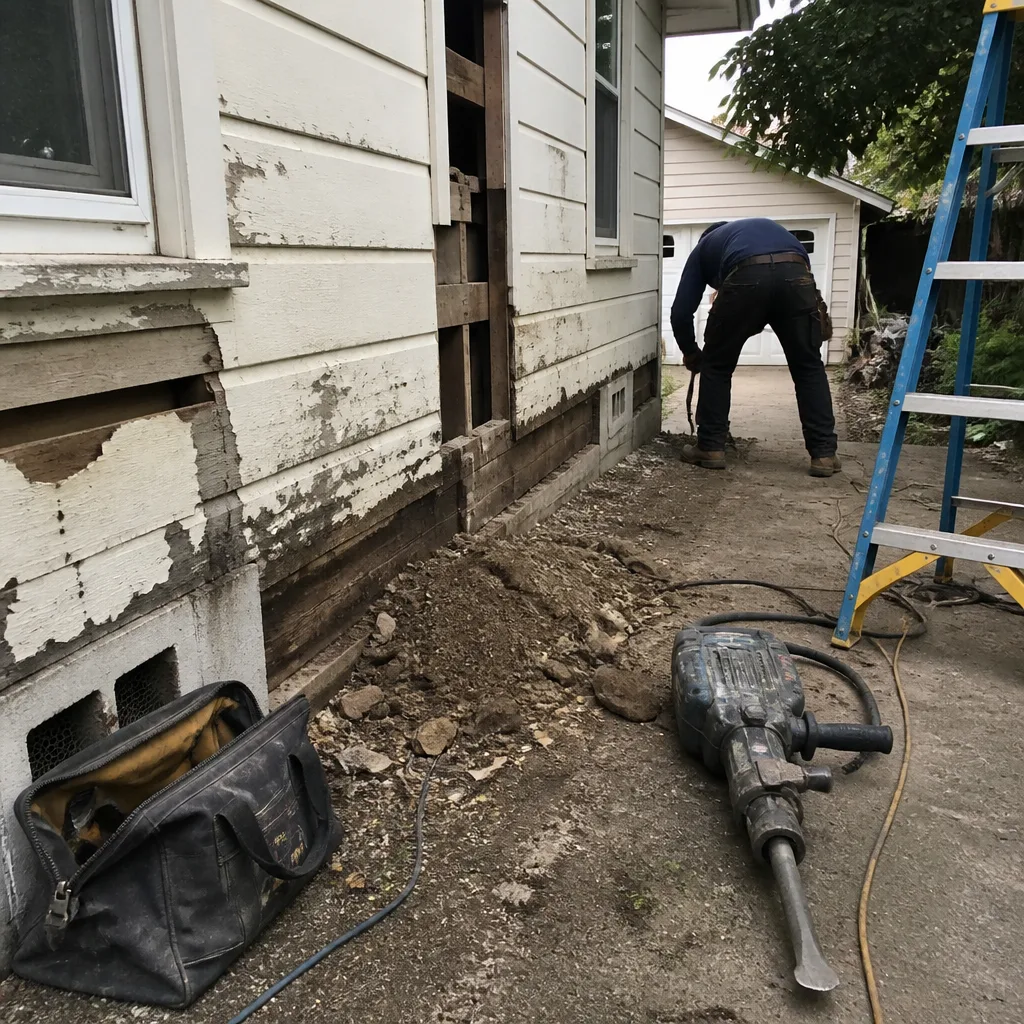 Before
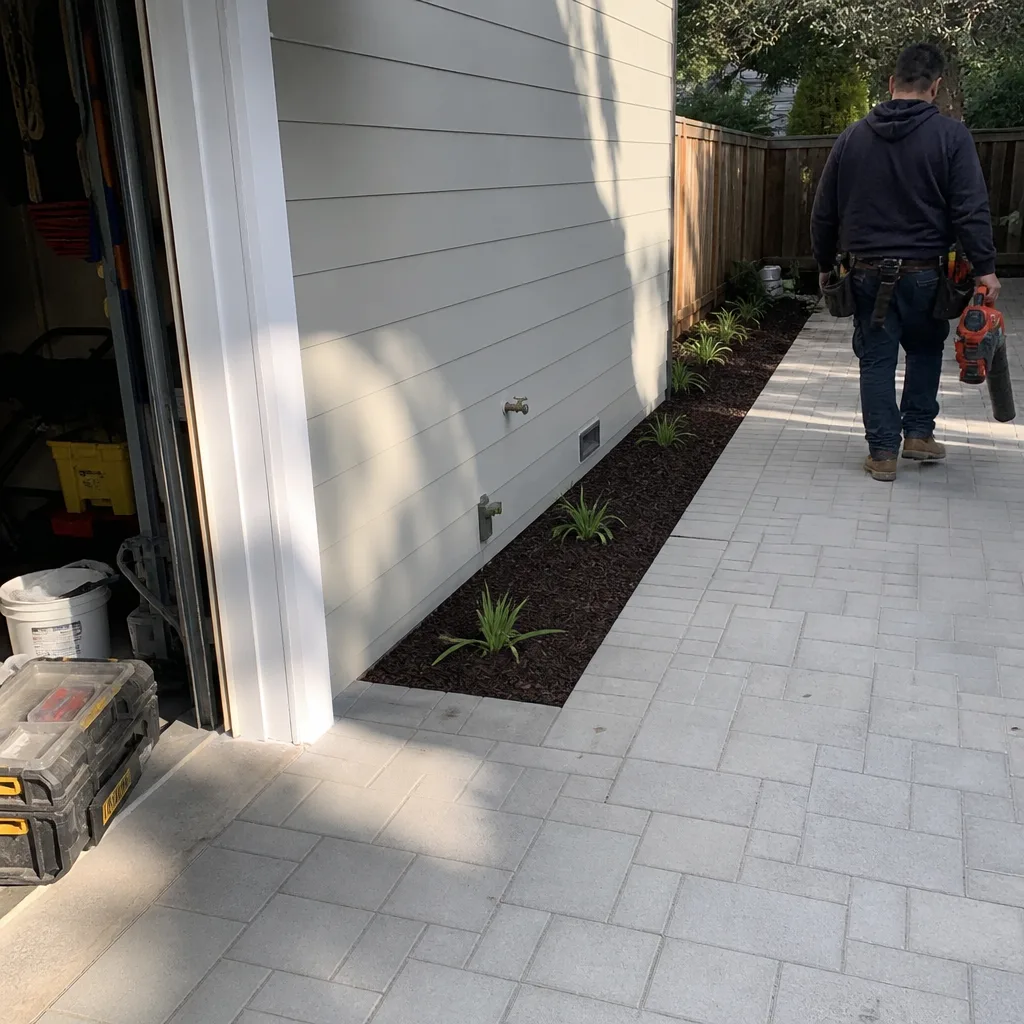 After
AfterSeasonal Construction Care for Mountain View: Year-Round Homeowner’s Guide
A failed kickout flashing, a $12 piece of metal at the roof-to-wall junction, causes more water intrusion claims in the Bay Area than any other single construction detail. You can inspect it from the ground with binoculars every October, yet most Mountain View homeowners never do. This guide gives you a month-by-month task list tied to our actual weather pattern, not a generic national template, because Mountain View’s mild Mediterranean climate creates a dangerous false sense of security. For a deeper dive into local requirements, see The Complete Guide to Construction in Mountain View. Those 15 to 20 annual inches of rain arrive concentrated between November and March, and our thermal swings stress caulk, flashing, and wood framing in ways that demand a specific seasonal inspection calendar.
Quick Answer
Mountain View homeowners should run four seasonal construction checks: an October pre-rain inspection of kickout flashing, gutters, and exterior caulk; a January mid-rain crawlspace moisture and drainage review; an April post-rain assessment of stucco, fascia, and driveway joints; and a July through September heat and UV audit of deck gaps, south-facing paint, and attic temperatures. Year-round, replace your water heater anode rod every 3 to 4 years instead of the standard 5 to 6, because Mountain View’s water hardness accelerates corrosion. See our Construction Cost Breakdown: The Mountain View Homeowner’s Reference for 2026 for typical maintenance budgeting.
Table of Contents
- October Pre-Rain Checklist: Before the First Storm
- January Mid-Rain Check: Crawlspaces and Drainage
- April Post-Rain Assessment: What the Wet Season Revealed
- July Through September: Heat, UV, and Thermal Movement
- Year-Round: Mountain View Water Hardness and Hidden Wear
- What to Document and When
- Common Mistakes to Avoid
- When to Call a Professional
- Frequently Asked Questions
 Before
 After
AfterOctober Pre-Rain Checklist: Before the First Storm
In Mountain View, the first significant rain typically arrives by late October. The dry months from May through September bake caulk, loosen flashing, and fill gutters with oak and pine debris from the mature canopies in neighborhoods like Old Mountain View and the Monta Loma area. October is your last window to catch these failures before water finds them.
Kickout Flashing Inspection
The kickout flashing diverts roof runoff away from the wall at the point where the roof plane meets a vertical surface. Without it, or with one that has pulled loose, water runs behind the siding and into the wall cavity. In our experience across Mountain View, this is the most common preventable source of rot in 1960s and 1970s ranch homes, which make up much of the city’s housing stock.
- Stand at the street or sidewalk with binoculars and sight along each roof-to-wall junction.
- Look for a triangular piece of metal that kicks out at the bottom of the intersection, directing water into the gutter.
- Check that the flashing is tight to the wall, not lifted or missing fasteners.
- If you see staining on the wall below the junction, or if the flashing is absent, call for inspection before the rains.
We document kickout flashing condition with a photo on every Roofing in Mountain View assessment we perform. The customer receives that photo in their record.
Gutter Downspout Extension Verification
Downspouts must discharge at least 6 feet from the foundation, per standard drainage practice. In Mountain View’s clay-heavy soils, particularly in the sloped areas near the foothills, concentrated water at the foundation leads to hydrostatic pressure and crawlspace moisture. Extensions get kicked, run over, or removed for mowing and never replaced.
- Verify every downspout terminates into a splash block or extension that carries water away from the foundation.
- Check that underground drains, if present, are clear; a garden hose test will reveal blockages.
- In the Cuesta Park neighborhood, where lots are smaller and foundations closer to property lines, consider a French drain if extensions cannot achieve adequate distance.
Exterior Caulk at Window and Door Frames
Caulk is the seal between your window or door frame and the surrounding wall. In Mountain View’s climate, it sees 40-degree temperature swings in a single day during fall and spring, which causes expansion and contraction that pure silicone cannot accommodate on paintable surfaces.
Use siliconized acrylic latex caulk for paintable exterior joints. It flexes, it accepts paint, and it lasts 5 to 7 years in our conditions. Pure silicone is for non-paintable applications only, such as glass-to-metal seals. Inspect caulk lines for cracking, pulling away from either substrate, or missing sections. Re-caulk before the rains; once water enters, the damage compounds through the wet season.
January Mid-Rain Check: Crawlspaces and Drainage
By January, Mountain View has received the bulk of its annual rainfall. This is when hidden problems declare themselves. The January check is not about prevention; it is about catching what the October inspection missed, and about verifying that your drainage systems are handling the load.
Crawlspace Moisture Inspection
A $30 hygrometer, placed in the crawlspace for 48 hours during a rainy week, tells you what you cannot see. Relative humidity above 70 percent sustained for more than a few days creates conditions for mold growth and wood rot. In Mountain View, where many homes built in the 1950s through 1980s have minimal foundation ventilation, this is a frequent finding.
- Place the hygrometer on a block or brick, not directly on soil, to avoid ground moisture skewing the reading.
- Record readings morning and evening for two days during active rain.
- If readings consistently exceed 70 percent, inspect for standing water, efflorescence on foundation walls, or damp soil.
- Check that foundation vents are unobstructed; landscaping mulch and ground cover often block them.
In the Waverly Park area, where water tables run higher, we regularly see sump pumps that have failed silently. Test yours by pouring a bucket of water into the pit; the pump should activate within seconds. If it does not, the float switch may be stuck or the pump may have burned out.
Drainage Swale Clearance
Many Mountain View properties, especially in the older subdivisions near downtown, rely on swales, shallow depressions that carry surface water away from structures. Swales fill with leaves, soil, and landscape debris. A blocked swale during a January storm sends water where it was never intended to go.
Walk your property during rain, if safe to do so, and observe water flow. It should move steadily through the swale and away from the house. Ponding near the foundation, or water flowing toward rather than away from the structure, indicates a grading or blockage problem that needs correction before the next storm.
April Post-Rain Assessment: What the Wet Season Revealed
April in Mountain View brings reliable dry weather and enough daylight after work to conduct a thorough exterior review. The wet season has tested every seal, every slope, and every material. Now is when you catalog what it found.
Stucco Crack Mapping
Stucco cracks fall into two categories: hairline, which are cosmetic and expected as the building settles and seasons; and structural, which indicate movement, moisture intrusion, or inadequate lath fastening. The distinction matters for timing and cost.
- Hairline cracks are less than 1/16 inch wide, run in random directions, and show no displacement of the sides.
- Structural cracks are wider than 1/16 inch, run in stair-step or diagonal patterns, or show that one side has shifted relative to the other.
- Map every crack with masking tape and a marker, noting date and approximate width. Photograph the map.
- Re-inspect in October. Cracks that have widened or lengthened indicate ongoing movement and need professional evaluation.
In Mountain View’s earthquake country, some cracking is inevitable. The question is whether it is active. Our documented photo record on every visit lets us compare year over year, which is the only way to judge progression with confidence.
Wood Fascia Probing
The fascia board runs behind the gutter and is the roof edge’s last defense against water. Probe with a screwdriver at multiple points; soft wood that accepts the blade easily indicates rot. Pay particular attention to corners and joints, where water concentrates. In Mountain View, redwood fascia on homes from the 1960s and 1970s often shows decay at the ends first, where end grain wicks moisture.
Driveway Concrete Joint Inspection
Concrete expands and contracts; control joints are the planned cracks that prevent random cracking. In April, after the wet season, check that joints are clean and that sealant, if originally installed, is intact. Water entering joints, then freezing in colder microclimates or carrying salts, accelerates spalling and subbase erosion.
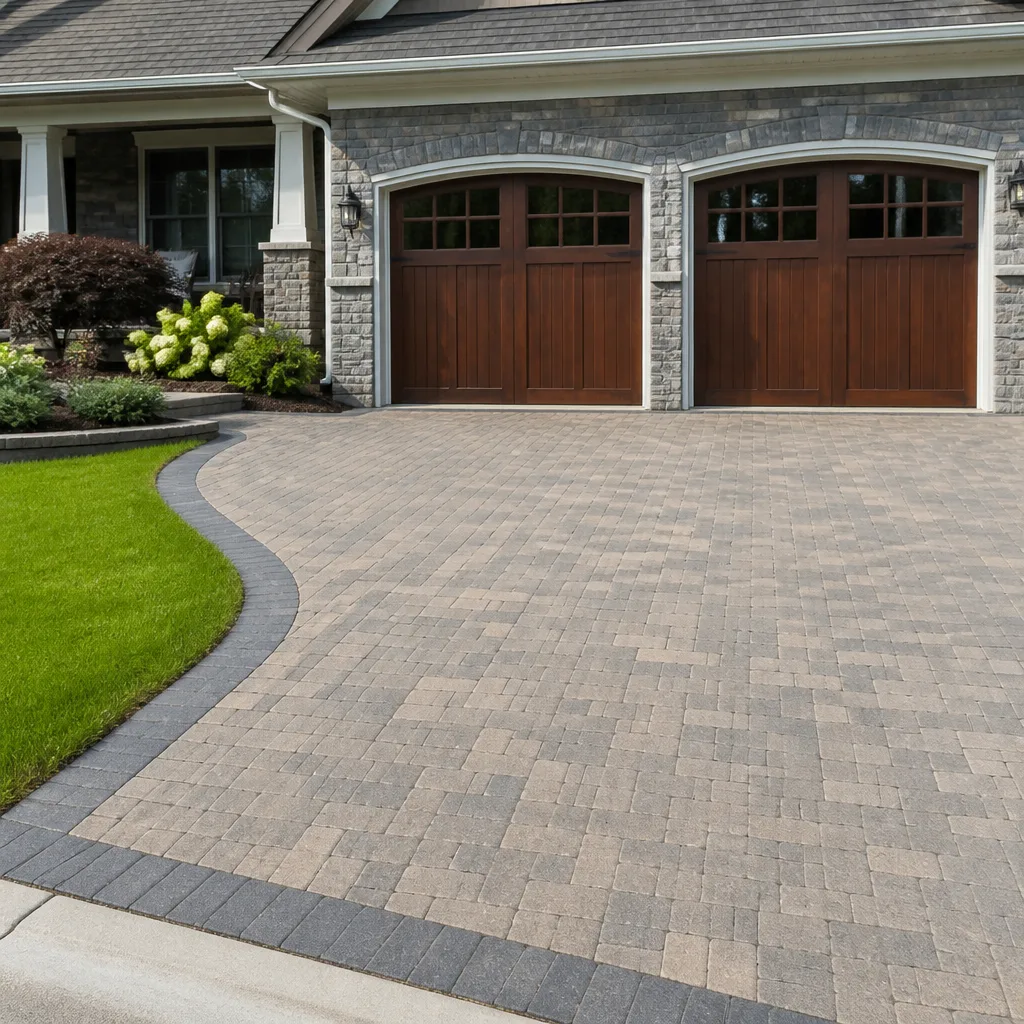
For paver driveways, which we install using Belgard and Techo-Bloc products, April is the time to check joint sand levels. Erosion over winter creates gaps that allow paver movement and weed intrusion. Replenish polymeric sand before the summer heat sets it.
July Through September: Heat, UV, and Thermal Movement
Mountain View’s summer is mild by national standards, but the UV index is high and south-facing surfaces absorb significant radiant heat. July through September is when thermal expansion peaks and when deferred maintenance from prior seasons accelerates into visible failure.
Deck Board Gap Measurement
Deck boards expand across their width with moisture and contract with heat and dryness. In summer, gaps should be at their widest. If they are tight, winter expansion will cause buckling. The target gaps are:
- Pressure-treated lumber: 1/8 inch minimum in summer
- Composite decking: 3/16 inch minimum in summer
Measure at multiple points across the deck, including areas shaded by overhangs, which lag in drying. In the Blossom Valley adjacent areas of Mountain View, where morning fog lingers, deck boards on the north side may read tighter than those on the south. Account for this variation.
We use Schluter systems under tile decks in some Mountain View applications, where the membrane and drainage plane manage moisture independent of the decking above. The gap rules still apply to the surface material.
Exterior Paint Condition on South-Facing Surfaces
South-facing walls in Mountain View see the most UV exposure and the widest temperature swings. Paint fails first here: chalking, alligatoring, and peeling are summer-visible symptoms of substrate moisture or age degradation. Inspect with binoculars from the ground, or use a ladder with proper fall protection.
Paint is not cosmetic; it is the primary moisture barrier for wood siding and trim. Failed paint in summer means water entry in winter. The cost of repainting a south-facing elevation is predictable; the cost of replacing rotted sheathing behind it is not. Under Clause 1 of the Haven Standard, we put the repainting scope and price in writing before work starts, so the customer can budget accurately.
Attic Temperature Check
On a 90-degree day, an attic in Mountain View should not exceed 130 degrees with proper ventilation. Higher temperatures indicate blocked soffit vents, inadequate exhaust venting, or insulation that has been displaced. Use a probe thermometer or infrared thermometer at the attic hatch; do not enter the attic in extreme heat.
Excessive attic temperatures accelerate shingle degradation on the roof deck above and increase cooling load below. In homes with Kitchen Remodeling in Mountain View projects that added can lights or modified ceiling planes, we verify that insulation and ventilation were restored to specification, not compressed or omitted.
Year-Round: Mountain View Water Hardness and Hidden Wear
Mountain View’s municipal water supply, drawn from the Hetch Hetchy system and local wells, runs moderately hard, approximately 120 to 150 parts per million calcium carbonate. This is not extreme by national standards, but it is harder than the soft water markets where standard maintenance intervals are written.
Water Heater Anode Rod Replacement
The anode rod is a sacrificial magnesium or aluminum rod inside the water heater tank that corrodes preferentially, protecting the steel tank from rust. In soft water, it lasts 5 to 6 years. In Mountain View’s water, we see significant depletion at 3 to 4 years. A failed anode rod means the tank itself begins to corrode, and replacement follows within 1 to 2 years.
- Locate the anode rod hex head on top of the water heater; it may be under a plastic cap.
- With the heater off and water pressure relieved, unscrew the rod with a 1-1/16 inch socket and breaker bar.
- If the rod is reduced to a thin wire core, or if chunks fall away when handled, replace it.
- Install a new magnesium rod for standard conditions, or an aluminum-zinc rod if hydrogen sulfide odor is present.
This is straightforward maintenance that most homeowners can perform. However, if the heater is in a tight attic or closet, or if the rod is seized, a plumber’s assistance is warranted. We do not perform this work, but we flag it during whole-home assessments because the cost of a $30 rod is trivial against the cost of premature tank failure and the water damage that often accompanies it.
What to Document and When
A seasonal maintenance program without documentation is anecdote, not evidence. For Mountain View homeowners who may sell in the next 5 to 10 years, and many will given the area’s turnover rate, documented maintenance history supports asking price and reduces inspection contingencies.
We recommend a simple system:
- October: Photo log of kickout flashing, gutters, and caulk lines with date stamps
- January: Hygrometer readings, sump pump test result, drainage observations
- April: Crack map photos, fascia probe notes, driveway joint condition
- July: Deck gap measurements, south-facing paint photos, attic temperature reading
- Year-round: Anode rod replacement date and rod condition photo
Rowan Construction Group Mountain View provides a documented photo record on every visit as standard, not as an upgrade. Our customers receive a dated, organized file of what we found and what we did. This is the administrative discipline that Haven acquired Rowan for, and it is the reason a homeowner in Mountain View can prove, not merely claim, that their property has been maintained.
Common Mistakes to Avoid
- Using pure silicone caulk on paintable exterior surfaces. It will not accept paint, and the visible bead becomes a maintenance eyesore that homeowners ignore rather than repair. Siliconized acrylic is the correct product for this application.
- Inspecting the crawlspace only by smell or sight from the hatch. Moisture varies across the footprint; a hygrometer placed centrally for 48 hours gives a representative reading that a glance cannot.
- Waiting for visible water in the crawlspace to act. By the time water is visible, framing damage and mold colonization are often established. The hygrometer catches elevated humidity before it becomes standing water.
- Measuring deck gaps in winter. Boards are at their widest then; a “tight” reading in December means buckling risk, but a “adequate” reading may mask summer gapping that is too wide for safety. Measure in July and record the season.
- Replacing the anode rod on the standard 5-year national interval. Mountain View water hardness accelerates consumption. The 3 to 4 year interval is local knowledge that prevents premature tank failure.
- Ignoring kickout flashing because the roof is “new.” Even a 2-year-old roof can have a kickout that was omitted, improperly flashed, or damaged by wind. Age of the roof is not a proxy for condition of this detail.
- Documenting with mental notes. Buyers, insurers, and contractors have no use for what you remember. Photos with dates, written readings, and organized files are the only documentation that transfers with the property.
When to Call a Professional
Some seasonal checks are within the capability of most Mountain View homeowners. Others require training, equipment, or the judgment that comes from seeing hundreds of similar conditions. Call a professional when you find kickout flashing that is absent or improperly installed; when hygrometer readings exceed 70 percent and you cannot identify the source; when stucco cracks show displacement or active widening; when fascia probing reveals soft wood that extends more than a few inches; or when attic temperatures exceed 130 degrees and you cannot safely investigate ventilation.
Rowan Construction Group Mountain View offers free estimates in Mountain View. Call (669) 215-4852 to schedule an assessment. We will review your documentation, perform our own inspection, and provide a written price before any work starts, under Clause 1 of the Haven Standard. We also offer a Free Second Opinion on any written estimate from another contractor; bring their quote and we will review it line by line at no charge.
Frequently Asked Questions
A professional seasonal inspection for a single-family home in Mountain View typically ranges from $250 to $450, depending on accessibility and scope. This covers roof edge, crawlspace, exterior envelope, and drainage review with a documented photo record. Call (669) 215-4852 for an exact quote; estimates are free.
Most of the October checklist is ground-level visual inspection that a homeowner with binoculars and a ladder can complete in 90 minutes. Kickout flashing verification, gutter clearing, and caulk inspection require no special training. If you find conditions that need correction, or if your roof is steep enough that ladder work feels unsafe, a contractor’s assessment is warranted. We document what we find and give you the photo record.
No. Under the Haven Standard, no work proceeds on a change until the change order is signed. The quote you receive is a flat price with a written scope. This discipline has kept Rowan’s projects within a few percent of the agreed cost across 4,000-plus jobs since 2007. If we find concealed damage during work, we stop, document with photos, and present a signed change order before continuing.
A thorough assessment of roof, crawlspace, exterior envelope, and drainage systems takes 2 to 3 hours for a typical 1,500 to 2,500 square foot Mountain View home. Larger homes, those with finished attics or basements, or properties with extensive hardscaping may take longer. We schedule a half-day window and use the time needed to be complete, not fast.
Maintenance tasks such as re-caulking, gutter cleaning, anode rod replacement, and deck gap verification do not require permits in Mountain View. Repairs that involve structural modification, roof covering replacement, or changes to drainage that affects neighboring properties may. For details on when permits apply, read Construction Permits, Codes & Inspections in CA: What You Need to Know. We pull all permits required for work we perform and pass all inspections; the permit status and inspection results are part of your documented record.
Mountain View sits in a microclimate transition zone. It receives slightly more fog influence from the Bay than San Jose, and slightly less than Palo Alto. The practical difference is that north-facing surfaces dry more slowly here, and the thermal lag means October rains may arrive a week earlier than in San Jose. Maintenance timing should be adjusted accordingly; we target the second week of October for pre-rain checks in Mountain View, versus the third week for areas further inland.
We source across fifty-plus vetted brands to match specification and budget with honest numbers. For roofing, we install GAF and Owens Corning systems. For exterior fixtures in Bathroom Remodeling in Mountain View projects, we specify Grohe and Sterling for durability in hard water conditions. For paver hardscapes, we use Belgard and Techo-Bloc. Every brand is named in the written quote, not substituted without a signed change order.
The Bottom Line
Mountain View’s climate is forgiving enough to lull homeowners into neglect, and concentrated enough to punish that neglect when the rains arrive. The seasonal calendar is simple: October for prevention, January for detection, April for assessment, summer for thermal and UV exposure review, and year-round attention to water hardness effects. The tools are inexpensive, the tasks are specific, and the documentation transfers value when you sell. The alternative is the deferred maintenance cycle that turns a $12 flashing into a $12,000 wall repair. Browse more guides & resources to protect your investment year-round. We have seen both outcomes across our 4,000-plus projects, and the difference is almost always the calendar the homeowner followed.
Rowan Construction Group Mountain View, operating under The Haven Standard since 2007, provides seasonal assessments, repair, and full construction services across seven trades. Every project receives a written flat price and written scope before work begins, a documented photo record as standard, and the 365-Day Done Right Promise. Background-checked, uniformed crews; live person answering calls 24/7; and a Free Second Opinion on any written estimate.
Call (669) 215-4852 to schedule your free estimate.
Written by Grant Rowan, Owner at Rowan Construction Group Mountain View, serving Mountain View since 2007.