
Last updated September 25, 2026
Free written scope consultation - allowances, timeline, and change-order rules on paper before a single trade is scheduled
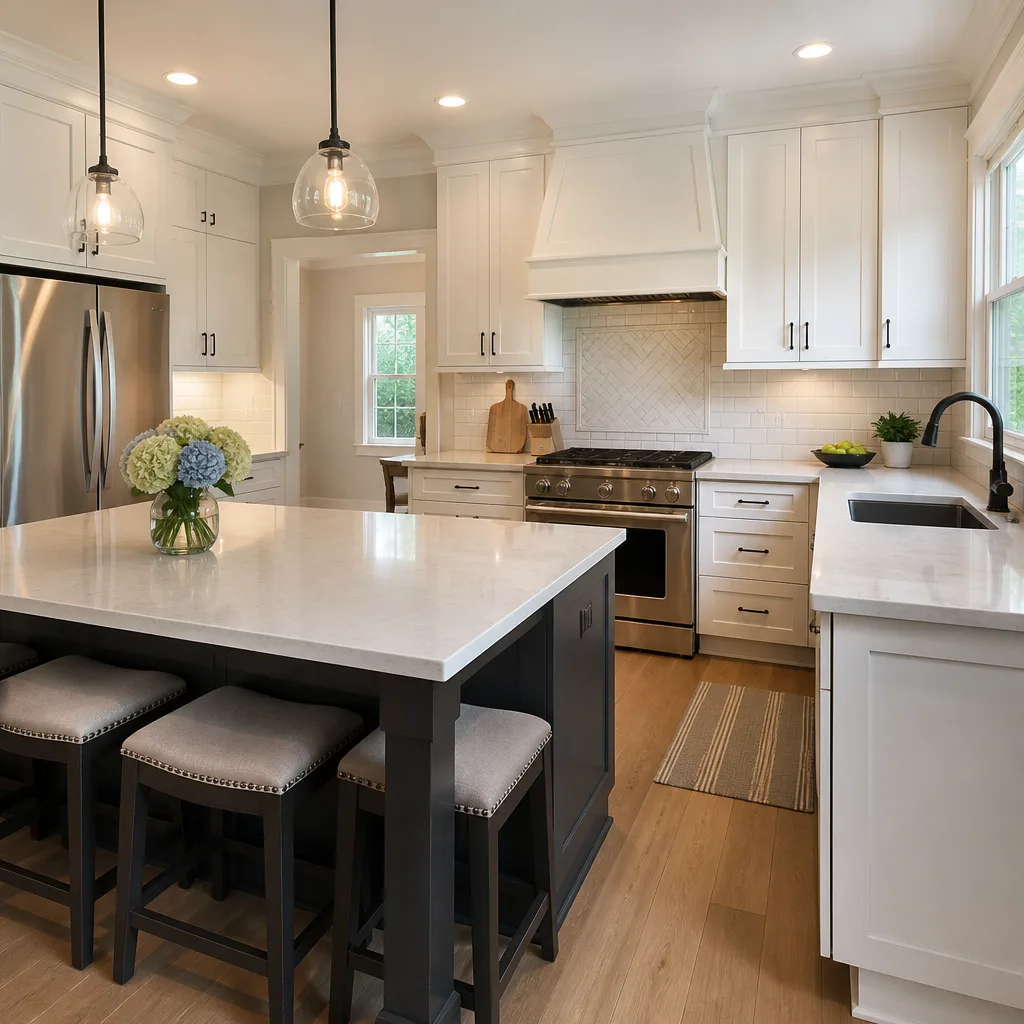

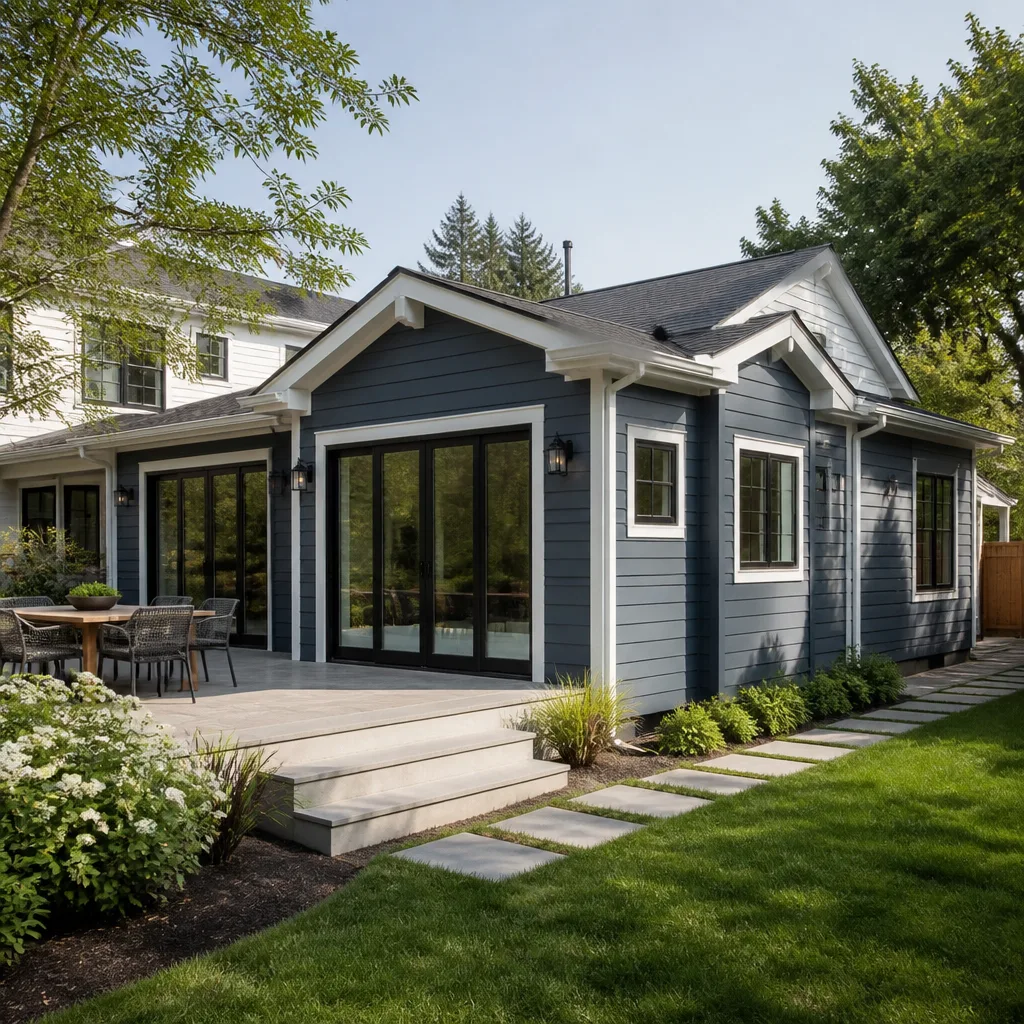

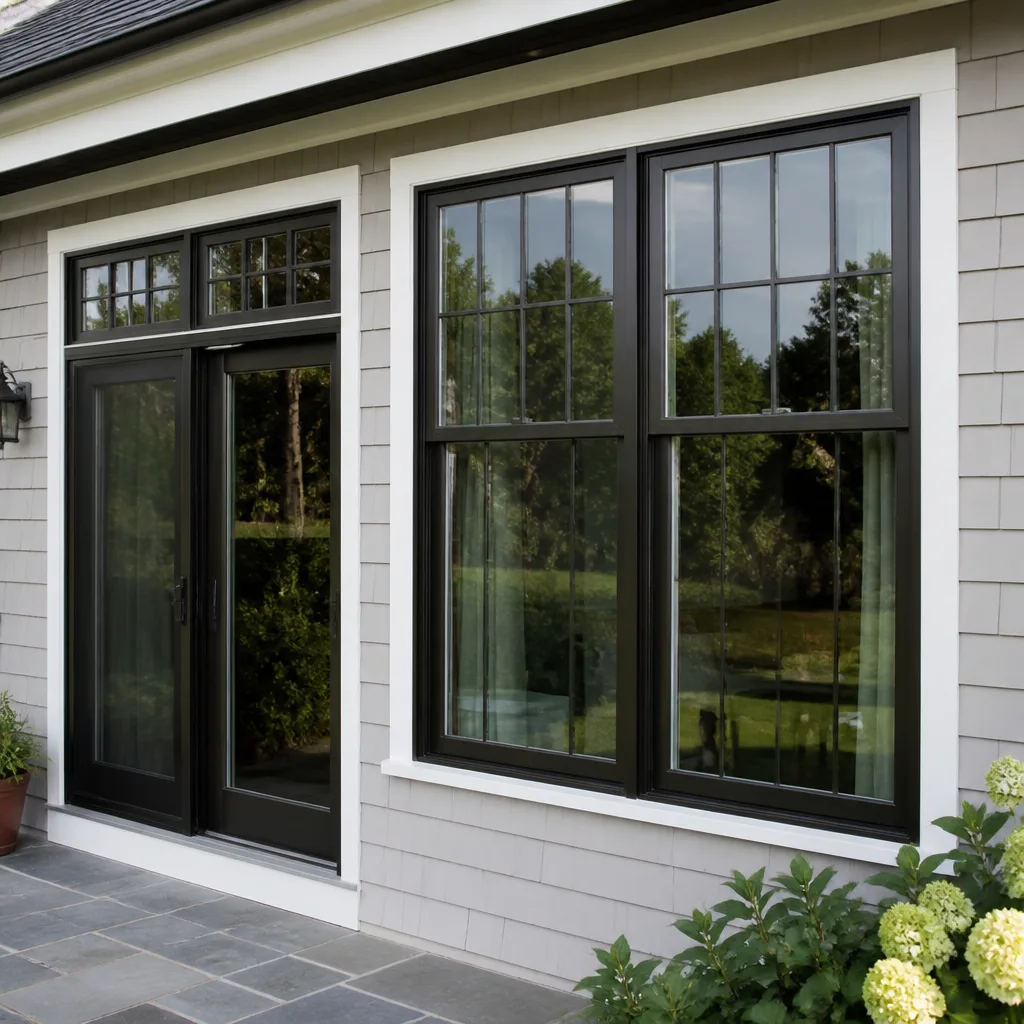

 Before
 After
After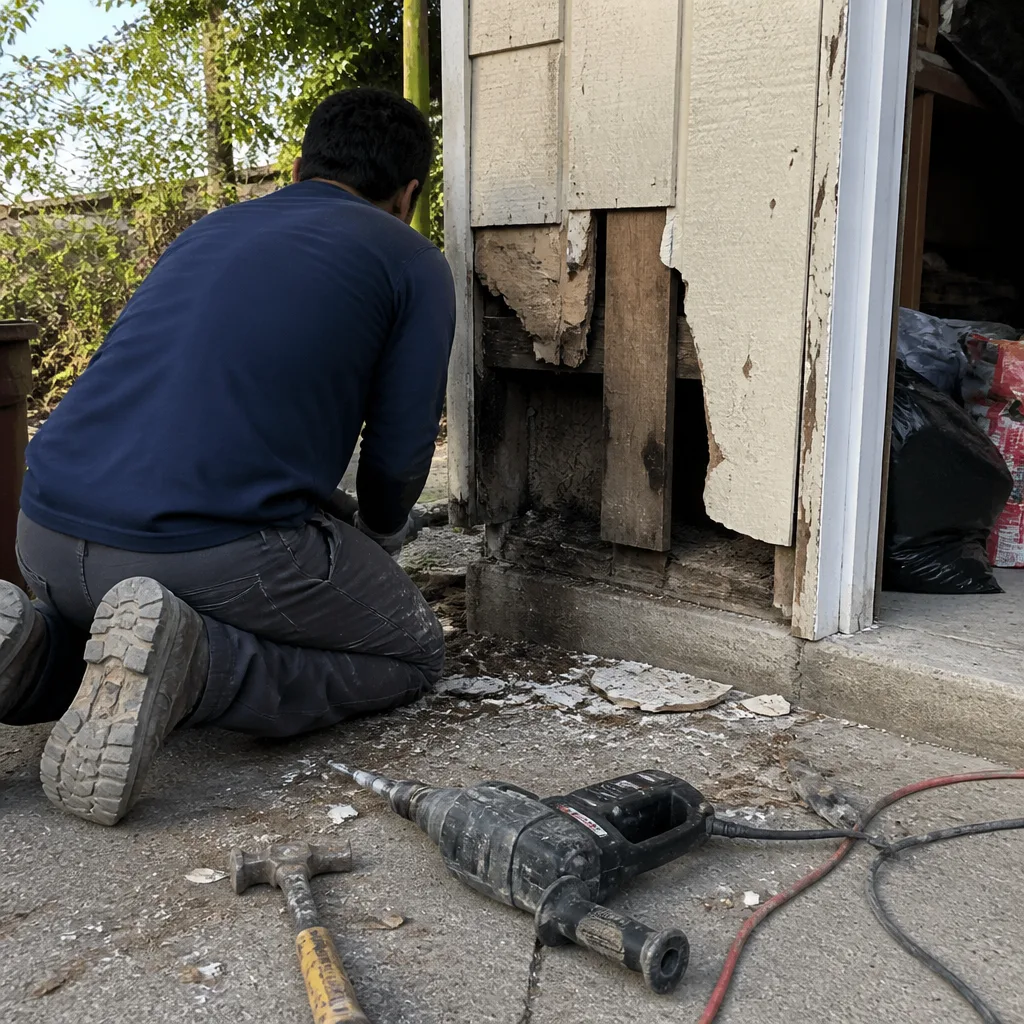 Before
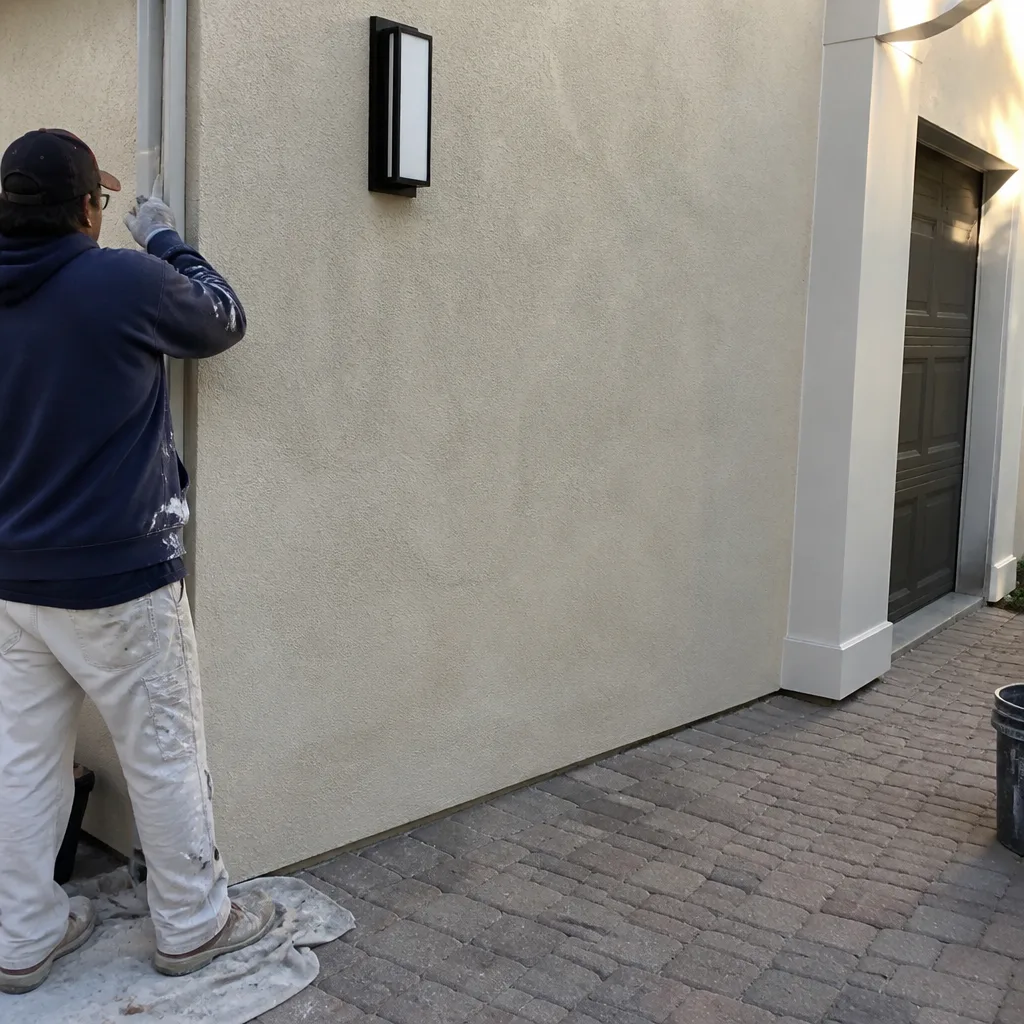 After
After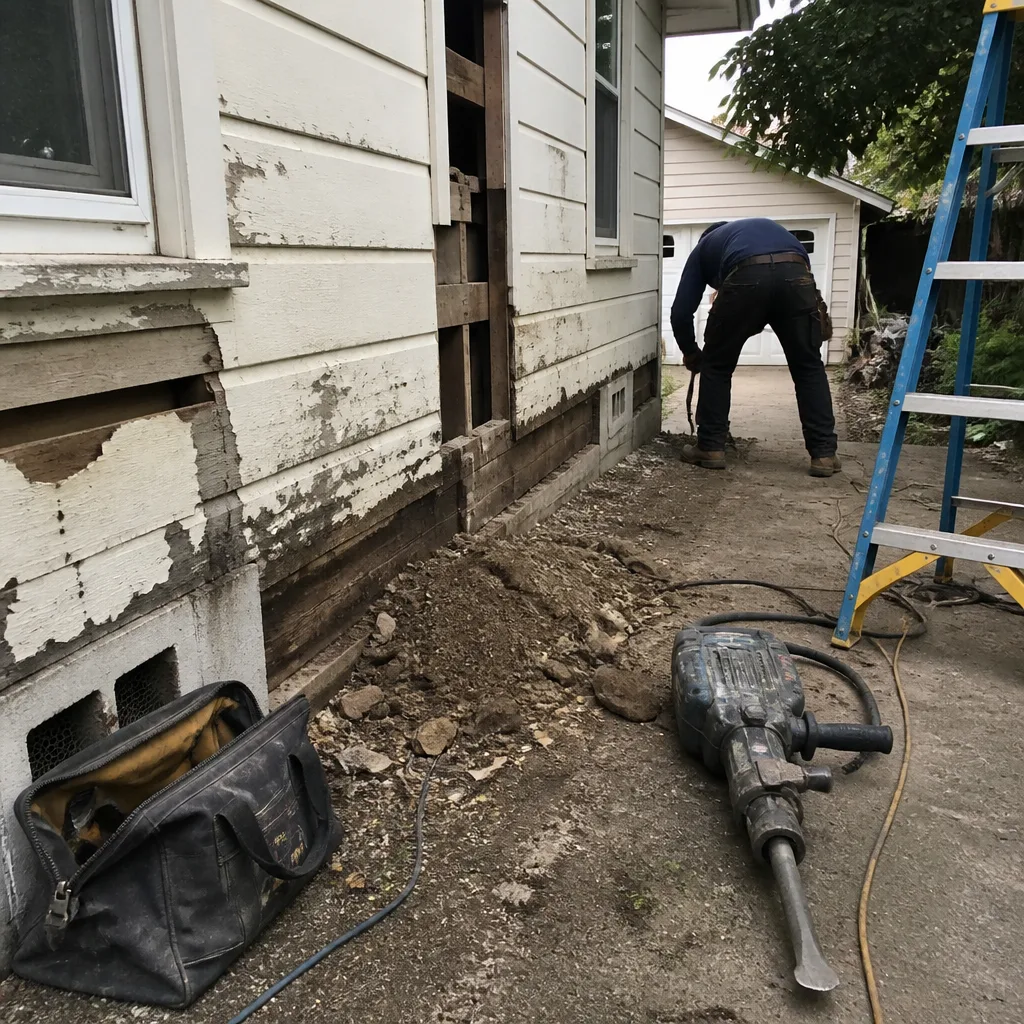 Before
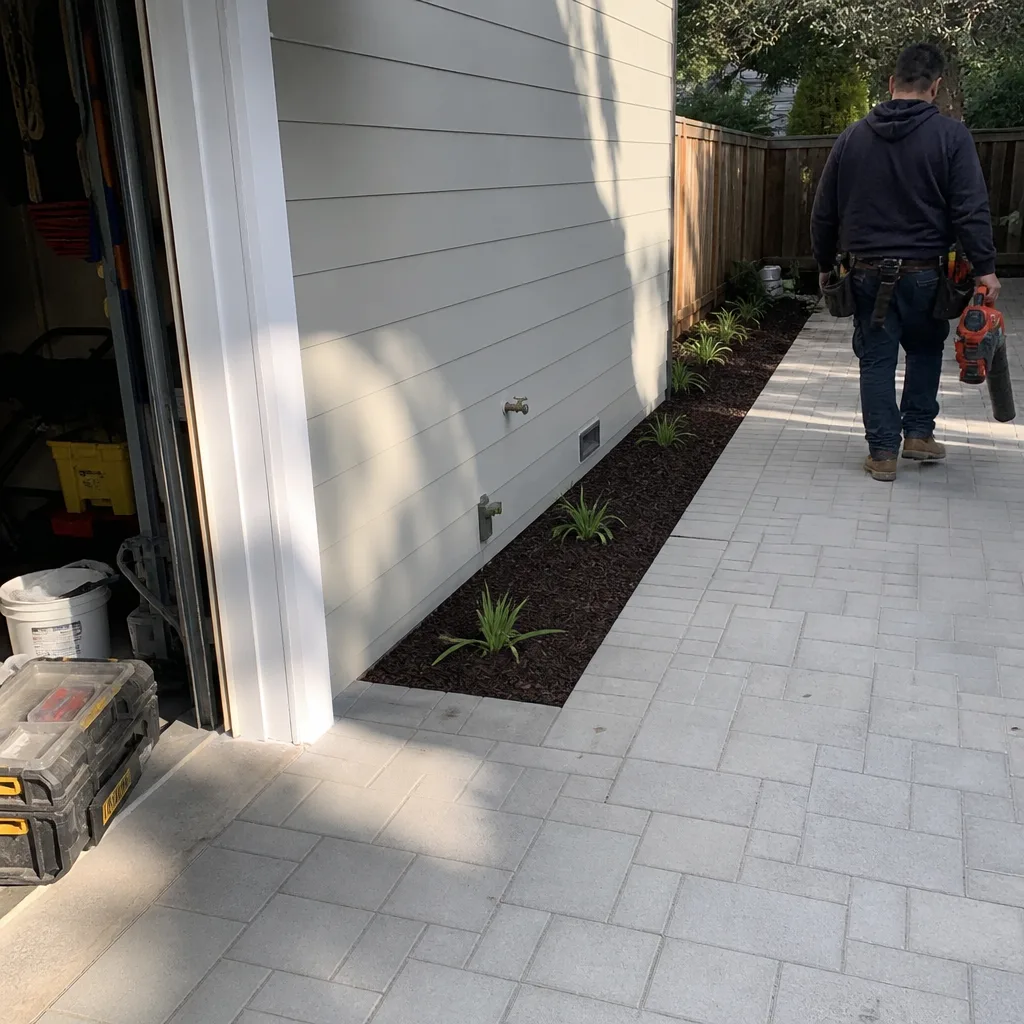 After
AfterHow to Hire a Construction Contractor in Mountain View: A Step-by-Step Guide
California’s Contractors State License Board shows that roughly 20% of consumer complaints involve contractors who were licensed at the time of hire but whose workers’ comp coverage had lapsed - a gap a standard license check won’t catch. In Mountain View, where a kitchen addition runs $90,000-$180,000 and ADU permits move through the city’s Community Development Department with specific documentation requirements, that paperwork gap can turn a managed project into a financial emergency. This guide - alongside our Complete Guide to Construction in Mountain View - walks through the exact sequence we’ve refined across 4,000-plus projects: license lookup on CSLB, certificate of insurance with correct endorsements, and a written scope that names materials by brand and grade.
Quick Answer
To hire a construction contractor in Mountain View, verify the CSLB license number and bond status online, request a certificate of insurance naming you as additional insured, and review a written bid with fixed-price line items naming specific brands and SKUs - not allowance placeholders. Never sign until permits, inspections, and change-order procedures are documented in writing.
Table of Contents
- How to Verify a Contractor’s License in California
- What a Compliant Certificate of Insurance Must Show
- How to Read a Written Bid for Completeness
- Mountain View Permits, Inspections, and Change Orders
- Red Flags in the Interview Stage
- How to Compare Multiple Bids Apples-to-Apples
- Contract Clauses That Protect Your Budget
- Common Mistakes to Avoid
- When to Call a Professional
- Frequently Asked Questions
- The Bottom Line
 Before
 After
AfterHow to Verify a Contractor’s License in California
Every legitimate contractor in Mountain View carries a CSLB license number. It should appear on their website, their truck, and every piece of correspondence. The number is not decorative - it’s the entry point to a public record that reveals more than whether they once passed an exam.
Step-by-Step CSLB Verification
- Go to cslb.ca.gov and select “Check a License.” Enter the six- or seven-digit license number. The search returns the legal business name, the classification (B-General Building, C-36 Plumbing, C-39 Roofing, etc.), and the original issue date.
- Confirm the bond amount. California requires a $25,000 contractor’s bond. The CSLB page shows the bond company and expiration date. If the bond has lapsed, the license is inactive regardless of what the contractor claims.
- Check workers’ compensation status. This is where the 20% complaint gap lives. Click through to the workers’ comp detail. If the contractor has employees - and most Mountain View remodeling crews do - the policy must be current. An exempt status means the contractor claims to have no employees; if a crew shows up, that’s a problem.
- Review disciplinary history. The CSLB lists citations, suspensions, and revocations. A single complaint resolved years ago differs from a pattern of bond claims or license suspensions.
- Match the business name to the contract. Some contractors operate under a DBA that doesn’t match their licensed entity. The contract you sign must name the license holder, or you have no CSLB recourse.
We’ve seen Mountain View homeowners - even those following our Kitchen Remodeling Maintenance Checklist for Mountain View Homeowners - skip the workers’ comp check because the license status showed green. That status reflects the bond, not the comp policy. A kitchen remodel on Dana Street last year involved a licensed contractor whose comp had lapsed two months prior; when a worker was injured, the homeowner’s umbrella policy became the primary coverage. The CSLB check takes four minutes. The Dana Street situation took eight months to resolve.
License Classifications Matter for Your Project
A B-General Building contractor can oversee a project involving multiple trades, but cannot perform specialized work - electrical, plumbing, HVAC - without the proper C-class license or a subcontractor who holds it. For a kitchen remodeling in Mountain View that moves a gas line and adds circuits, verify that either the general contractor holds the C-36 and C-10 classifications, or that named subcontractors do. The CSLB search lists all classifications held; if only B-General appears, ask who performs the regulated trades and verify those licenses separately.
What a Compliant Certificate of Insurance Must Show
A contractor who tells you “we’re fully insured” has said nothing verifiable. The certificate of insurance (COI) is a one-page document from the insurance broker that states coverage in specific dollar amounts with specific endorsements. Request it before you receive the bid, not after you’ve selected a contractor.
Required Elements on the COI
- General liability: no less than $1 million per occurrence, $2 million aggregate. Mountain View building values and Silicon Valley labor rates make lower limits inadequate. A water line break during a bathroom remodeling in Mountain View can flood a $2 million home; the contractor’s policy must cover the restoration, not just the plumbing repair.
- Additional insured endorsement naming the homeowner. Without this endorsement, the contractor’s insurer can deny your claim by arguing you were not a party to the policy. The COI should list your name and property address in the additional insured box.
- Workers’ compensation with current policy number and effective dates. Match these dates to your project timeline. A policy expiring mid-project is a flag; request confirmation of renewal.
- Auto liability if vehicles access your property. Most contractors carry this, but verify the limit - $1 million is standard for commercial auto.
- The certificate holder is you, not the contractor. The COI should be issued to your name and address, with a statement that 30-day cancellation notice will be sent to you. This prevents a contractor from letting coverage lapse without your knowledge.
We provide our COI during the first site visit, before measurements begin. Under Clause 1 of The Haven Standard, no work proceeds until documentation is complete - the license verified, the COI issued to the homeowner, and the written price delivered. This is not bureaucracy; it’s the administrative discipline that has kept our projects within a few percent of the agreed cost since 2007.
What the COI Does Not Show
The certificate is evidence of coverage, not the policy itself. It does not list exclusions, which can be significant. A contractor whose general liability excludes “residential remodeling over two stories” would not be covered for a second-story addition in Old Mountain View. If your project involves unusual scope - hillside construction, structural modification, work over $500,000 - request the declaration pages of the actual policy. Most brokers provide these within 24 hours.
How to Read a Written Bid for Completeness
The written price is the center of the transaction. Everything else - license, insurance, references - exists to make the price enforceable and the work insurable. A bid that cannot be compared line-by-line against another bid is not a bid; it’s a conversation starter.
Fixed-Price Line Items vs. Allowance Items
A fixed-price line item states: “Install 24 linear feet of KraftMaid Vantage maple cabinets, raised panel, painted white, hardware included - $8,400.” An allowance item states: “Cabinets - $8,400 allowance.” The difference is who bears the risk of price movement.
With a fixed-price item, the contractor has priced the specific product and absorbs any cost increase. With an allowance, you pay the difference if the actual selection exceeds the allowance, or receive a credit if it falls short - but credits are rare, and the allowance is often set below realistic selection points. In Mountain View’s market, where homeowners typically select mid-grade to premium materials, an $8,400 cabinet allowance often covers stock-grade product that doesn’t match the aesthetic of a 1950s Eichler or a 2015 townhouse.
We quote fixed-price line items naming brand and SKU. For a kitchen remodel on Latham Street last year, the quote specified “Cambria Brittanicca Warm quartz countertop, 3cm, eased edge, including template, fabrication, and undermount sink cutout - $6,200.” The homeowner compared this to a competitor’s “countertops - $5,800 allowance” and asked us to explain the $400 difference. The allowance bid, when actualized with the same Cambria slab, ran $7,100. The fixed price protected the budget; the allowance exposed it.
Exclusion Clauses and “Material as Specified”
Read the exclusions before the inclusions. Common exclusions that inflate final cost:
- Permit fees not included. Mountain View building permit fees run 1.5%-2% of construction value for residential work; on a $100,000 addition, that’s $1,500-$2,000 not in the bid.
- Debris hauling not included. A full kitchen demolition generates 6-8 tons of debris. Hauling in Santa Clara County runs $800-$1,200 per load.
- Utility connection fees not included. PG&E meter upgrades for ADU electrical service can exceed $3,000.
- “Material as specified” without specification. This phrase allows the contractor to substitute any product that meets code minimum. Your quote for “tile as specified” becomes 79-cent ceramic when you expected $8 porcelain. The fix: every material named by brand, collection, and SKU.
The Complete Bid Checklist
- License number and classification stated on page one
- Start and completion dates, with liquidated damages clause
- Payment schedule tied to inspection milestones, not calendar dates
- Every material named by brand and grade, or allowance clearly labeled with selection deadline
- Permit fees, inspection fees, and debris hauling included or explicitly excluded with estimated cost
- Change order procedure described: written, signed, priced, before work resumes
- Warranty terms: duration, coverage, transferability
Mountain View Permits, Inspections, and Change Orders
Mountain View’s Community Development Department processes permits through an online portal with specific documentation requirements, as detailed in our Seasonal Construction Care for Mountain View: Year-Round Homeowner’s Guide. The contractor’s familiarity with this system affects timeline more than most homeowners expect.
Who Pulls the Permit
California law permits either the homeowner or the contractor to pull the permit. If the contractor pulls it, they are the “responsible party” and must sign all documentation; this is standard and preferred. If you pull the permit as an owner-builder, you assume liability for code compliance and cannot delegate that liability to the contractor. For a roofing project in Mountain View, where Santa Clara County’s wind exposure requirements affect fastening patterns, the contractor should pull the permit - they know the nailing schedule the inspector will check.
Ask specifically: “Will you pull the permit, and is the permit fee included in your bid?” A contractor who asks you to pull it may be avoiding responsibility or may lack the license classification required for the work scope.
Who Attends the Inspection
Mountain View requires the contractor or their designated representative present for all inspections. The homeowner need not attend, but should receive inspection results within 24 hours. We include the documented photo record with every inspection report - the inspector’s sign-off sheet, photos of the approved work, and any corrections required. This becomes part of the project file the homeowner receives at completion.
Inspection scheduling in Mountain View typically runs 3-5 business days for non-emergency work. A contractor who claims “next-day inspection” is either misleading you or has a relationship with the city that doesn’t exist; the online system assigns dates algorithmically. Build 7-10 days of inspection scheduling into your timeline for a project with three inspection points (rough electrical, rough plumbing, final).
Change Orders: The Budget Protection Clause
Every project encounters conditions not visible at bid. The subfloor under a 1960s bathroom is often particleboard that won’t support tile; the scope must change. The discipline is in the documentation, not the discovery.
Under The Haven Standard, no work proceeds on a change until the change order is signed. The change order names the new scope, the new price, the effect on completion date, and is signed by both parties. This is Clause 4 of our standard contract, and it’s the reason our projects finish within a few percent of the agreed number. A contractor who says “we’ll sort it out at the end” is describing a $15,000-$30,000 surprise.
Mountain View’s older neighborhoods - Old Mountain View, Monta Loma, the Eichler tracts along Fairmont and Easy Street - contain conditions that don’t appear in a visual inspection. Post-tension slabs, unpermitted prior work, galvanized plumbing near end of life. A contractor bidding these areas should include exploratory provisions: “If substrate condition requires replacement beyond visual assessment, change order per Clause 4.” If your bid lacks this language, the contractor hasn’t priced the risk or hasn’t worked in Mountain View’s housing stock.
Red Flags in the Interview Stage
The interview reveals process discipline before work begins. These four behaviors predict problems that appear later in cost overruns, timeline delays, or quality disputes.
Reluctance to Name Subcontractors
A general contractor who won’t name their electrician, plumber, or HVAC subcontractor may be using unlicensed day labor, may not have established relationships, or may be marking up subcontractor bids opaquely. Ask: “Who will perform the electrical work, and can I verify their CSLB license?” A legitimate answer names the subcontractor and provides their license number. An evasive answer - “we have a team,” “it depends on scheduling” - is a signal to verify further.
We name our subcontractors in the written scope. For a home addition on Sierra Vista last year, the bid listed “Electrical: Sierra Electric, CSLB #XXXXXX” with their license verified and their COI on file. The homeowner called Sierra Electric directly to confirm the relationship. That’s due diligence we encourage.
Verbal-Only Pricing
“I’ll have a number for you tomorrow” that arrives in a text message is not a written price. A bid delivered verbally, or in an email without line-item breakdown, cannot be compared to competing bids and cannot be enforced if disputed. Under Clause 1 of The Haven Standard, the written price is delivered before any work starts, every time, on every trade. A contractor who won’t put numbers on paper won’t put accountability in the contract.
Bids That Omit Debris Hauling and Permit Fees
These are not incidental costs. Mountain View’s building department charges permit fees based on valuation; debris hauling in Santa Clara County requires disposal at certified facilities with weight tickets. A bid that omits both is either underpriced by $3,000-$5,000 or plans to surprise you with them later. Ask directly: “Is debris hauling to a certified facility included, and do I receive the weight ticket?” and “Is the Mountain View permit fee included, and what is the estimated amount?”
Pressure to Sign Before You’re Ready
Legitimate contractors in Mountain View do not have “this week only” pricing. Material costs fluctuate monthly, not hourly; a bid valid for 30 days is standard. Pressure to sign immediately - “I need to lock in my crew” - suggests the contractor’s schedule instability, not your urgency. Our bids carry 30-day validity with a written renewal procedure if market conditions change.
How to Compare Multiple Bids Apples-to-Apples
Three bids for the same project often appear incomparable because each contractor organizes information differently. The solution is a comparison matrix you build, not a spreadsheet the contractor provides.
Build Your Own Line-Item Matrix
Create rows for every scope element: demolition, framing, electrical, plumbing, HVAC, insulation, drywall, flooring, cabinetry, countertops, fixtures, painting, cleanup. Add columns for each contractor. Fill in the prices from each bid for each row. If a bid lacks a row - “painting not included” - note it and add a placeholder cost from a separate painting estimate.
This reveals the true spread. We’ve seen a $78,000 bid and a $92,000 bid for the same Mountain View kitchen where the $78,000 bid excluded electrical panel upgrade, permit fees, and debris hauling. Actualized, the “lower” bid ran $94,000. The matrix exposes this in ten minutes of reading.
Normalize for Material Quality
Two bids both say “granite countertops.” One means Level 1 Ubatuba at $35/square foot; the other means Level 4 Blue Pearl at $85/square foot. The bids are not comparable until you specify the material. Request that each contractor price the same specification, or price the upgrade path: “What is the adder for Cambria quartz vs. your base granite?” This is where our sourcing depth across fifty-plus vetted brands provides honest numbers rather than inflated ones - we can price KraftMaid against Wellborn, Cambria against Caesarstone, with actual distributor costs, not placeholder allowances.
Check the Payment Schedule
California limits upfront payment on home improvement contracts to $1,000 or 10% of contract price, whichever is less. A contractor requesting 50% deposit is violating state law and likely has cash flow problems. Standard schedules run: 10% at signing, 25% at rough inspection, 25% at drywall, 35% at final inspection, 5% retention at 30-day punch list completion. Compare schedules across bids; a front-loaded payment schedule is a risk indicator regardless of total price.
Contract Clauses That Protect Your Budget
The contract is the bid made enforceable. Specific clauses separate professional documentation from handshake agreements.
The Written Scope as Exhibit A
The bid becomes Exhibit A to the contract, incorporated by reference. Any discrepancy between bid and contract defaults to the contract; ensure they match exactly. We attach our line-item bid as Exhibit A, with a clause stating “In case of conflict, the line-item specification controls over general description.”
Change Order Protocol
The contract must state: no change proceeds without written authorization. Not email. Not text. A signed change order with price and timeline impact. This protects both parties; we’ve had homeowners request “just one more thing” mid-project, and the signed change order ensures they understand the cost before we allocate crew time.
Liquidated Damages
A per-day amount for late completion, capped at a percentage of contract value. This must be reasonable - $150-$300/day for a kitchen remodel - or courts won’t enforce it. The clause should exclude delays caused by homeowner decisions, permit delays, or force majeure. Mountain View’s permit timeline is largely predictable, but weather-related delays on exterior work (roofing, additions) should be excluded.
Mechanics’ Lien Protection
California’s mechanics’ lien laws allow subcontractors and suppliers to lien your property if the general contractor doesn’t pay them, even if you paid the general in full. The contract should require lien releases from all subcontractors and suppliers at each payment milestone. We provide notarized conditional lien releases with every payment request, becoming unconditional upon payment clearance. This is standard documentation, not an upgrade.
Warranty Terms
Our 365-Day Done Right Promise is printed on every page and backed by a terms page, not an asterisk. The contract specifies: what is covered (workmanship defects), what is not (normal wear, homeowner modification, product defects covered by manufacturer), the procedure for claim (written notice, inspection, repair within 30 days), and the duration (365 days from substantial completion). A warranty that reads “we stand behind our work” without these specifics is not a warranty; it’s marketing.
Common Mistakes to Avoid
- Verifying only the license number, not the bond and workers’ comp. The CSLB homepage shows license status; the detail pages show the coverage gaps that generate complaints. Spend the extra two minutes.
- Accepting “fully insured” without requesting the COI. This is like accepting “licensed” without checking the number. The certificate takes 24 hours to produce; a contractor who can’t provide it within that timeframe may not have current coverage.
- Comparing bids with different material specifications. The lowest bid often specifies the lowest grade. Normalize to common specifications before comparing prices, or the comparison is meaningless.
- Signing without a written change order procedure. Mountain View projects encounter hidden conditions in older homes. Without documented change protocol, every discovery becomes a negotiation under pressure.
- Paying ahead of the payment schedule. A contractor who requests early payment to “order materials” is describing their cash flow problem, not your project needs. Materials for standard kitchen and bath work are available within 48 hours from Mountain View suppliers; long-lead items (custom cabinets, some windows) are ordered with deposits protected by the standard payment schedule.
- Not verifying permit status during the project. Mountain View’s online permit portal allows homeowners to check inspection status. A contractor who says “permit’s fine” but the portal shows no inspection scheduled is either misinformed or misleading you.
- Skipping the final walkthrough and punch list. The final payment retention exists for this purpose. Document every incomplete item with photos, agree on completion date, and release retention only after verification. We schedule the final walkthrough with the project manager, the homeowner, and the photo record displayed on a tablet - every documented item reviewed against the completed work.
When to Call a Professional
Some project signals indicate you need a licensed contractor rather than handyman services or DIY: structural modification (removing walls, adding beams), any work requiring a permit (kitchen relocation, bathroom expansion, ADU construction), roofing replacement or structural repair, electrical panel upgrades or circuit additions, and plumbing relocation or fixture changes affecting supply lines. Mountain View’s housing stock includes Eichlers with radiant heating slabs, post-tension foundations, and unpermitted additions from prior decades - conditions that reward experienced assessment before work begins.
Rowan Construction Group Mountain View offers free estimates in Mountain View - call (669) 215-4852 - and publishes more guides & resources for homeowners planning construction projects. We also provide a Free Second Opinion on any written estimate: bring a competitor’s quote and we’ll review it line by line at no charge. Every estimate includes a written price, a written scope, and a documented photo record of existing conditions. Under The Haven Standard, the documentation is the promise.
Frequently Asked Questions
Kitchen remodeling in Mountain View typically runs $75,000-$150,000 for a full renovation with mid-grade finishes; bathroom remodeling ranges $35,000-$75,000; a home addition or ADU starts around $350 per square foot and can exceed $500 per square foot with high-end finishes or complex foundation work. Call (669) 215-4852 for an exact quote - estimates are free.
Visit cslb.ca.gov, select “Check a License,” and enter the six- or seven-digit license number. Verify the bond amount ($25,000 minimum), workers’ compensation status, and any disciplinary history. Match the licensed business name to the contract you plan to sign.
General liability of at least $1 million per occurrence with you named as additional insured, current workers’ compensation if they have employees, and commercial auto liability. Request a certificate of insurance issued to your name and address with 30-day cancellation notice.
With a fixed-price contract and signed change order protocol, the price changes only when both parties agree to a documented scope change. Under The Haven Standard, no work proceeds on a change until the change order is signed - this discipline has kept our projects within a few percent of the agreed cost across 4,000-plus jobs.
We pull the permits as the responsible party on every project. The permit fee is included in our written quote, and we attend all inspections with documentation provided to you within 24 hours. This is standard, not optional.
A full kitchen remodel with permit requirements and three inspection points typically takes 8-12 weeks from demolition to final walkthrough, depending on material lead times and inspection scheduling. Mountain View’s Community Development Department generally schedules inspections within 3-5 business days.
California law limits upfront payment to $1,000 or 10% of contract price, whichever is less. A larger request is a violation and a red flag for cash flow problems. The standard schedule ties payments to inspection milestones, not calendar dates.
The Bottom Line
Hiring a construction contractor in Mountain View is a document-verification exercise before it’s anything else. The CSLB license check, the certificate of insurance with correct endorsements, and the written scope naming materials by brand and SKU - these three documents separate projects that close on budget from projects that run 30% over with no clear accountability. Build your comparison matrix, normalize for material quality, verify permit and inspection procedures, and never sign without a written change order protocol. The contractors who welcome this scrutiny are the ones who’ve built systems to support it.
Written by Grant Rowan, Owner at Rowan Construction Group Mountain View, serving Mountain View since 2007.