
Last updated September 25, 2026
Free written scope consultation - allowances, timeline, and change-order rules on paper before a single trade is scheduled

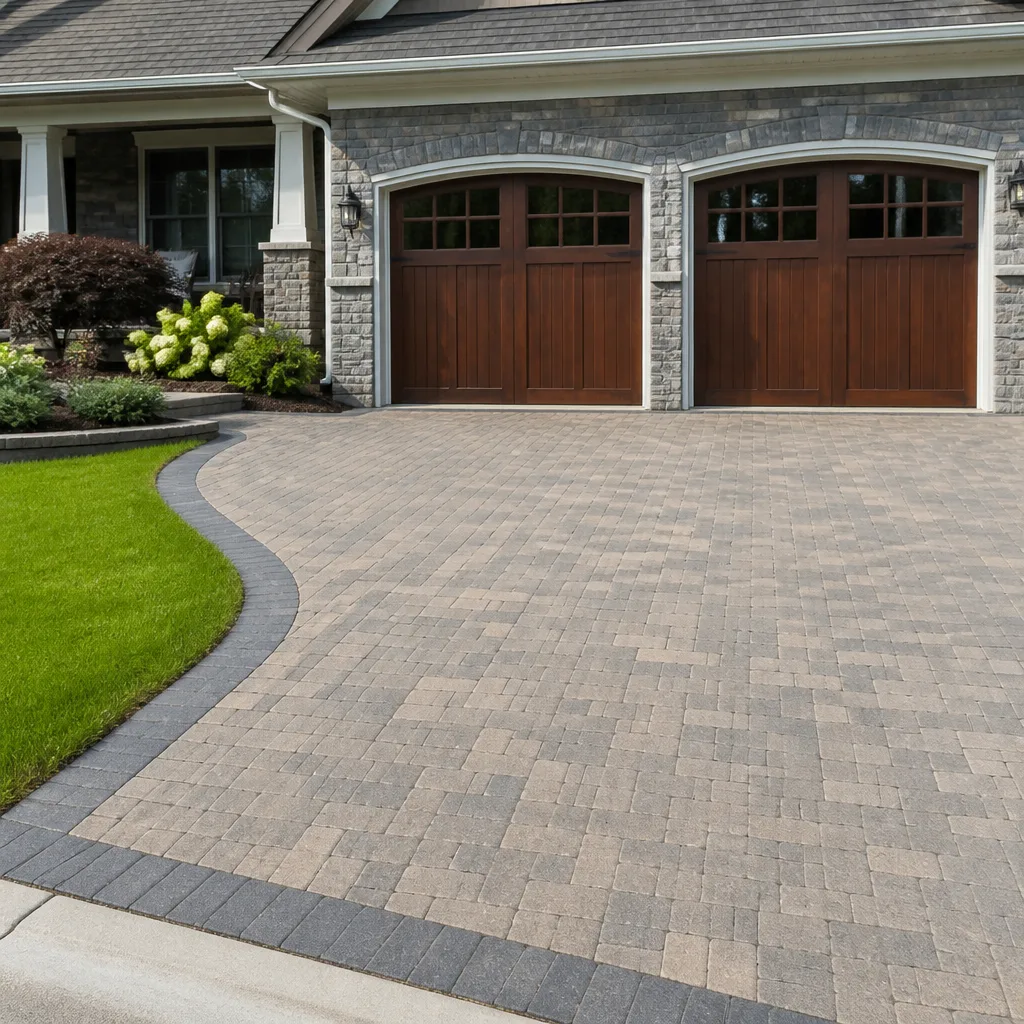
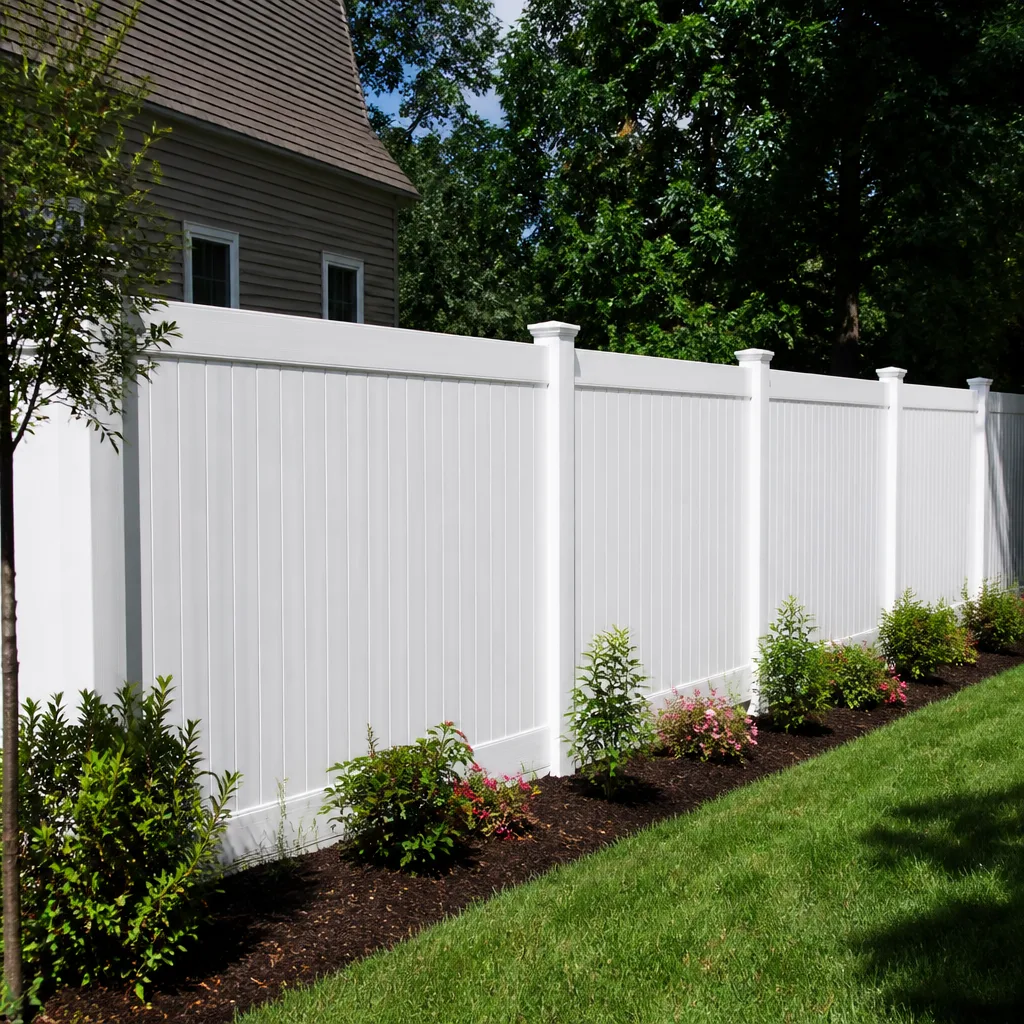
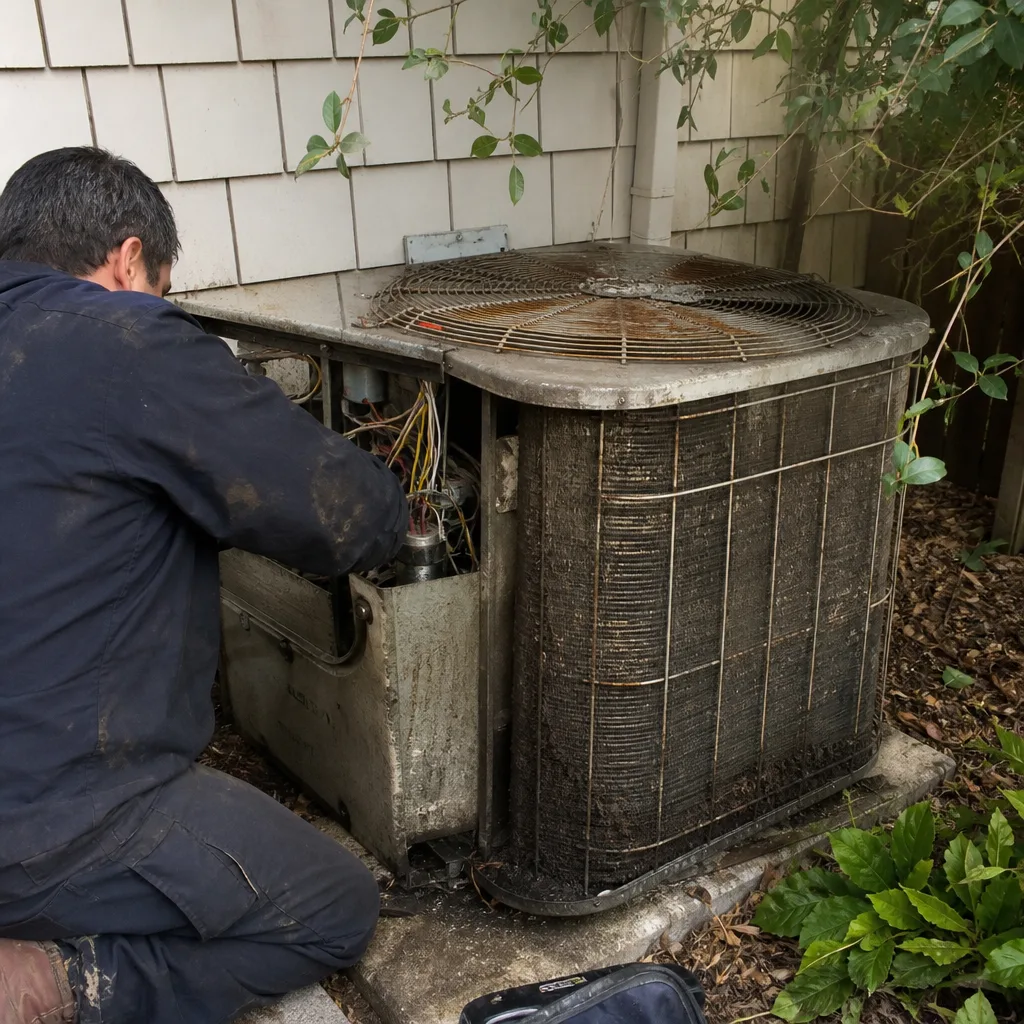 Before
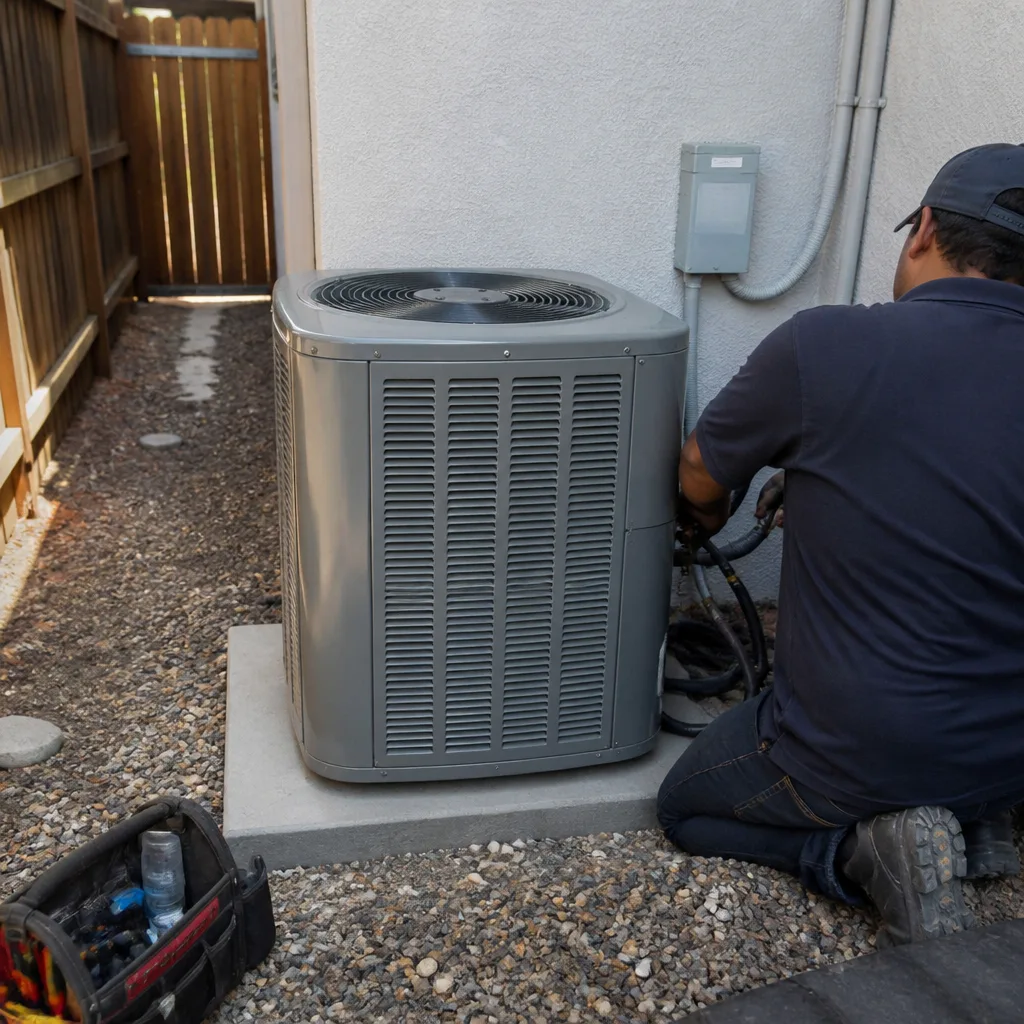 After
After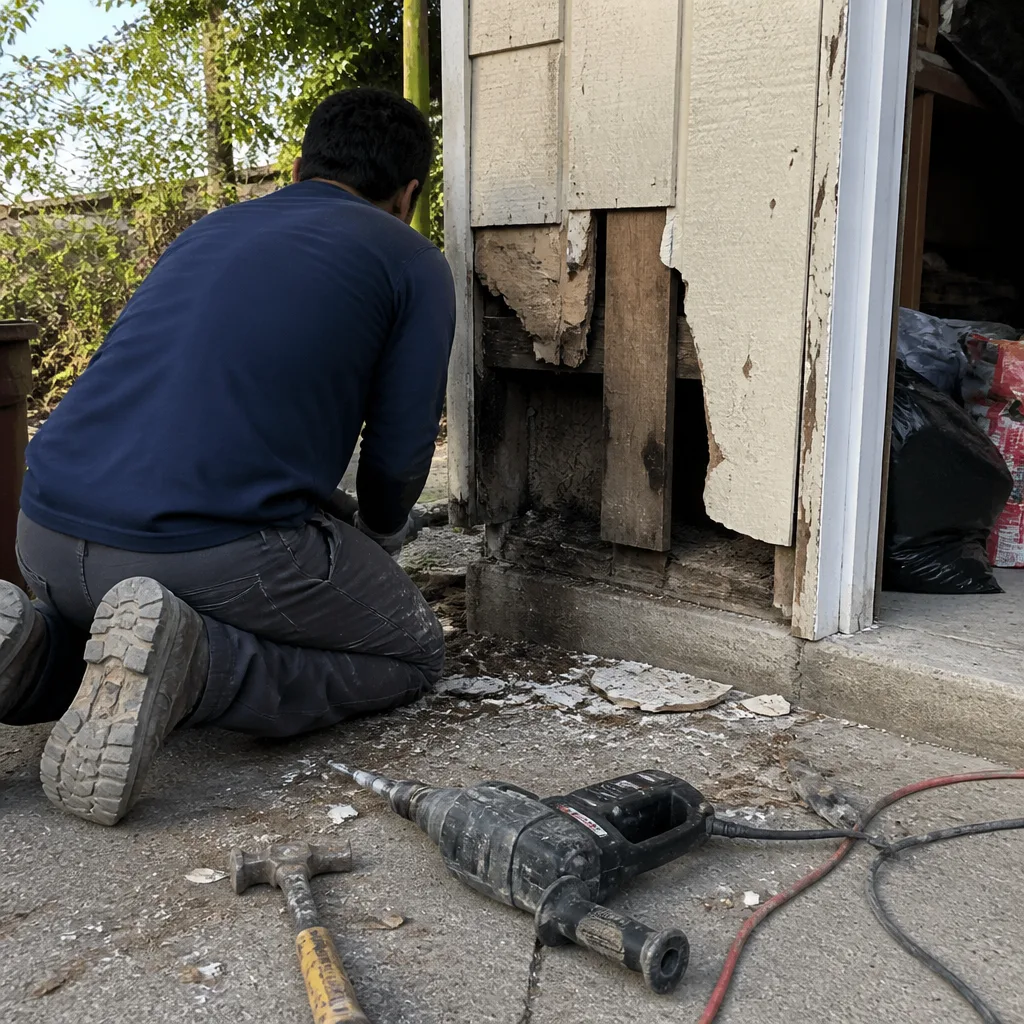 Before
 After
After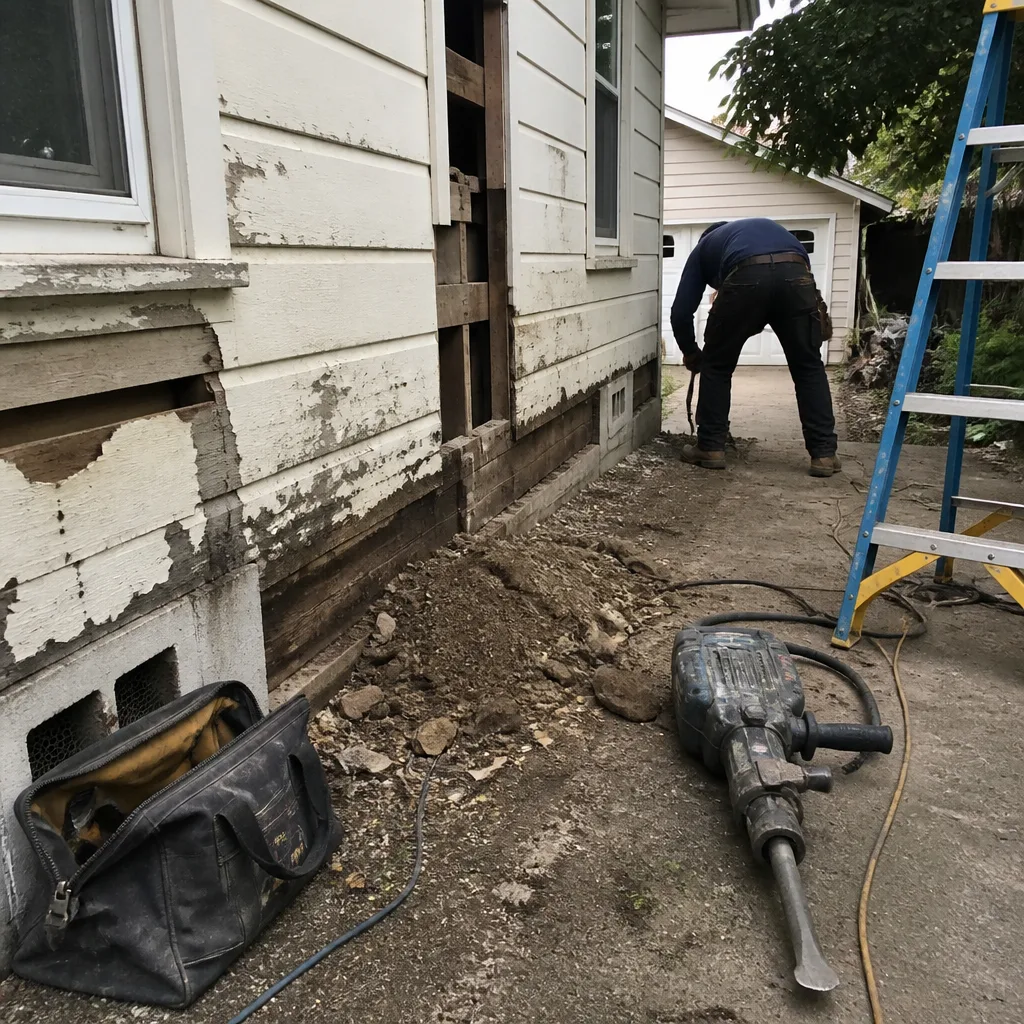 Before
 After
AfterDIY vs Professional Construction: The Mountain View Homeowner’s Decision Guide
A homeowner in California can legally pull an owner-builder permit and self-perform most construction trades on their primary residence. But if the home is sold within five years, California law presumes the owner-builder is a contractor and shifts full liability for defects to the seller. In Mountain View, where median home values sit well above $2 million and buyers commission thorough pre-sale inspections, that liability clause turns a weekend project into a six-figure resale risk. This guide draws the legal and financial line between DIY that genuinely saves money and DIY that creates hidden costs, with specific attention to Mountain View’s inspection standards, permit timelines, and the hybrid approach that smart homeowners use.
Quick Answer
DIY construction in Mountain View makes financial sense only for permit-exempt work like interior painting, finish hardware, and landscaping, or for skilled homeowners who can dedicate 200+ hours and own $600-$900 in trade-specific tools. For permitted work involving electrical, plumbing, structural, or energy-code compliance, the cost of permit authority, inspection failure risk, and five-year resale liability under California Business and Professions Code Section 7044 typically eliminates DIY savings. Most Mountain View homeowners minimize cost by handling demolition and finishing themselves while hiring a licensed contractor in Mountain View for the permitted core.
Table of Contents
- California Owner-Builder Rules: What the Law Actually Says
- The True Cost of DIY: Tools, Time, and Failure Risk
- Mountain View Inspections Most Likely to Fail DIY Work
- Projects Where DIY Genuinely Works
- The Hybrid Model: Smart Savings Without Liability
- Documenting DIY Work for Resale and Insurance
- Common Mistakes to Avoid
- When to Call a Professional
- Frequently Asked Questions
 Before
 After
AfterCalifornia Owner-Builder Rules: What the Law Actually Says
California Business and Professions Code Section 7044 allows a homeowner to act as their own contractor on their primary residence, provided they obtain the proper permits and perform the work themselves or with immediate family members. The permit costs the same whether pulled by a homeowner or a licensed contractor. The difference surfaces at resale.
Under Section 7044(b), if an owner-builder sells the home within five years of completing the work, the law presumes the owner was acting as a contractor. That presumption shifts liability for construction defects to the seller, bypassing the normal statute-of-limitations protections. Title insurers in Santa Clara County flag owner-builder permits during escrow, and buyers’ agents in Mountain View routinely request copies of all permits and final inspection sign-offs. A kitchen remodel in Old Mountain View or a bathroom update in Monta Loma that lacks documented, passed inspections becomes a negotiating point, not a selling feature.
The five-year clock runs from the date of final inspection, not the date of permit issuance. A homeowner who pulls an owner-builder permit in January 2024, finishes work in June 2024, and sells in July 2029 faces no presumption. Sell in May 2029, and the presumption applies. This timing matters in Mountain View’s market, where job transfers and equity events drive relatively frequent moves compared to national averages.
Owner-builder permits also require the homeowner to carry workers’ compensation insurance for anyone they hire, including day laborers. Homeowners’ insurance policies typically exclude construction-related injuries. A worker injured on a DIY project in Mountain View can file against the homeowner’s personal assets directly, with no contractor’s insurance policy to absorb the claim.
The practical effect: owner-builder permits are legally available but financially dangerous for work that touches structure, electrical, plumbing, or energy compliance. The savings from avoiding contractor markup, typically 15-25 percent on labor, evaporate when a single defect claim or failed resale negotiation surfaces.
The True Cost of DIY: Tools, Time, and Failure Risk
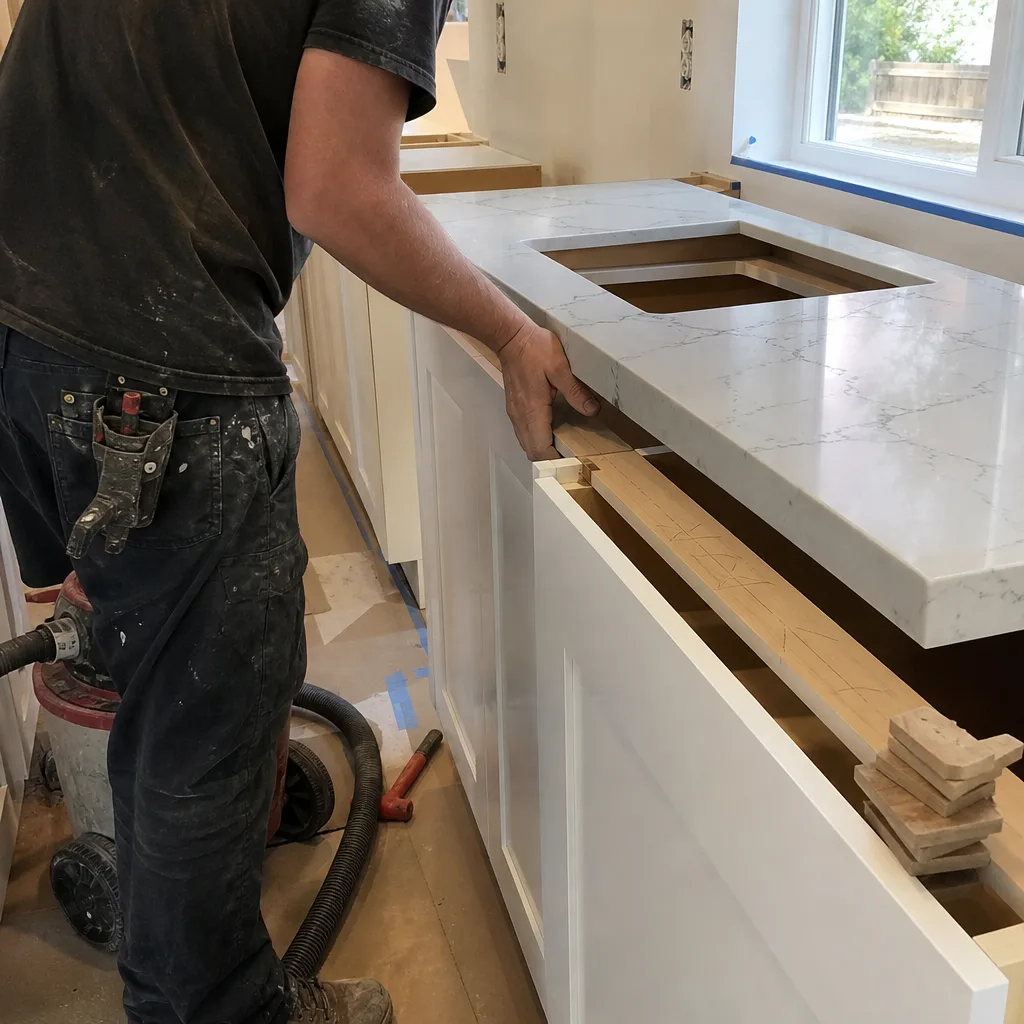
DIY savings calculations found online rarely account for the full cost stack. We have reviewed competitor estimates brought in for our Free Second Opinion service, and the gap between assumed DIY cost and actual DIY cost is predictable. Here is the honest accounting for common Mountain View projects.
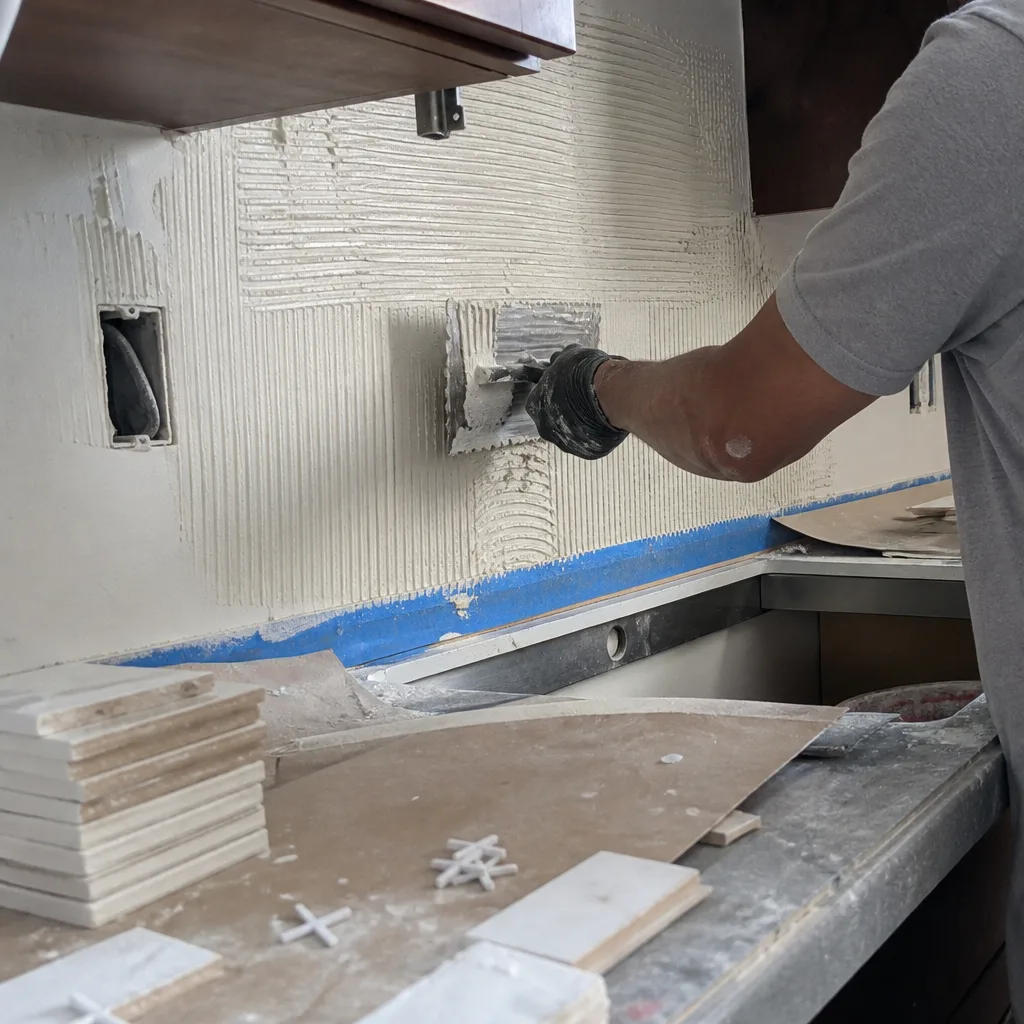
Kitchen tile backsplash: A 30-square-foot backsplash with subway tile and standard grout runs $1,800-$2,800 professionally in Mountain View, including materials and labor. DIY material cost is $400-$600. Required tools include a wet saw rental ($80/day), notched trowel ($15), mixing paddle and drill ($40-$80 if not owned), grout float ($12), spacers ($10), and caulk gun with silicone ($25). Total tool cost: $200-$400 for first-timers. Time investment: 2-3 weekends for cutting, setting, grouting, and sealing. Failure modes: lippage (uneven tile edges), inadequate waterproofing behind sink areas, and cracked grout from improper mixing ratios. Remediation by a professional typically costs 40-60 percent more than original installation because removal damages drywall.
Bathroom tile floor: A 50-square-foot bathroom floor with porcelain plank tile runs $3,500-$5,500 professionally. DIY materials: $800-$1,200. Tools: wet saw or large-format tile cutter ($200-$400 purchase or $120/week rental), leveling system ($50), mortar mixer if area exceeds 40 square feet ($150-$250), knee pads and safety gear ($40), and specialty blades ($30). Total tool cost: $600-$900. Time: 4-6 weekends including substrate prep, which in Mountain View’s older homes often reveals water-damaged subflooring from original construction. Failure modes: inadequate slope to drain in wet areas, cracked tiles from insufficient mortar coverage, and grout failure from premature foot traffic.
Interior painting: A 12×14 bedroom runs $800-$1,200 professionally. DIY materials: $200-$300. Tools: quality roller and extension pole ($40), angled brushes ($30), drop cloths ($25), painter’s tape ($15), and patching compound with knives ($20). Most Mountain View homeowners own or borrow these. Time: one long weekend. Failure modes are cosmetic and easily corrected. This is where DIY savings are real and risk is minimal.
Fence installation: A 6-foot cedar privacy fence, 80 linear feet, runs $4,500-$7,000 professionally using materials from suppliers like Master Halco or Ameristar for metal components. DIY materials: $2,000-$3,000. Tools: post-hole digger or auger rental ($60/day), level, string line, and concrete mixing tub ($80). Time: 3-4 weekends, heavily dependent on Mountain View’s clay-heavy soil in neighborhoods like Rex Manor, which requires deeper post holes and more concrete than sandy soils. Failure modes: inadequate post depth (leading to lean within two years), improper gate hardware alignment, and encroachment on utility easements that triggers city enforcement.
The pattern: projects with low tool cost, forgiving failure modes, and no permit requirement reward DIY. Projects requiring specialized tools over $400, with hidden-substrate risk, or with code-compliance layers do not.
Mountain View Inspections Most Likely to Fail DIY Work
Mountain View Building Division inspectors enforce California Building Code and local amendments with consistency that surprises homeowners accustomed to less rigorous jurisdictions. The following three inspection points generate the highest DIY failure rates in our experience reviewing remedial work.
1. Electrical rough-in and arc-fault circuit interrupter (AFCI) compliance
California requires AFCI protection on nearly all residential circuits under the 2022 code cycle. AFCI breakers detect arc faults that standard breakers miss, but they also trip on common DIY wiring errors: shared neutrals, improper grounding, and reversed polarity. A homeowner replacing a bathroom vanity light or adding a kitchen pendant may extend an existing circuit without realizing the breaker must be upgraded to AFCI; consult our kitchen remodeling maintenance checklist for long-term upkeep after any electrical work. The rough-in inspection fails, the drywall cannot close, and the project stalls. Mountain View inspectors test every outlet with a circuit analyzer, not a visual check.
2. Title 24 energy compliance and insulation details
Mountain View falls in Climate Zone 4, requiring specific R-values and continuous insulation details at rim joists and wall transitions. DIY bathroom or kitchen remodels often disturb existing insulation without documenting the replacement plan. Inspectors verify insulation grade, installation depth, and vapor barrier placement. A homeowner who removes drywall to reroute plumbing and replaces it without upgrading insulation to current R-21 wall values fails the insulation inspection. The fix requires reopening finished walls.
3. Shear wall nailing patterns and structural hardware
Mountain View’s location on the San Francisco Peninsula means seismic provisions apply to most structural modifications. Removing a wall between kitchen and living room, even a non-load-bearing partition, may disrupt the continuous load path that shear walls provide. DIY removal without engineering review and proper structural hardware installation, including hold-downs and blocking with specific nail spacing (typically 3 inches on center at panel edges), fails the framing inspection. The cost to engineer and retrofit after failure typically exceeds the original contractor quote.
Each failed inspection adds 2-4 weeks to project timeline in Mountain View’s permit queue, plus re-inspection fees. The hidden cost is not the fee itself; it is the carrying cost of a non-functional kitchen or bathroom during delay.
Projects Where DIY Genuinely Works
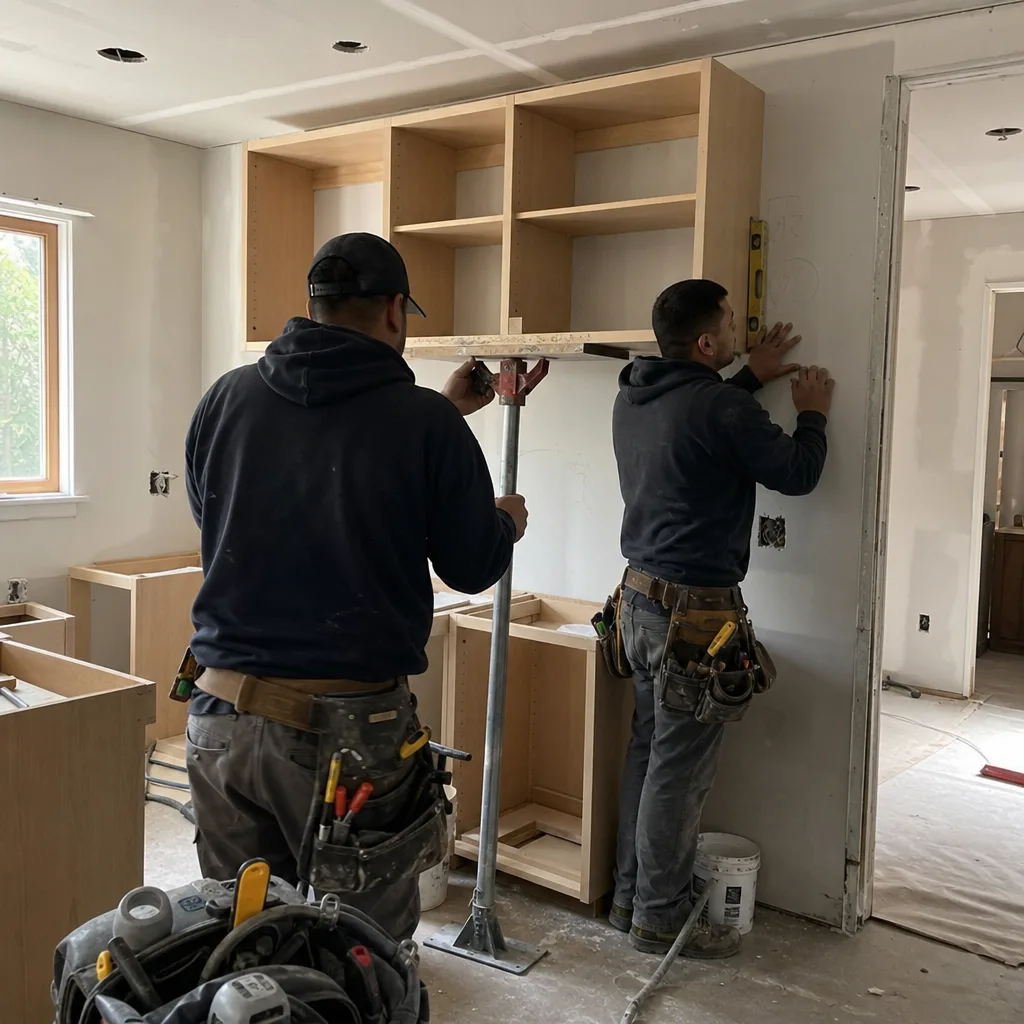
Certain construction-adjacent tasks carry no permit requirement, no inspection dependency, and limited liability exposure. These are the rational DIY zones for Mountain View homeowners.
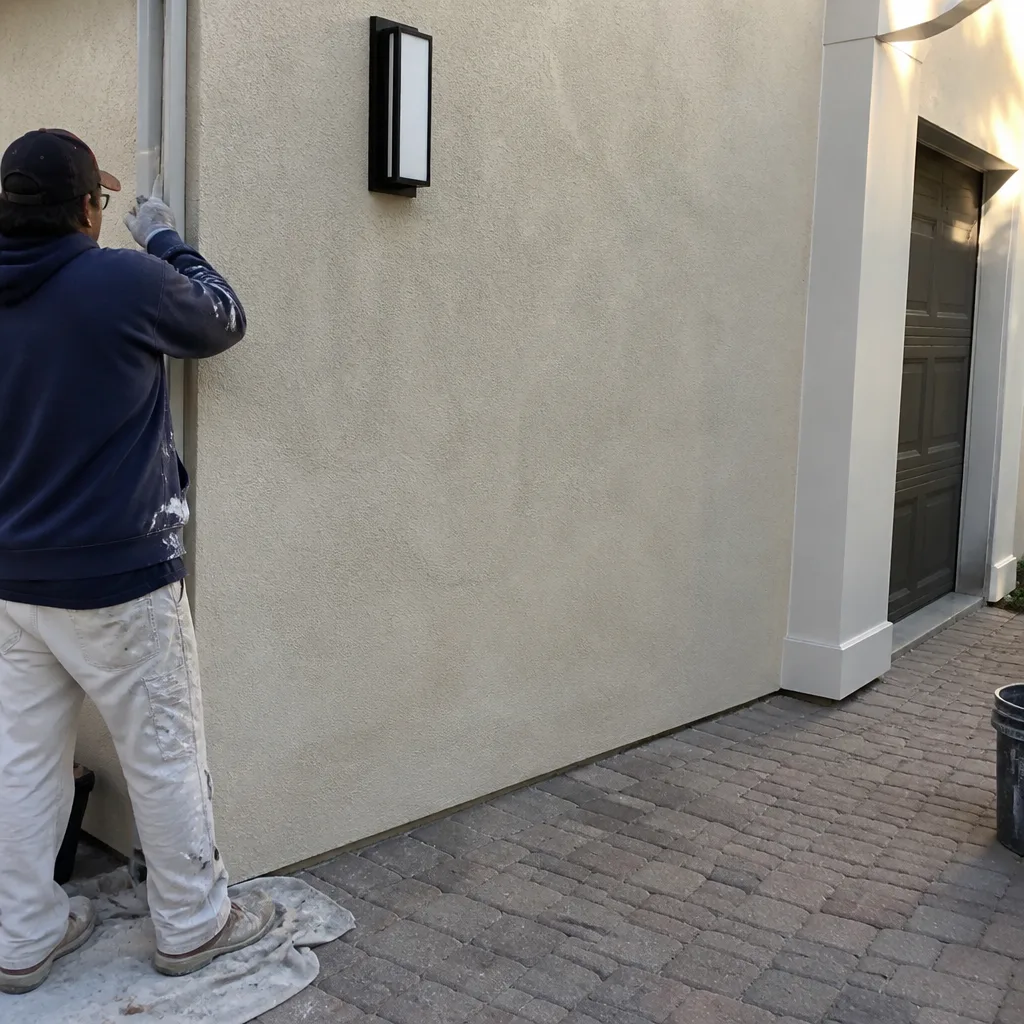
- Interior painting and decorative finishes: No permit, no inspection, failure is cosmetic and reversible. Quality depends on preparation time, not specialized knowledge.
- Finish hardware installation: Cabinet knobs, drawer pulls, towel bars, and curtain rods after professional work is complete. These attach to finished surfaces with no structural or waterproofing implications.
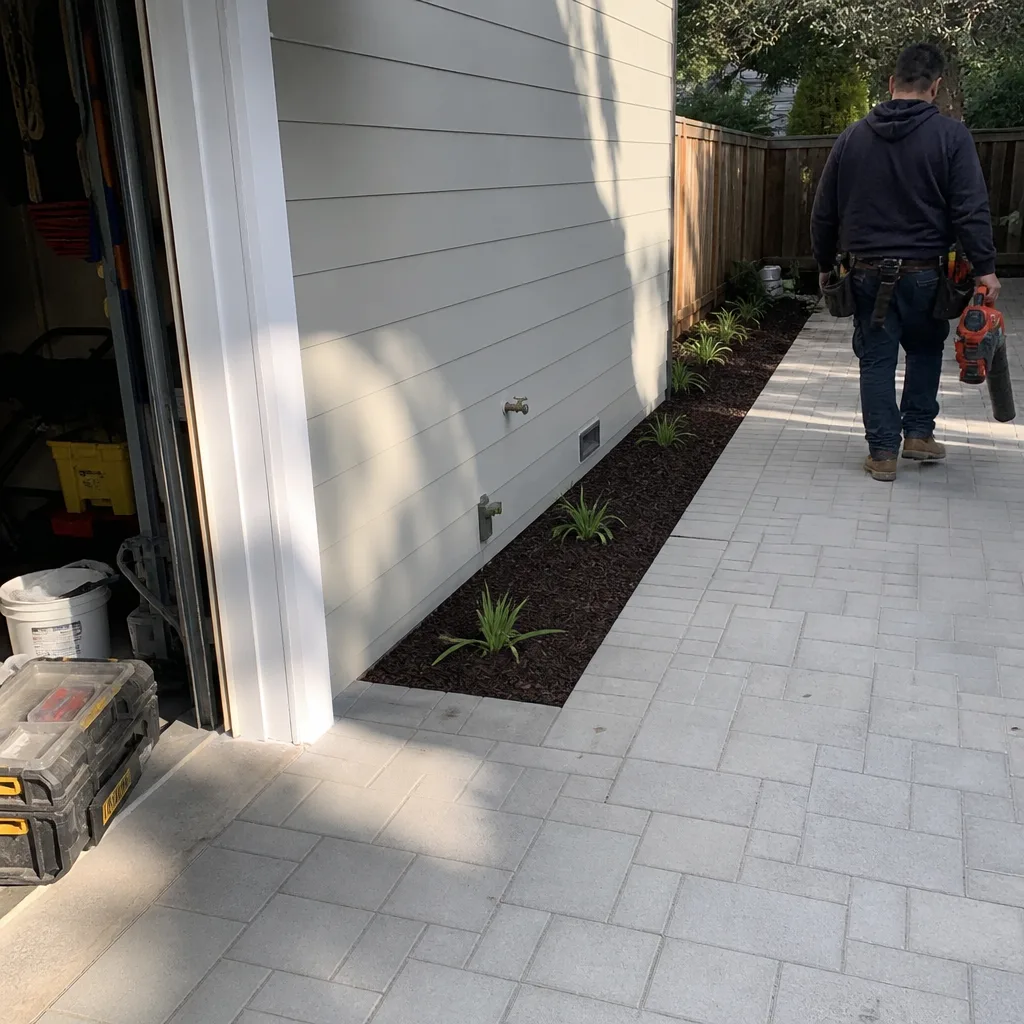
- Landscaping after construction completion: Sod, mulch beds, container plantings, and non-structural hardscaping like gravel paths. These occur outside the building envelope and affect no permit.
- Demolition of non-structural elements: Removing old cabinets, fixtures, or finish materials before the contractor arrives. Critical caveat: stop at the substrate. Removing a cabinet is fine; cutting into drywall to investigate plumbing is not, as it may disturb insulation or fireblocking that must be restored to code.
- Deep cleaning and surface preparation: Degreasing cabinets before painting, cleaning tile joints before regrouting, or stripping old caulk before replacement. These improve professional results without creating liability.
The common thread: these tasks do not alter the building’s code compliance, do not create concealed conditions, and do not require specialized tools over $100. They reward effort rather than expertise.
The Hybrid Model: Smart Savings Without Liability
The most cost-effective approach for major projects in Mountain View combines homeowner effort with professional permit authority. We have structured projects this way since 2007, with the boundary clearly defined in the written scope.
Step 1: Define the permit boundary in writing
Before any work begins, the written scope separates permit-required work from permit-exempt work. For a kitchen remodel in Mountain View, the permitted core includes electrical circuit modifications, plumbing rough-in, gas line work, structural modifications, and final inspections. The exempt periphery includes cabinet painting, backsplash installation if no electrical is disturbed, and appliance swap if circuits are unchanged.
Step 2: Homeowner completes pre-construction demolition
Remove old cabinets, countertops, and appliances to the subfloor and studs. Leave all substrate intact. Photograph everything before removal. This saves 8-16 hours of labor at professional rates, typically $800-$1,600 in Mountain View.
Step 3: Contractor performs permitted core with documented inspections
The contractor handles electrical, plumbing, structural, and insulation work, pulling permits and scheduling inspections. Under Clause 1 of the Haven Standard, the price for this phase is written before work starts. No change proceeds without a signed change order. The customer receives a documented photo record at each inspection stage.
Step 4: Homeowner completes finishing work post-inspection
After final inspection, the homeowner paints, installs hardware, and handles landscaping; see our seasonal construction care guide for year-round maintenance tips. These tasks require no permit and create no resale liability because they do not affect code compliance.
This hybrid model reduces total project cost 15-25 percent without exposing the homeowner to inspection failure, permit authority gaps, or the five-year resale liability of owner-builder work. The critical discipline: the permit boundary is fixed in the written scope, not adjusted mid-project. A homeowner who “just wants to move one outlet” during construction creates a code violation if that outlet was not in the permitted electrical plan.
Documenting DIY Work for Resale and Insurance
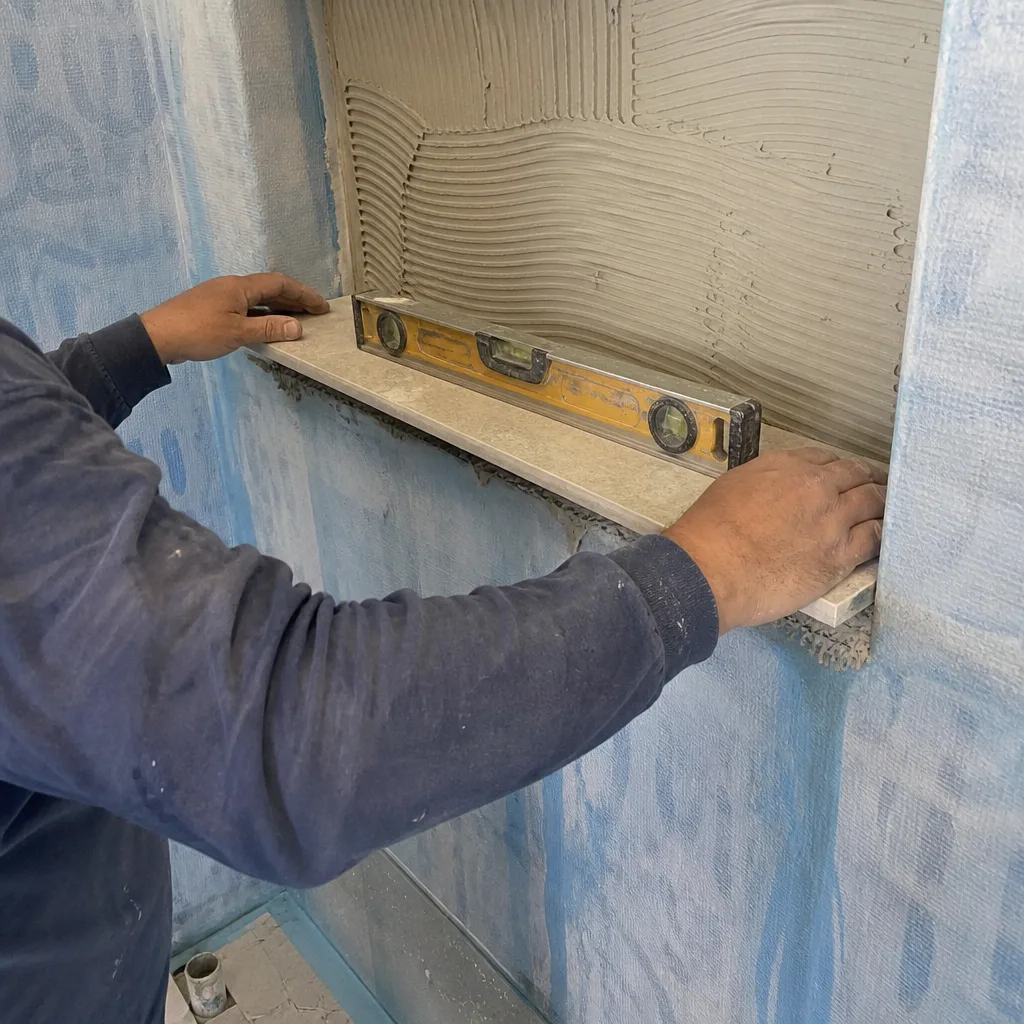
For permit-exempt DIY work that a homeowner completes, documentation protects future sale value and insurance claims. Mountain View buyers and their inspectors increasingly request records of any work performed without permits.
- Photograph every stage: Before, during, and after photos with date stamps. Show substrate condition, material placement, and finished result. Store in cloud backup with project date in filename.
- Retain all material receipts: Original receipts with product specifications prove material quality and installation date. For paint, note brand and sheen. For hardware, note manufacturer and model. These details answer buyer questions precisely.
- Write a one-page scope description: Date, location in home, work performed, materials used, and any manufacturer installation instructions followed. Sign and date. File with home records, not buried in a drawer.
- Disclose in seller documentation: California requires disclosure of material facts affecting value. Undisclosed unpermitted work, even exempt work, can support a fraud claim if defects emerge. A documented, disclosed paint job or hardware installation creates no liability; a hidden one does.
For work that touches structure, electrical, plumbing, or energy compliance, documentation does not substitute for permits and passed inspections. A photo of DIY electrical work proves only that the work was attempted, not that it meets code. The five-year liability presumption under Section 7044 applies regardless of photo quality.
Common Mistakes to Avoid
- Assuming a “simple” project needs no permit: In Mountain View, replacing a water heater, moving a sink drain six inches, or adding a 120V outlet all require permits. The permit threshold is the work type, not the perceived complexity.
- Buying tools for a one-time project without rental comparison: A $400 tile saw used once costs more than rental plus delivery. For projects under 200 square feet, rental or contractor-provided tools are cheaper.
- Starting demolition without asbestos testing: Pre-1980 homes in Mountain View, common in the Moffett Field and Rex Manor areas, may contain asbestos in flooring, insulation, or joint compound. Disturbing it without abatement creates federal liability and health risk. Testing costs $300-$500; abatement costs $2,000-$5,000; getting caught costs far more.
- Ignoring the five-year resale clock: A homeowner planning to sell within five years who completes owner-builder work faces liability presumption. Even if no defects exist, the disclosure burden and buyer negotiation leverage erode sale price.
- Mixing DIY and professional work without written scope boundaries: A homeowner who removes a wall “to help” before the structural engineer reviews it may destroy evidence needed for the engineering assessment. The fix costs more than the original plan.
- Using online cost estimators without Mountain View adjustment: National averages for kitchen remodels run 30-50 percent below Mountain View market rates due to labor costs, permit fees, and material delivery logistics. A DIY budget based on national data fails before demolition starts.
When to Call a Professional
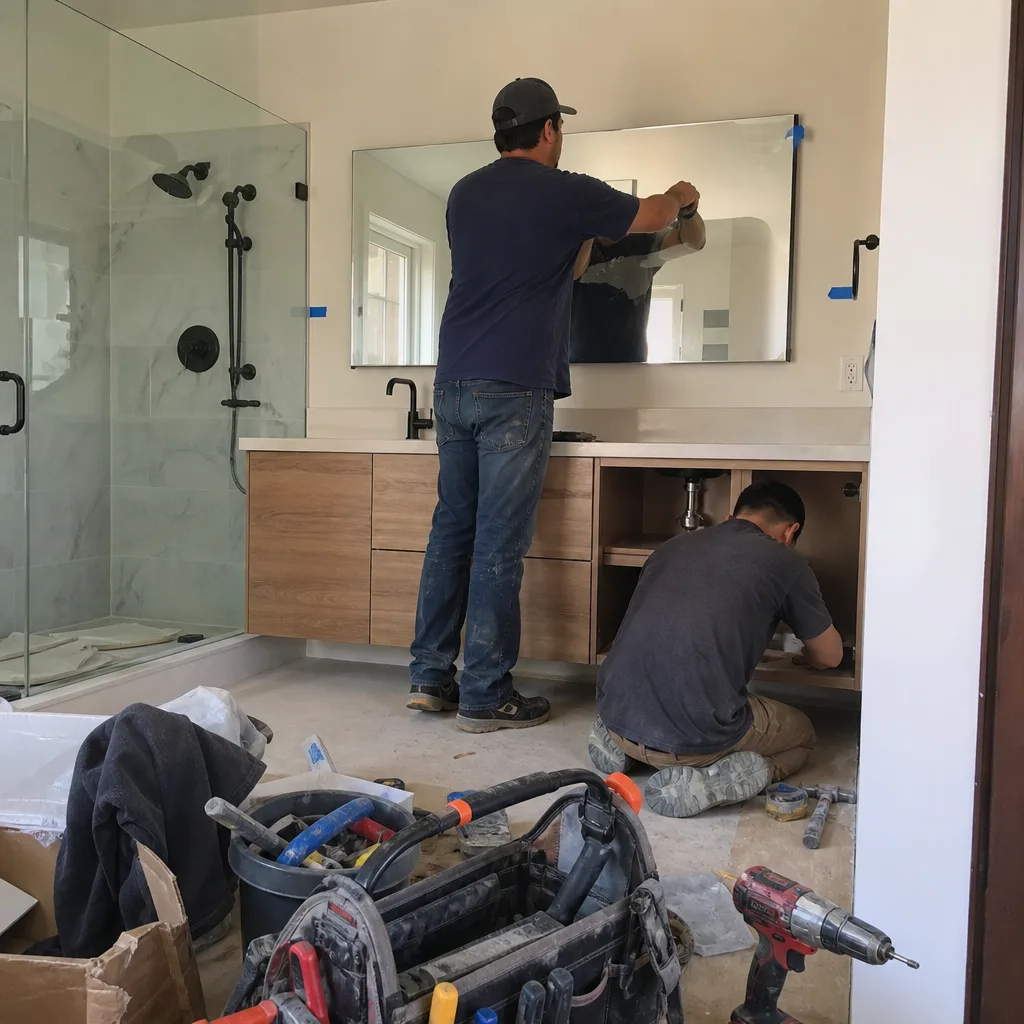
Call a licensed contractor when the project requires any of the following: electrical or plumbing permit, structural modification, energy-code compliance inspection, or work that will be concealed behind finished surfaces. These are not skill tests; they are legal authority tests. A master electrician can self-certify work that a homeowner cannot. A licensed contractor carries insurance that a homeowner’s policy excludes. A permitted project with passed inspections transfers cleanly at sale; an owner-builder project does not.
Rowan Construction Group Mountain View offers free estimates in Mountain View - call (669) 215-4852. Every estimate includes a written price before any work starts, a written scope with permit requirements identified, and our Free Second Opinion on any competitor’s written quote. We have delivered 4,000-plus projects since 2007, every one with a documented photo record and every one within a few percent of the agreed price, because no change proceeds without a signed change order.
Frequently Asked Questions
A DIY kitchen remodel saves 15-25 percent on labor costs if the homeowner owns tools and has 200-plus hours available, but tool purchases of $800-$1,500 and the cost of remediating failed inspections typically reduce net savings to 5-10 percent. For most Mountain View homeowners, the hybrid model, handling demolition and finishing while hiring a professional for the permitted core, delivers comparable savings without the liability exposure. Call (669) 215-4852 for a written quote on the professional portion - estimates are free.
Yes, as an owner-builder on your primary residence, but the work must be performed by you or immediate family members, not hired electricians, and you assume full liability for defects under Section 7044 if you sell within five years. Mountain View inspectors test every outlet with a circuit analyzer, and AFCI requirements under current code make DIY electrical work the most common inspection failure we see. Most homeowners find the liability risk outweighs the labor savings.
Yes, in nearly all cases. Title insurers flag permit gaps, buyer inspectors photograph inconsistencies, and California disclosure law requires reporting material improvements. Unpermitted work in Mountain View’s market typically triggers a price reduction of 1.5-3 times the original permit cost, plus the cost of retroactive permitting and inspection. The “savings” from skipping permits become a selling liability.
Interior painting, finish hardware installation, landscaping, and cosmetic surface treatments require no permit. Demolition of non-structural finish materials before professional work also requires no permit, provided you do not disturb insulation, fireblocking, or structural elements. The Mountain View Building Division publishes a complete exempt work list; verify before starting. When in doubt, a 10-minute phone call to the Building Division costs nothing; a permit violation costs significantly more.
Photograph every stage with date stamps, retain all material receipts with specifications, write a one-page scope description with dates and materials, and disclose the work in seller documentation. Documentation proves quality and timing; it does not substitute for permits on code-required work. For permit-exempt work like painting or hardware, thorough documentation satisfies buyer due diligence. For permitted work, only passed inspections satisfy legal requirements.
Yes, we regularly structure hybrid projects with clear written boundaries between professional and homeowner work. The permit-required core is performed by our background-checked, uniformed crews with documented inspections; the exempt finishing work is performed by the homeowner post-inspection. Under the Haven Standard, the price for our portion is written before work starts, and no change to either party’s scope proceeds without a signed change order. Call (669) 215-4852 to discuss your project and receive a written estimate.
The Bottom Line
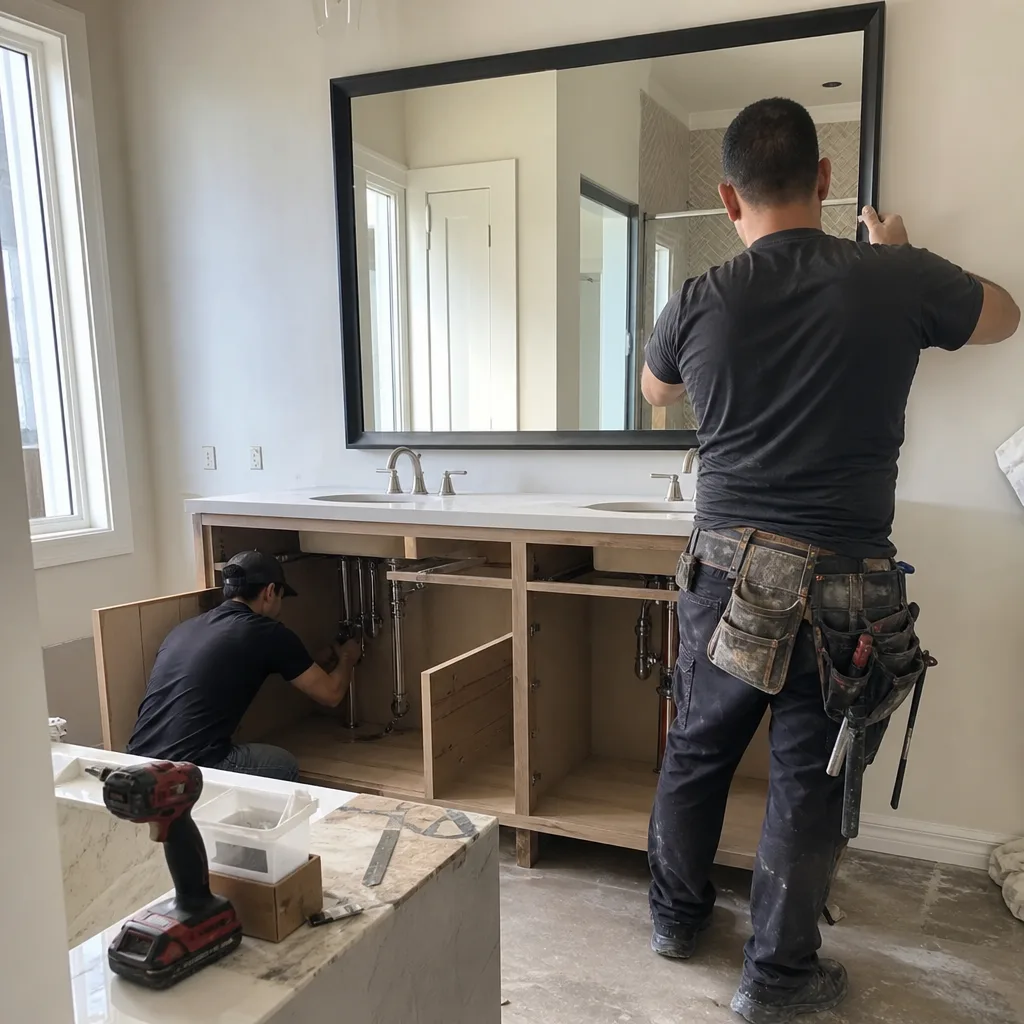
DIY construction in Mountain View is a legal and financial calculation, not a skill assessment. California’s owner-builder framework permits self-performance but loads five-year liability onto the seller. Mountain View’s inspection standards enforce code compliance that DIY work often misses, particularly in electrical, energy, and seismic details. The rational approach: handle permit-exempt finishing work yourself, hire a licensed contractor for the permitted core, and document everything. The savings come from smart division of labor, not from heroic solo effort that creates hidden costs at resale. For any project involving permits, inspections, or concealed work, a written professional quote is due diligence, not extravagance. Explore more guides & resources to plan your next project with confidence.
Written by Grant Rowan, Owner at Rowan Construction Group Mountain View, serving Mountain View since 2007.