
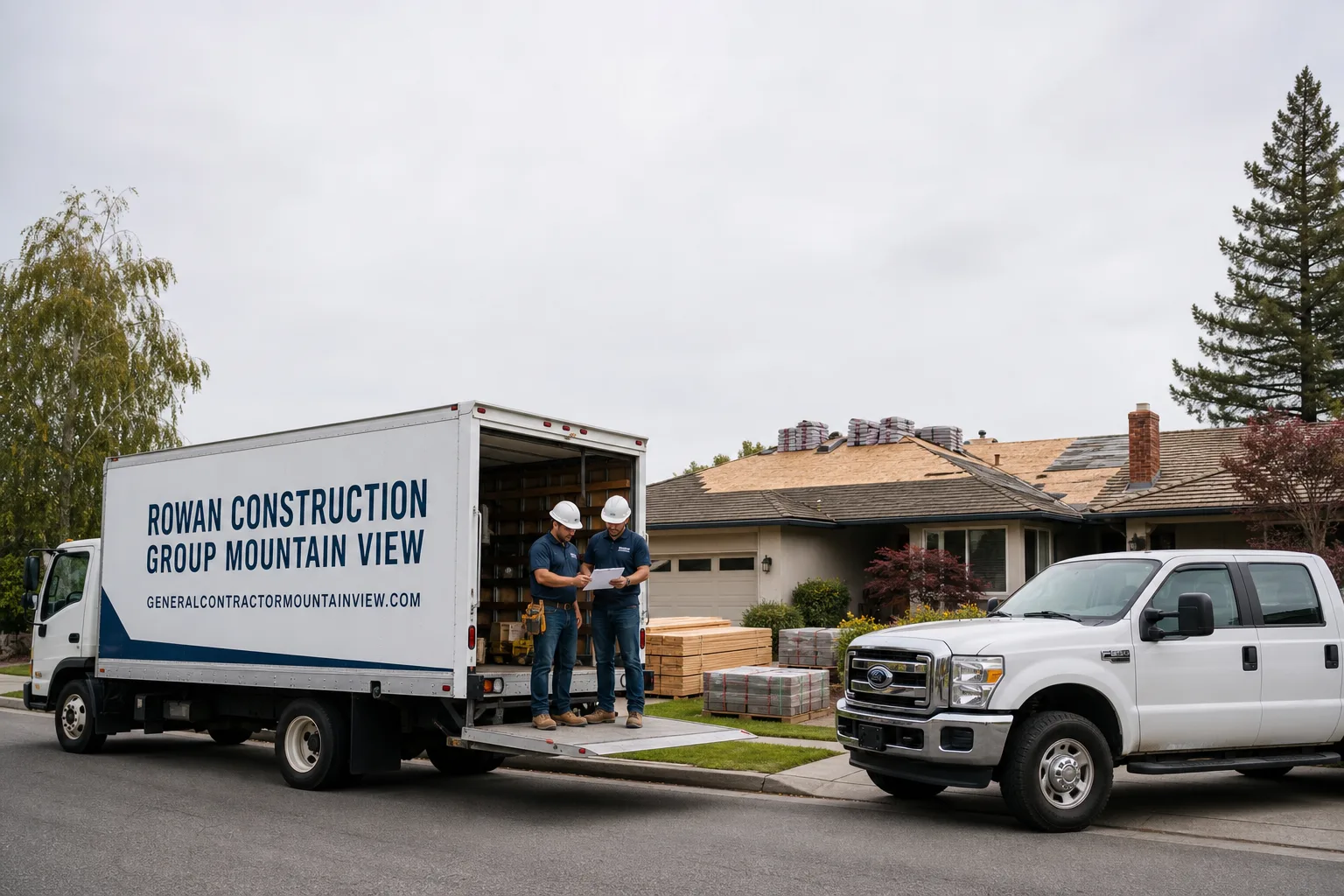
Free written scope consultation - allowances, timeline, and change-order rules on paper before a single trade is scheduled
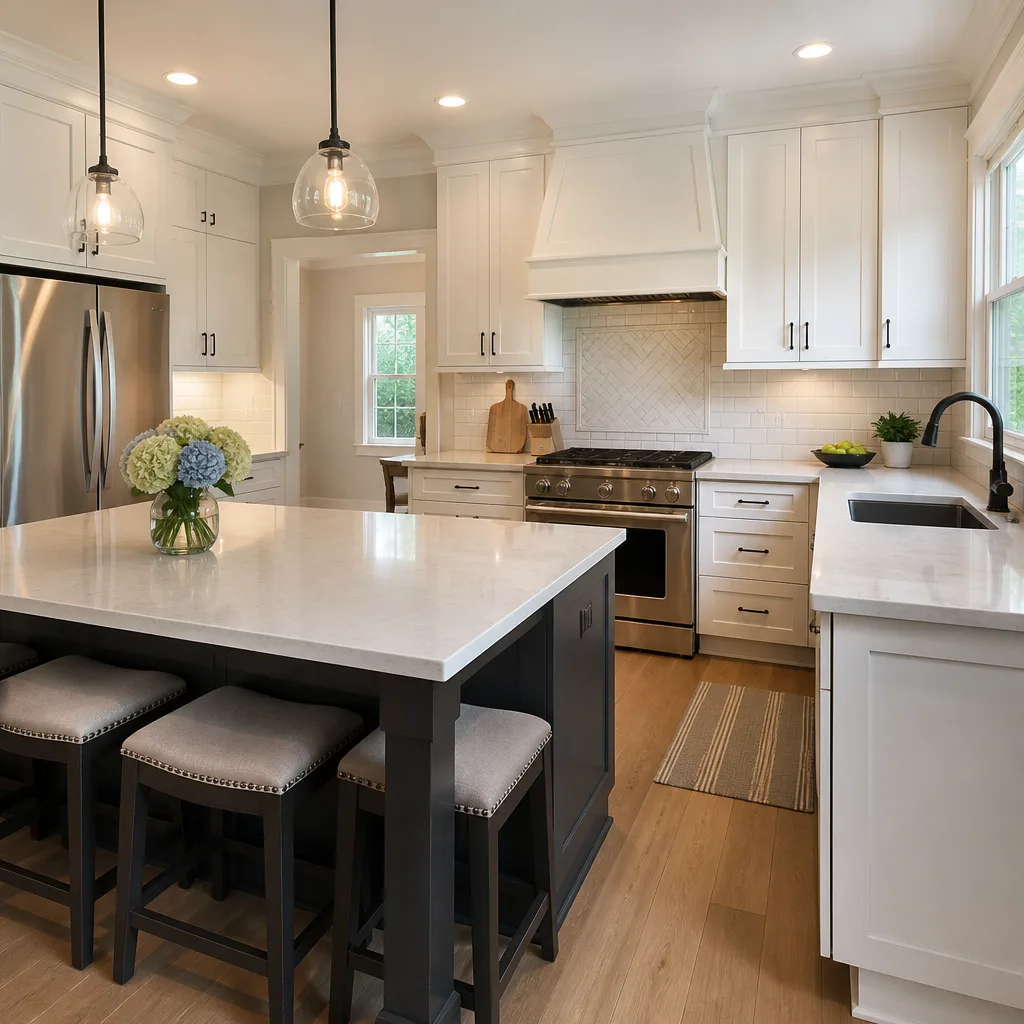
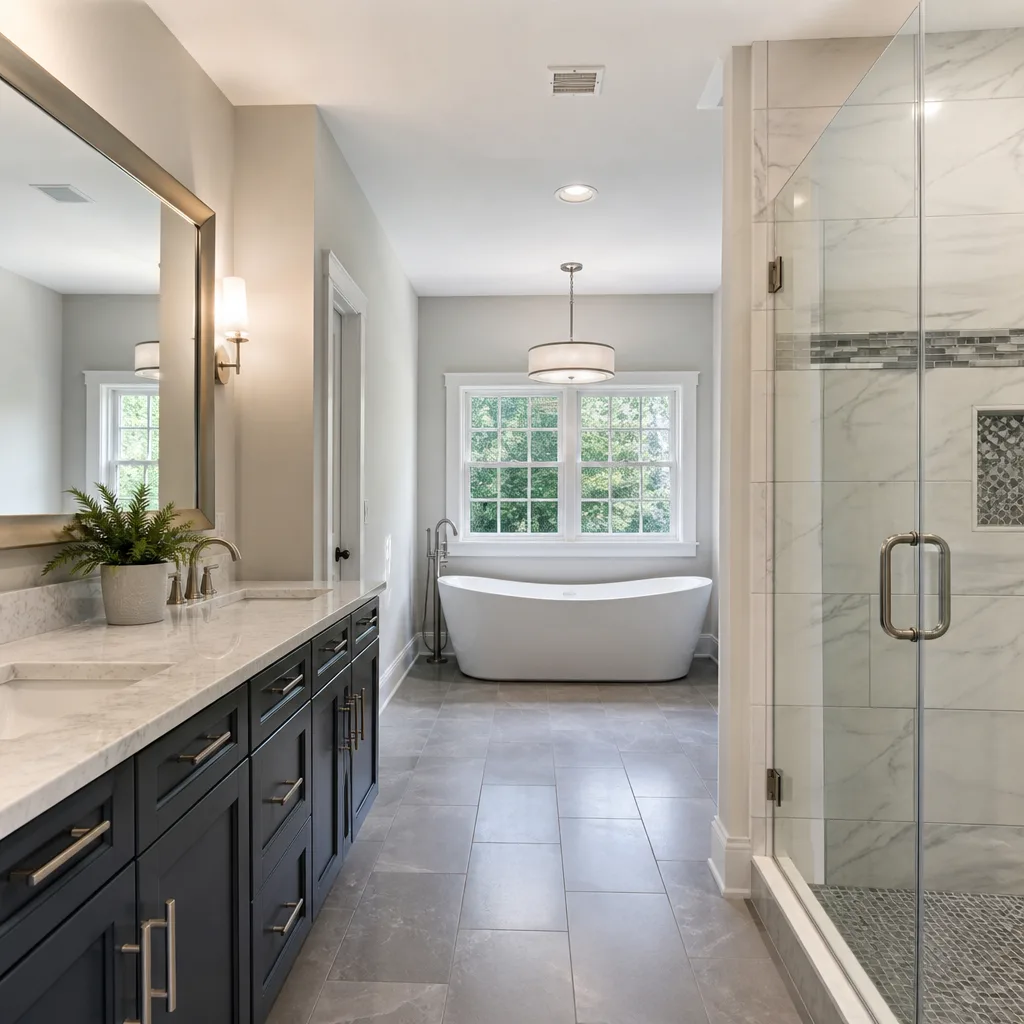
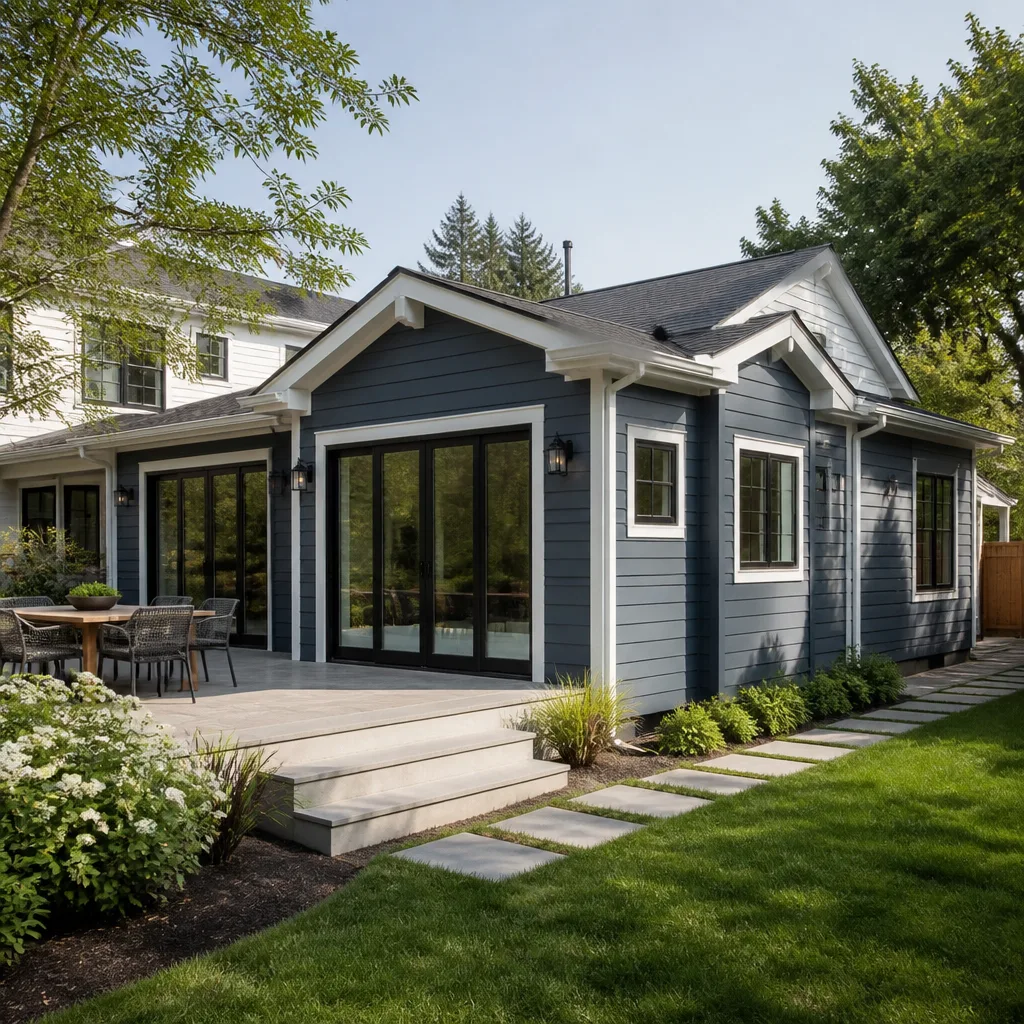
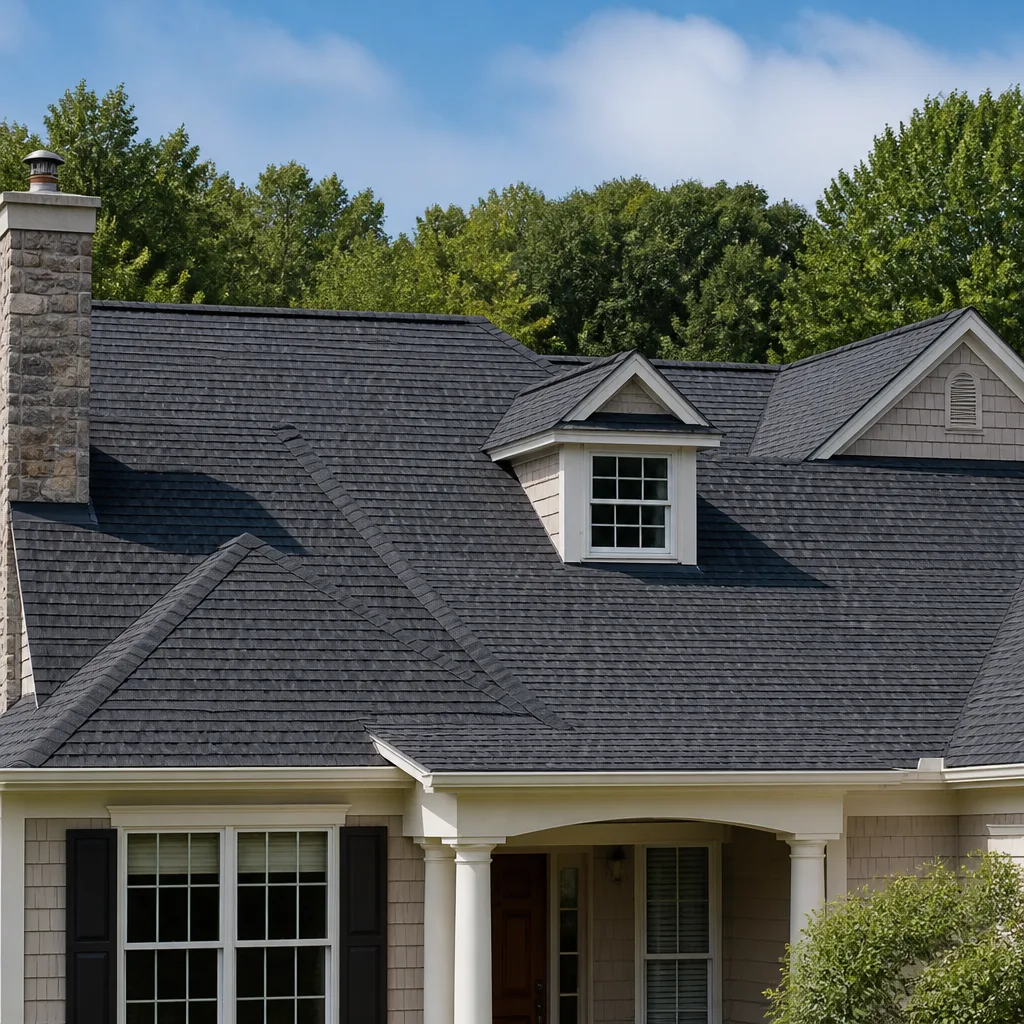
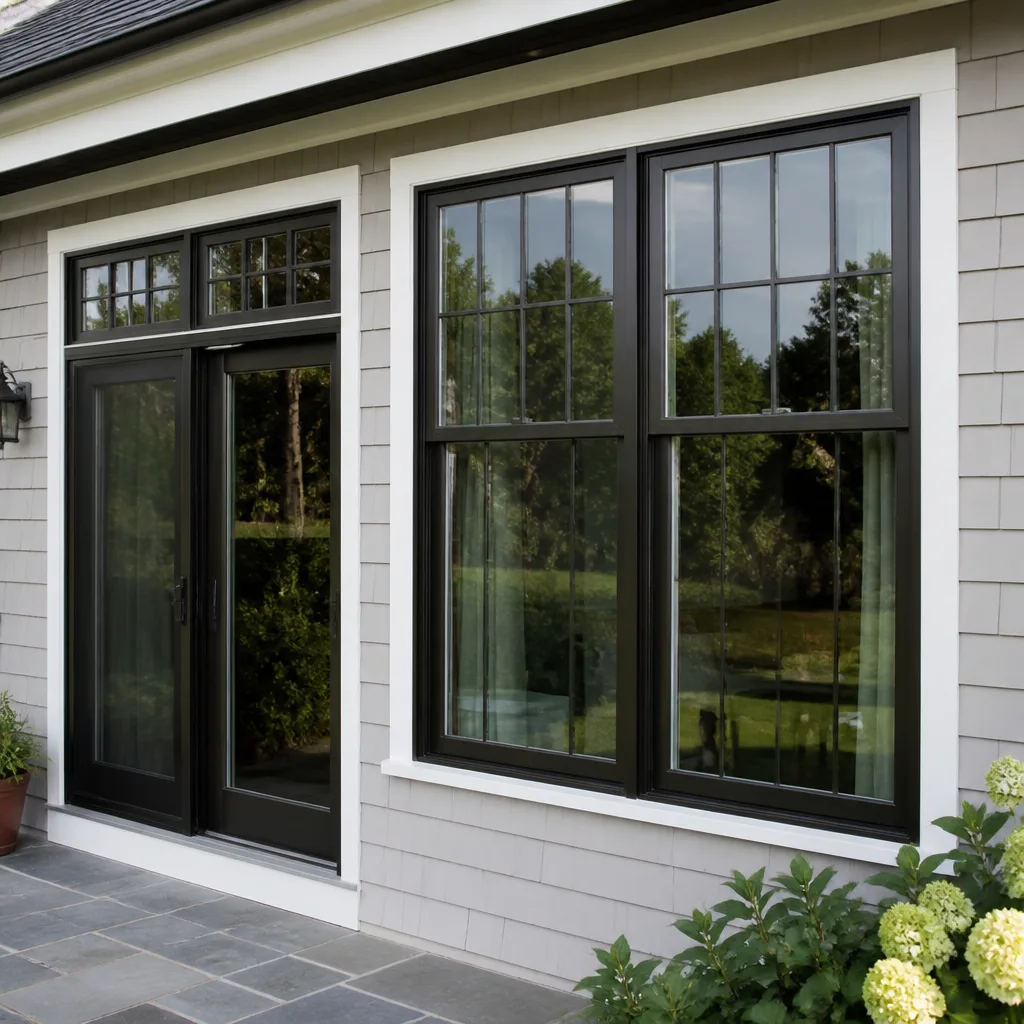
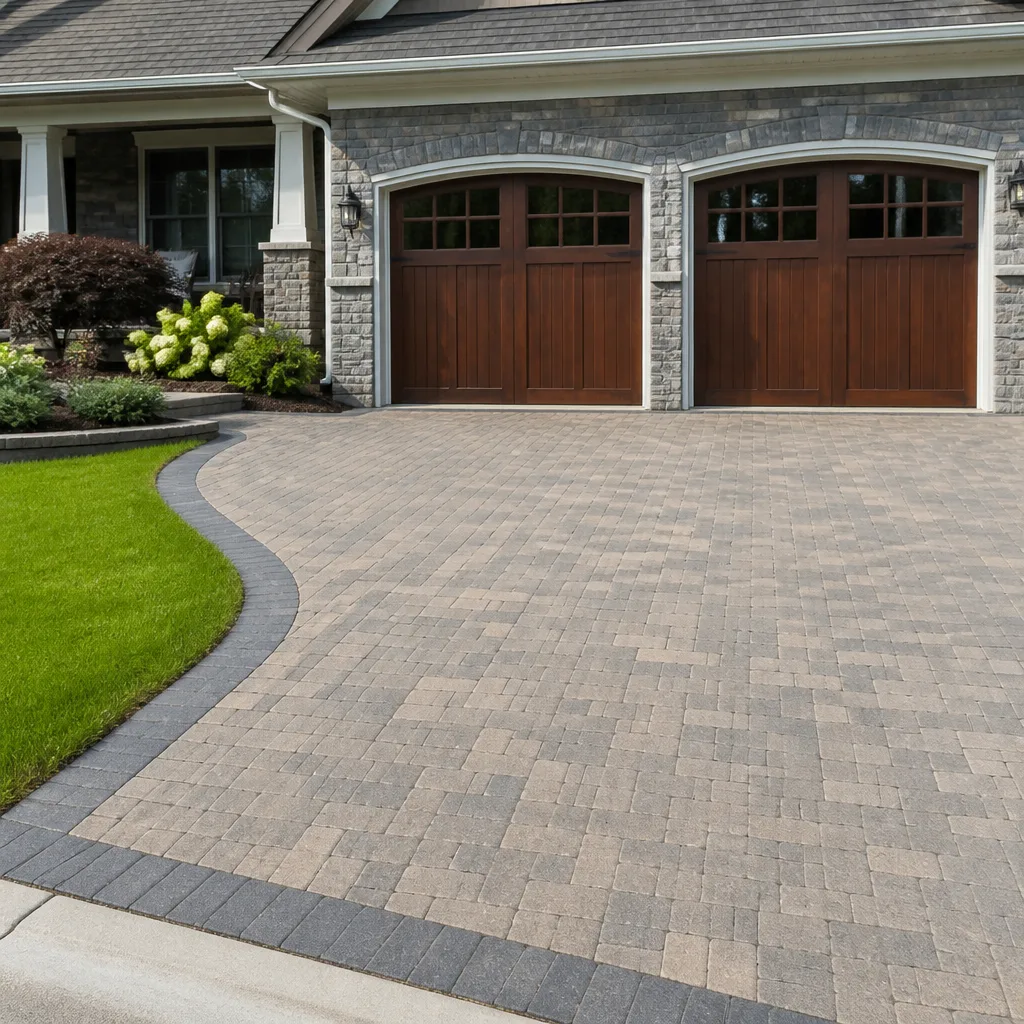
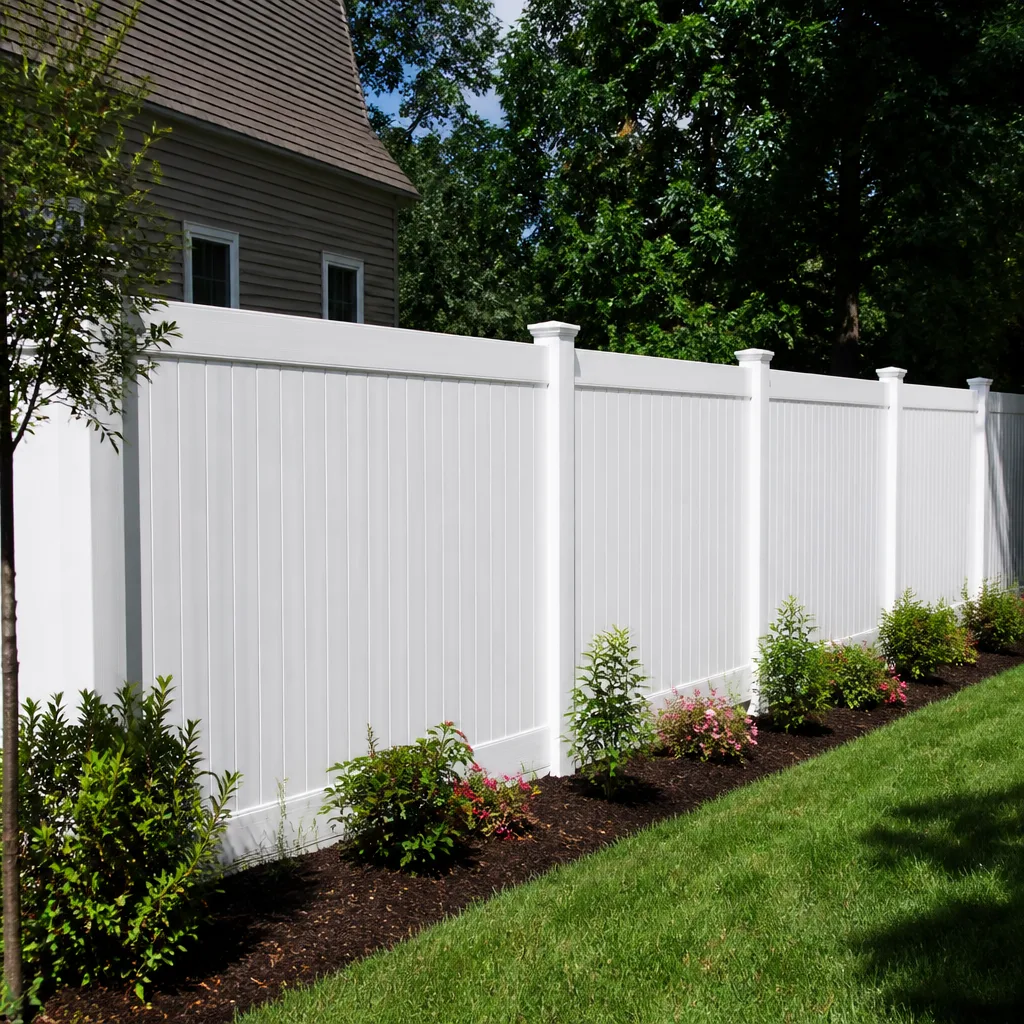
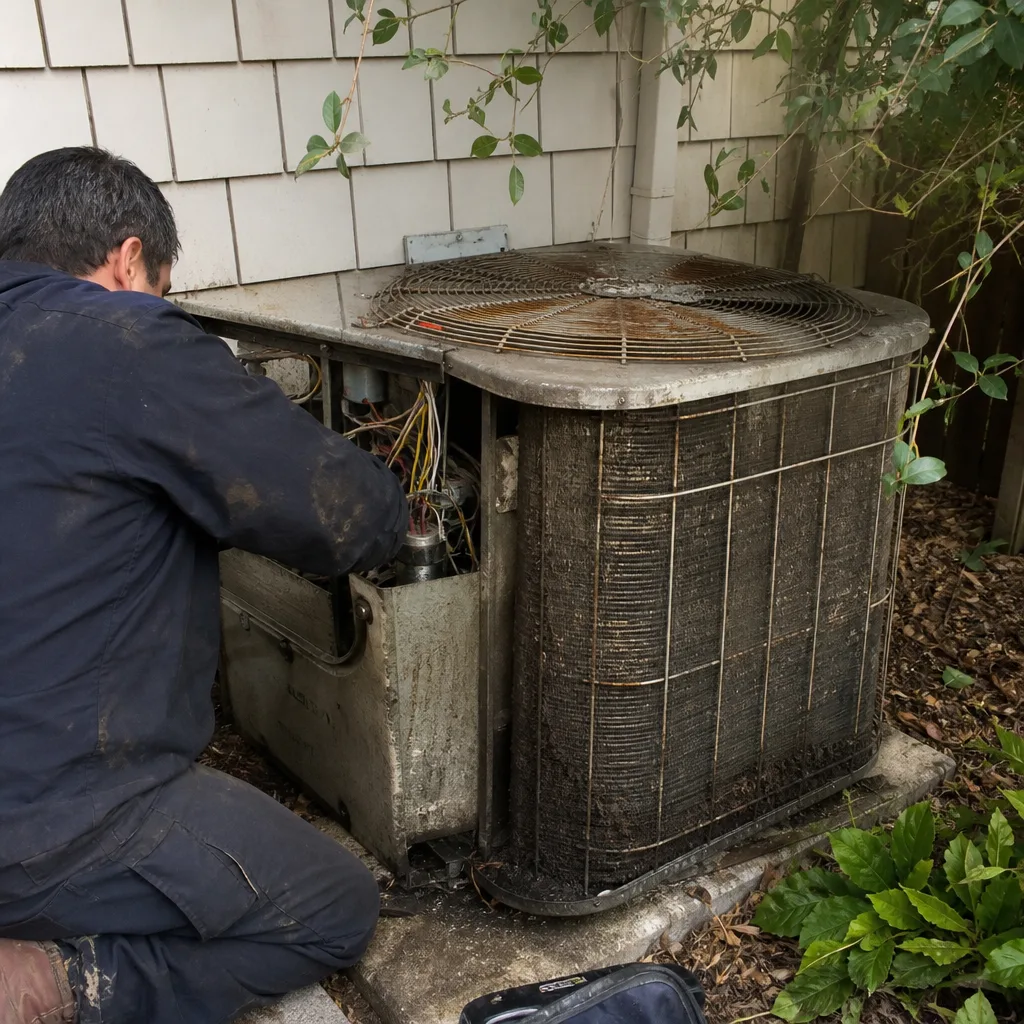 Before
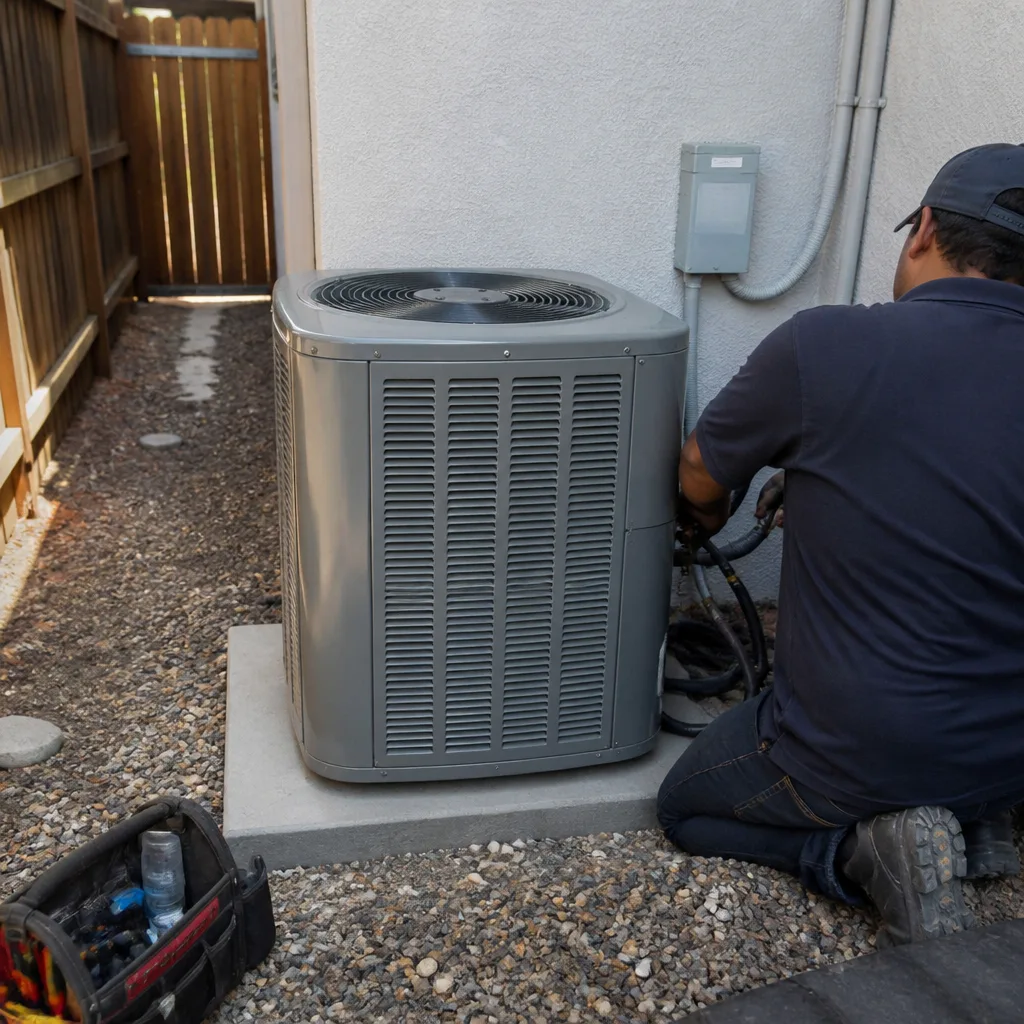 After
After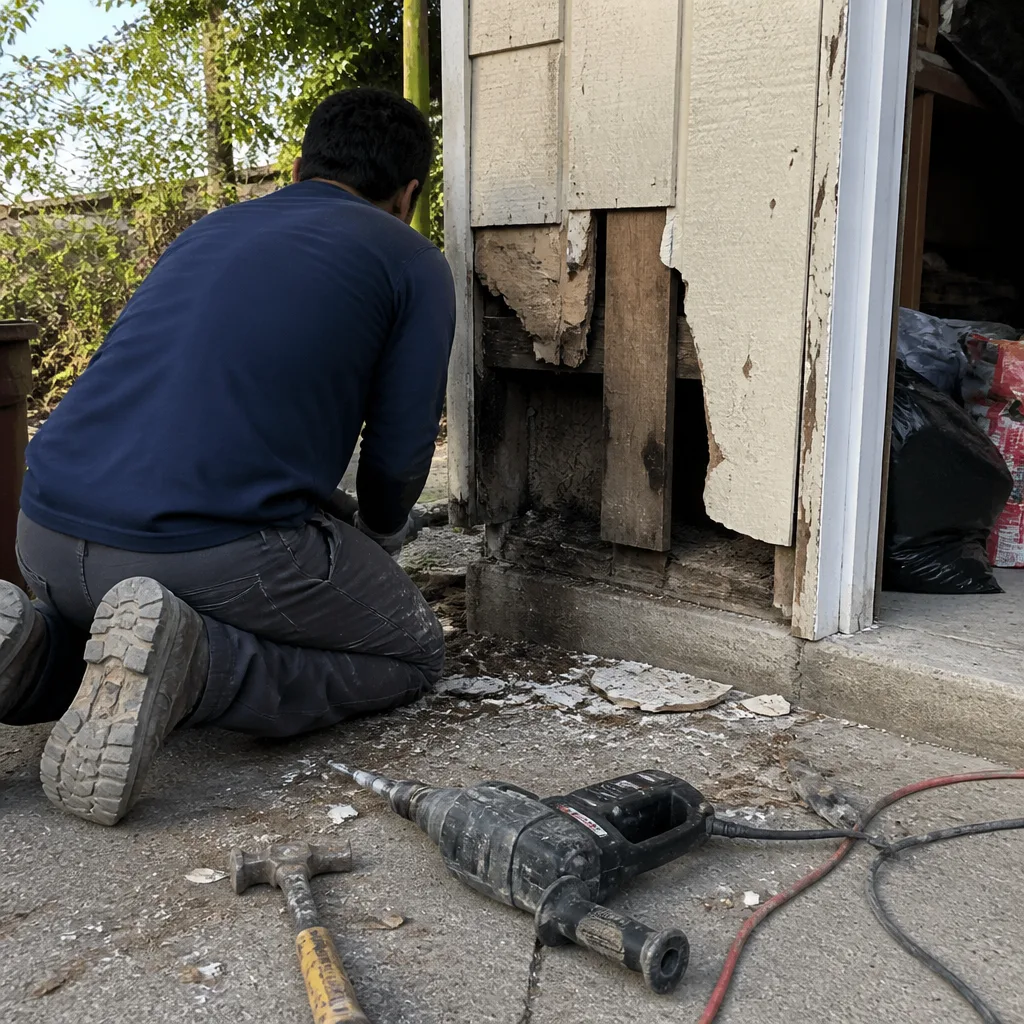 Before
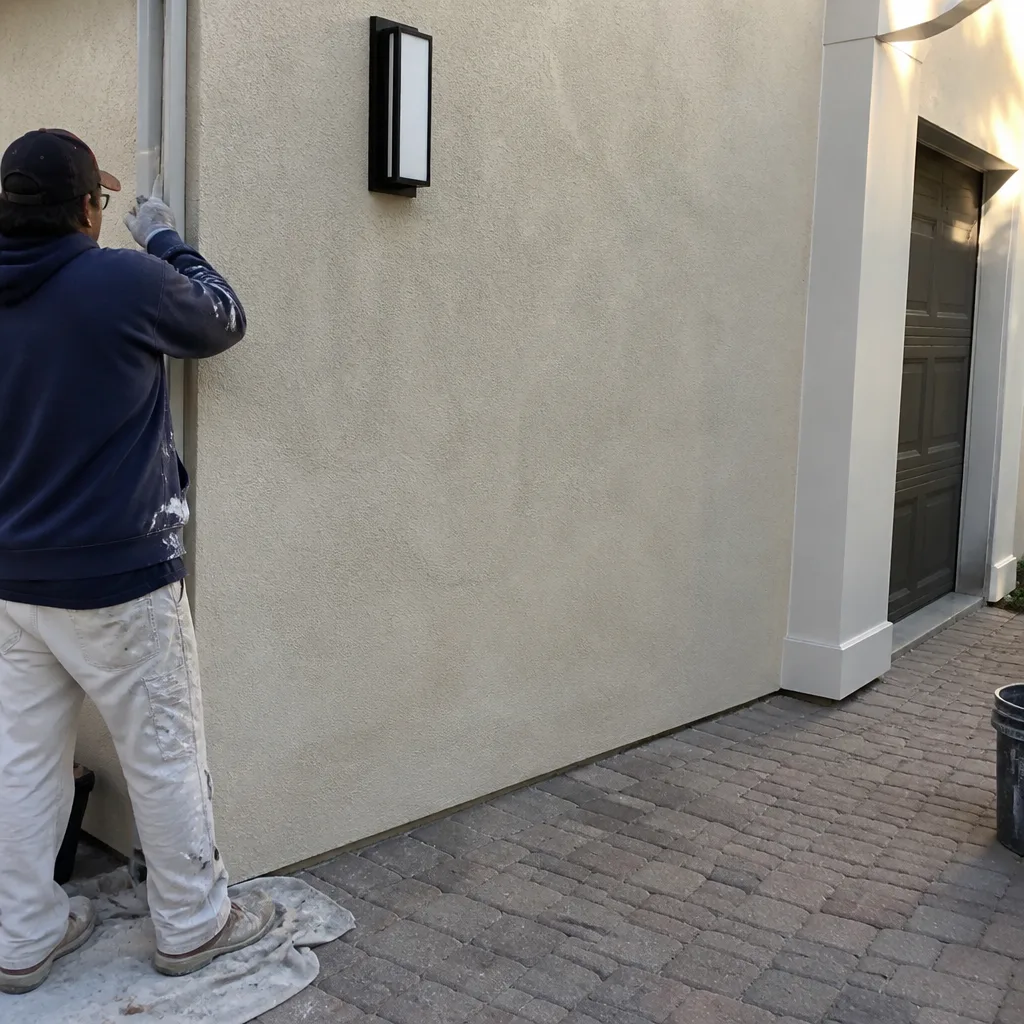 After
After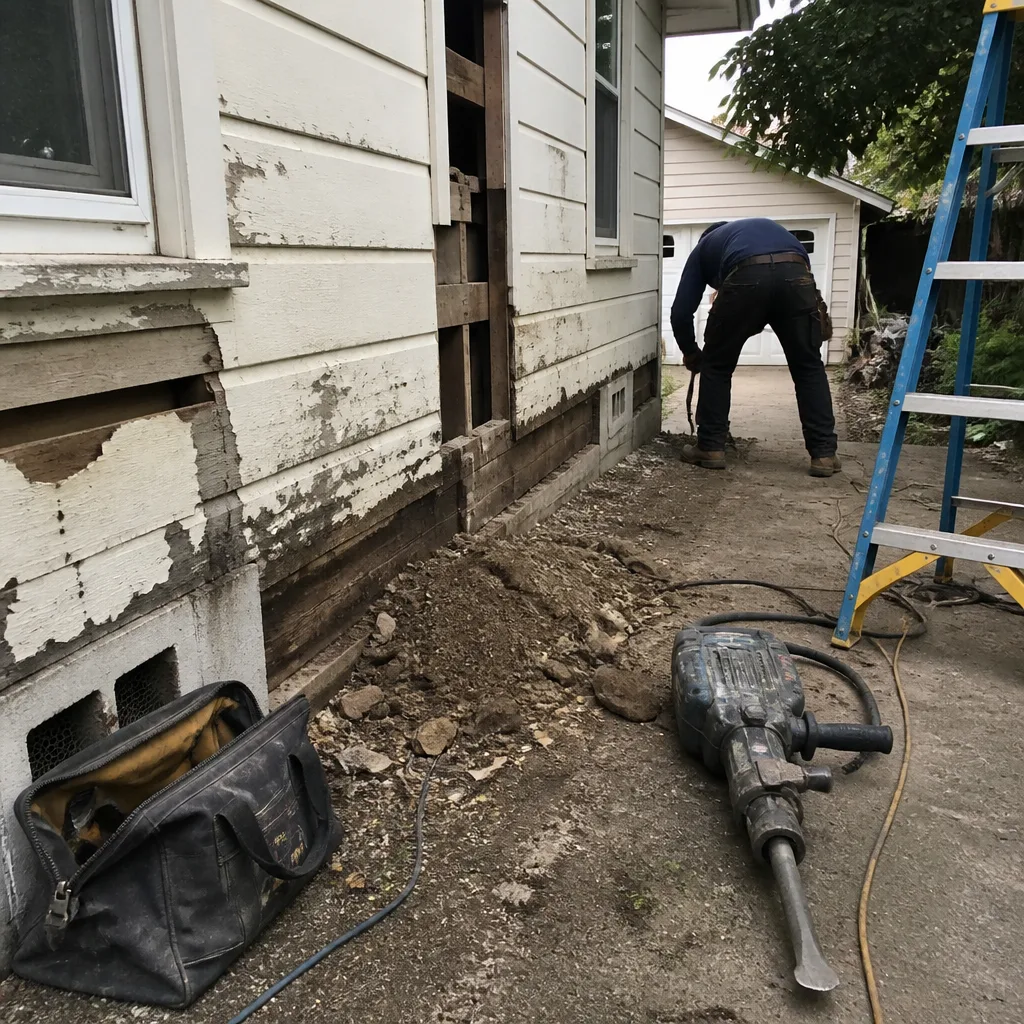 Before
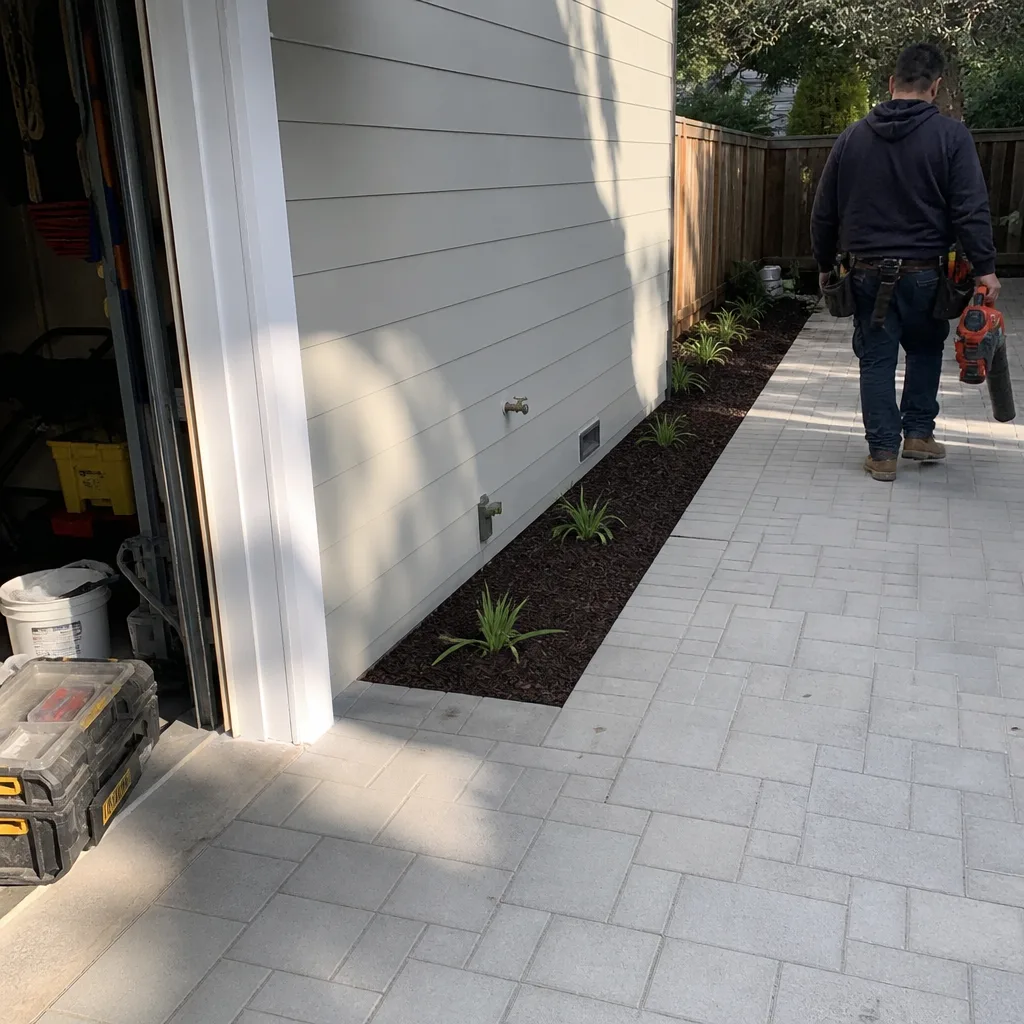 After
AfterHow Much Does Roof Replacement Cost in Mountain View?
Roof replacement in Mountain View, CA typically costs between $8,000 and $20,000 for a standard single-family home, with most projects landing in the $11,000-$15,000 range depending on roof size, pitch, and material. Labor rates in Santa Clara County run higher than national averages, and Bay Area permitting adds a modest but real line item to every project. Most Mountain View homeowners can expect a written quote, a pulled permit, and a completed job within two to three weeks from first contact.
Roof Replacement Cost Breakdown (2026)
The table below reflects what Rowan Construction Group quotes on actual Mountain View jobs in 2026. These are flat-price ranges, not ballpark guesses – every number here corresponds to a written scope before anyone picks up a tool, which is how we’ve kept project costs within a few percent of the agreed price across 4,000-plus jobs since 2007.
| Line Item | Typical Range (Mountain View, 2026) |
|---|---|
| Asphalt shingle replacement (1,500-2,000 sq ft) | $8,000 - $13,500 |
| Asphalt shingle replacement (2,000-2,800 sq ft) | $12,500 - $17,000 |
| Architectural / dimensional shingle upgrade | Add $1,500 - $3,500 |
| Metal roof installation (standing seam) | $15,000 - $40,000 |
| Concrete or clay tile roof | $14,000 - $28,000 |
| Underlayment replacement (synthetic) | $800 - $2,000 |
| Decking (sheathing) repair or replacement | $600 - $2,500 depending on extent |
| Ridge cap, hip, and valley flashing | $400 - $1,200 |
| Skylight flashing or replacement (per unit) | $350 - $900 |
| Permit (City of Mountain View) | $350 - $800 |
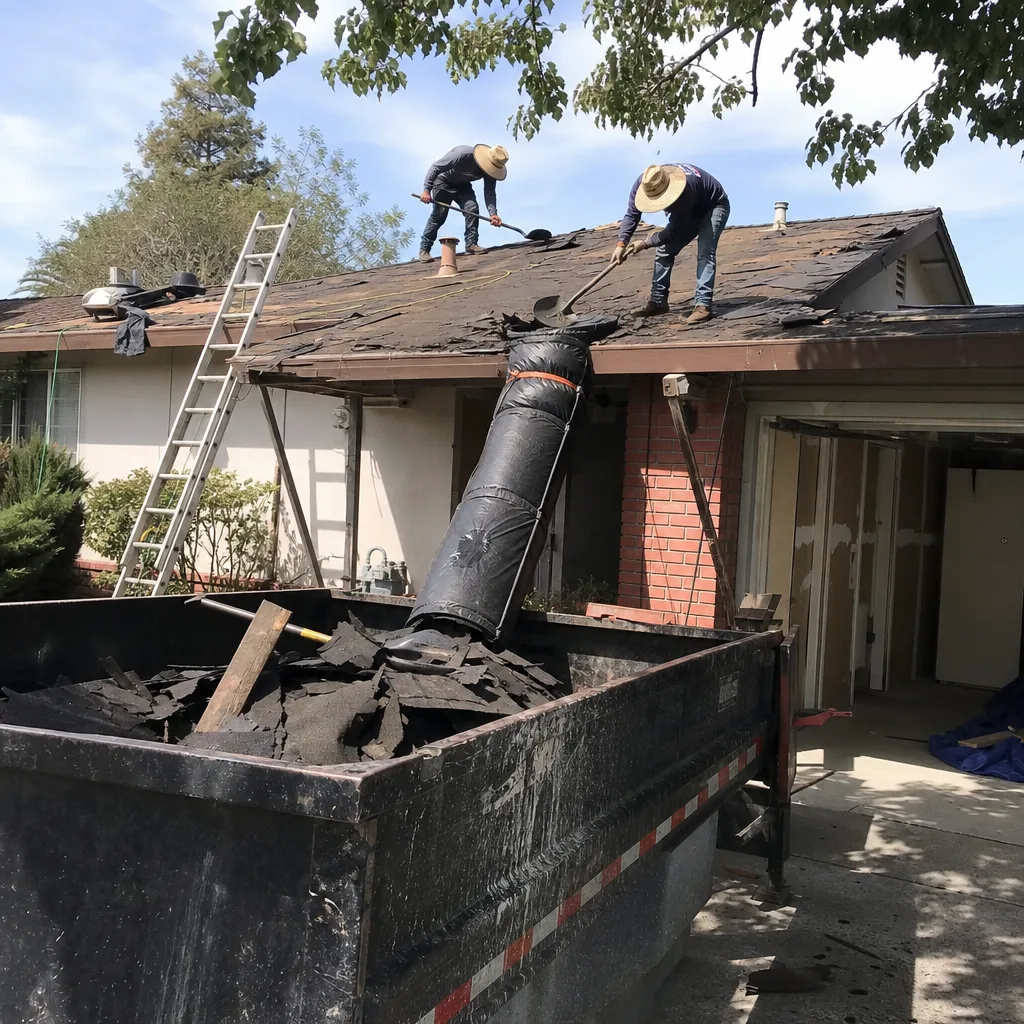
| Haul-away and disposal | $400 - $900 |
| Roof repair (minor, no full replacement) | $400 - $1,800 |
A few things drive costs toward the top of these ranges in Mountain View specifically. The city requires a permit for any full tear-off and re-roof – which is correct, because an inspected installation protects your home’s resale value and keeps your homeowner’s insurance claim defensible if you ever need to file one. Labor costs reflect Santa Clara County rates, which track roughly 20-30% above the national median for skilled roofing trades. And if your home is in one of Mountain View’s older neighborhoods – Shoreline West, Old Mountain View, or Cuesta Park, where homes from the 1950s and 1960s are common – there’s a higher-than-average chance the inspection will turn up a second layer of old shingles or original 1×6 board sheathing that needs spot replacement before new material goes on.
Those aren’t surprises on a Rowan project. Our crews photograph the substrate – the decking layer under your shingles – before anything gets covered, and the written quote includes a scope for likely decking repairs so the number you approve is the number you pay. Under the Haven Standard, no change order proceeds without your signature. That administrative discipline is why projects finish within a few percent of the agreed price.
What Affects Roof Replacement Pricing in Mountain View
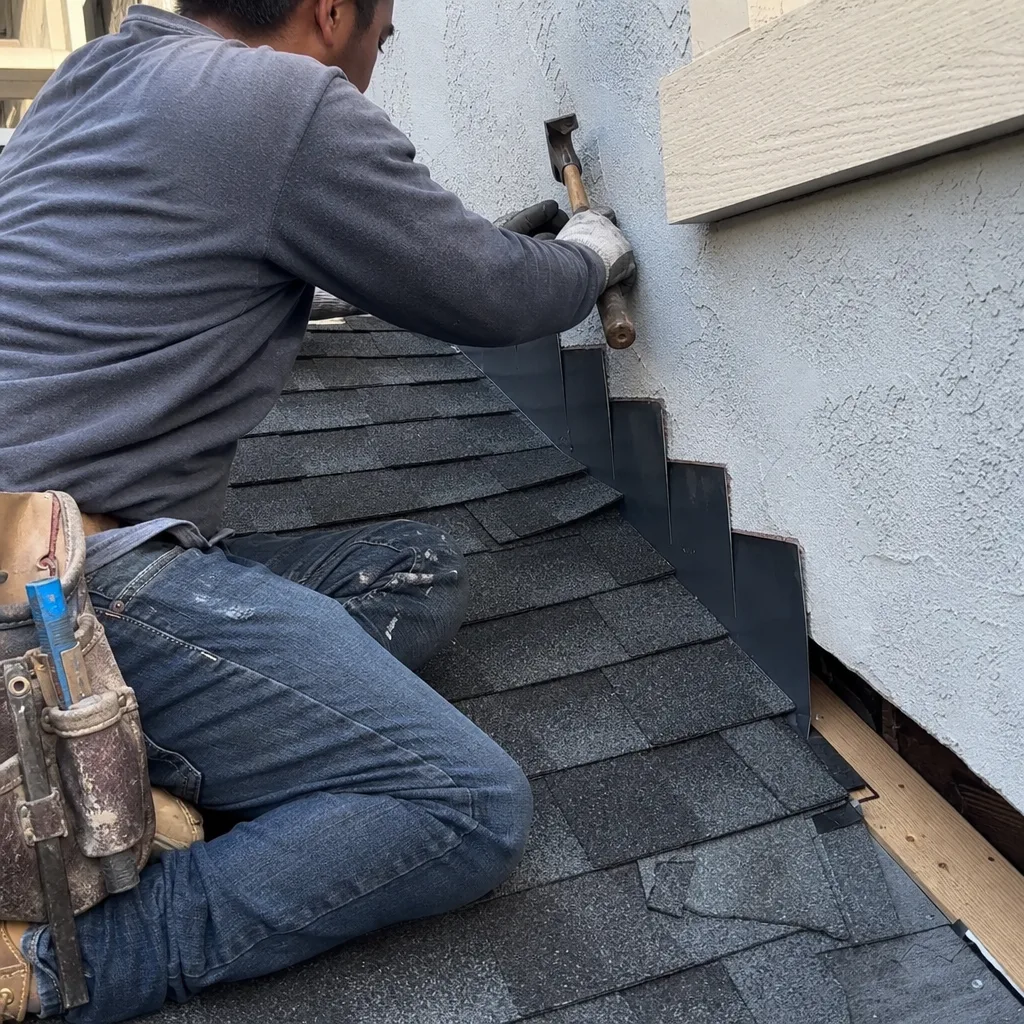
- Roof size and square footage: Roofing is priced in “squares” (one square equals 100 square feet of roof surface). A 1,600-square-foot Mountain View ranch house might have 18-22 squares of actual roof surface once you account for pitch and overhang. Every additional square adds material, labor, and disposal cost in a fairly linear way.
- Roof pitch and complexity: The flat-to-moderate pitches common on 1950s and 1960s tract homes throughout Cuesta Park and Rex Manor are faster and safer to work than steep pitches. Steeper pitches – anything above a 7:12 slope – require additional safety rigging, reduce crew productivity, and typically add $800-$2,500 to the total. Multi-gable roofs with multiple valleys and hips cost more to flash and cut than a simple gable design.
- Material choice: Standard three-tab asphalt shingles are the most affordable option but are rarely specified on new work anymore; most Mountain View homeowners choose architectural (dimensional) shingles for the longer warranty and better wind resistance. GAF Timberline HDZ and Owens Corning Duration are the two lines we quote most often – both are algae-resistant, which matters in a Bay Area microclimate where morning fog rolls in from the Bay and sits on north-facing slopes for hours. Metal roofs and tile systems cost significantly more upfront but outperform shingles on longevity in the 40-50 year range.
- Existing layer count: California building code allows up to two layers of roofing material. If your Mountain View home already has two layers, both must be torn off before new material can go on – adding $1,500-$3,000 in labor and disposal cost. We check this at the estimate, not after tear-off starts.
- Substrate and decking condition: Mountain View’s climate is mild, but homes near Shoreline – especially those within half a mile of Stevens Creek or the Bay marshlands – see elevated humidity in winter months. That moisture, sustained over decades, can soften OSB or plank sheathing at the eaves and around penetrations. Our photo record documents every section of decking before it’s covered, so you know exactly what was replaced and why.
- Permits and inspection: The City of Mountain View Building Division requires a permit for a full re-roof. Pulling that permit – and passing the final inspection – costs $350-$800 depending on valuation, but it’s not optional and it shouldn’t be skipped. A roofing contractor who offers to “skip the permit to save you money” is transferring liability to you and voiding most manufacturer warranties at the same time.
 Before
 After
AfterAsphalt Shingles vs. Metal vs. Tile: Which Makes Sense in Mountain View?
Most Mountain View homeowners end up with architectural asphalt shingles. Here’s the honest case for each material at 2026 prices, without cheerleading for the most expensive option.
Architectural Asphalt Shingles
Cost for a typical Mountain View home: $8,000 - $17,000. Lifespan is 25-30 years with a quality product like GAF Timberline HDZ or Owens Corning Duration. These shingles are Class A fire-rated, which matters for homeowners insurance in California, and the algae-resistance treatment is relevant for north-facing slopes in the Bay Area fog belt. If you bought your house between 2015 and 2025 and plan to hold it another 15-20 years, a dimensional shingle roof is usually the right financial call.
Metal Roofing
Cost for a typical Mountain View home: $15,000 - $40,000. Standing-seam metal is the only roofing material we’d call genuinely low-maintenance over a 40-50 year horizon. It sheds debris, doesn’t absorb moisture, and holds up without much intervention on the kind of shallow-pitch Eichler-style homes you see in areas like Gemello. The premium over asphalt is real, and it’s worth it if you’re planning to stay in the house long-term or if you have a flat or low-slope roof where asphalt shingles aren’t code-appropriate.
Concrete and Clay Tile
Cost for a typical Mountain View home: $14,000 - $28,000. Tile is common on Mediterranean and Spanish-style homes in the Rex Manor and Martens-Carmelita neighborhoods. It’s durable and looks good for decades, but it adds significant structural load – roughly 9-12 pounds per square foot versus 2-3 for asphalt. Before a tile installation, a structural assessment of the rafters and sheathing is standard. Tile repair is also specialized work; we see a fair number of cracked tiles in older Mountain View homes where previous contractors walked the roof without laying boards. Tile roof repair in Mountain View typically costs $600-$2,500 depending on how many tiles need to be replaced and whether the underlying membrane is intact.
How to Save on Roof Replacement in Mountain View
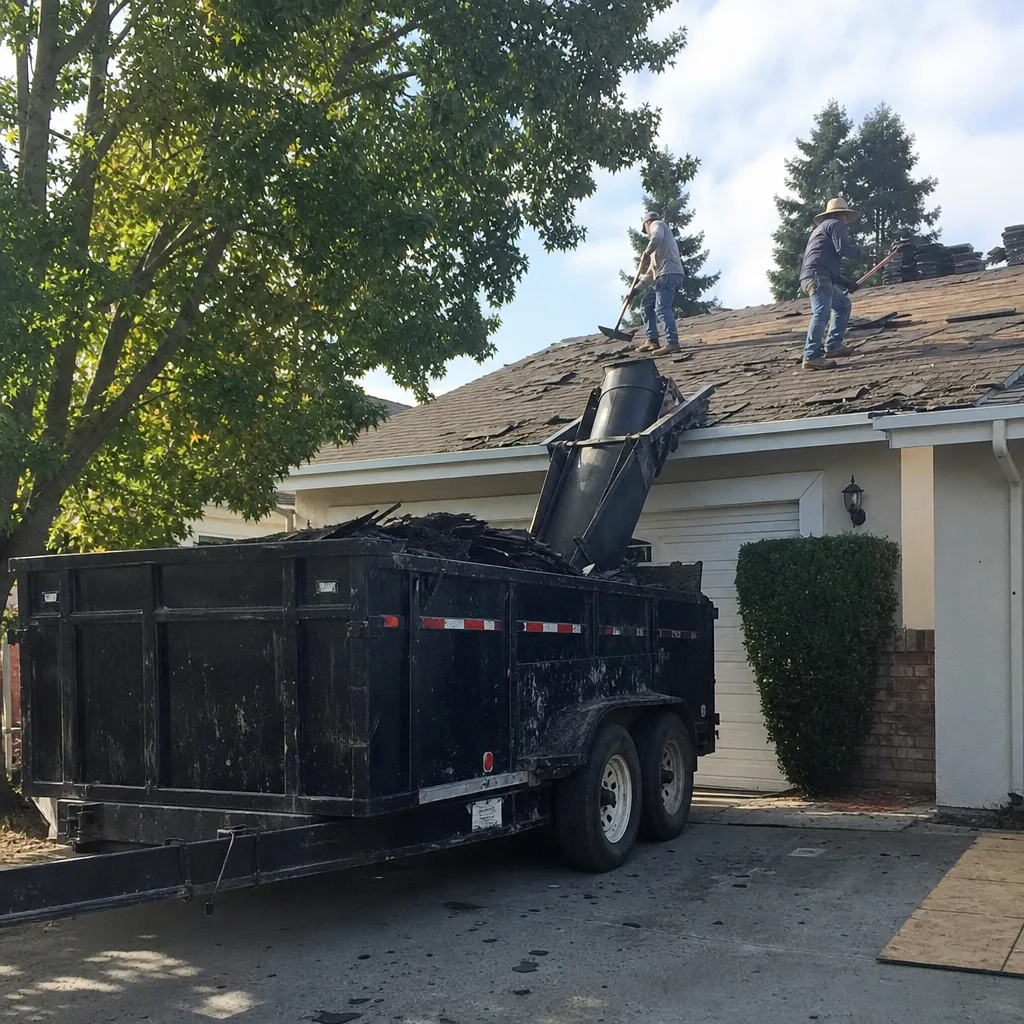
A few approaches actually reduce cost without cutting the wrong corners. Others are popular but don’t hold up under scrutiny.
Get a written scope before you compare quotes
The single most reliable way to save money is to compare quotes that describe the same work. If one contractor quotes $10,500 and another quotes $14,000, the difference often comes down to underlayment spec, decking repair allowance, or whether the permit is included. A written scope forces apples-to-apples comparison. Rowan’s Free Second Opinion offer exists for exactly this reason – bring any written estimate from another contractor and we’ll review it line by line at no charge, pointing out what’s included, what’s absent, and where the numbers track or don’t.
Time the project for fall or early winter
Mountain View’s dry season runs roughly May through October, and that’s when every roofing crew is booked solid. Scheduling in November or February doesn’t carry meaningful weather risk – the Bay Area rainy season is real but predictable, and a competent crew will tarp and protect the substrate during any multi-day job. Contractor availability improves after peak season, and some material costs ease slightly.
Don’t skip the decking inspection
This sounds counterintuitive as a money-saving tip, but homeowners who skip it end up paying more. A contractor who quotes without looking at the sheathing condition will either build in a large contingency (padding their margin) or call you mid-job with a “we found damage” conversation. A transparent upfront inspection – with photos – gives you the real number before work starts.
Ask about material options at the same labor cost
Labor is roughly 60% of a roofing project’s cost in the Mountain View market. If your roof has a straightforward layout with minimal penetrations, the labor cost doesn’t change much between a mid-grade and premium shingle. Asking for pricing on two or three material tiers at the same labor rate is a legitimate way to find the sweet spot between upfront cost and warranty length.
Combine with adjacent work if the crew is already mobilized
If your gutters need replacement, your fascia boards are soft, or you’ve been considering adding a solar-ready mounting point, the marginal cost of doing that work while a crew is already on the roof is substantially lower than returning for a separate mobilization. Rowan’s written quote can include these line items as separate scope items so you can approve or decline them individually – no pressure, no bundling you didn’t ask for.
For a written estimate on your Mountain View home, call (669) 215-4852. The quote is free, the price is in writing before anything starts, and the estimate visit includes a documented photo record of current roof condition – so even if you don’t move forward, you leave with a clear picture of what you’re working with.
The Rowan Construction Group Approach to Roofing in Mountain View
Grant Rowan founded this company in 2007 with a simple administrative discipline: the price is written before anyone picks up a tool, and no change proceeds without a signed change order. That’s not a marketing line – it’s the practice that has kept 4,000-plus projects within a few percent of the agreed cost over 19 years. For roofing specifically, it means the tearoff doesn’t start until you’ve seen the substrate photos, reviewed the scope, and signed off on any decking repairs. You’re not discovering the “real price” mid-project.
For Mountain View roofing projects, Rowan sources material from GAF and Owens Corning – both manufacturers with strong warranty programs that require certified installation to be valid. The material sourcing isn’t brand loyalty for its own sake; it’s what makes the warranty on the written quote a real commitment rather than a footnote.
Every completed roofing project receives a documented photo record – before, during, and after installation – as a standard deliverable. You get evidence of what was found and what was done, which matters if you ever need to make an insurance claim or provide disclosure documentation when you sell the house. The Roof Replacement in Mountain View service page covers scope, warranty terms, and the full project process in more detail.
The 365-Day Done Right Promise means that if something isn’t right within a year of completion, we make it right. That’s printed in the contract, not in an asterisk on a brochure.
FAQs: Roof Replacement Cost in Mountain View
How much does roof replacement cost in Mountain View, CA in 2026?
Roof replacement in Mountain View costs $8,000 to $20,000 for most single-family homes, with the majority of projects landing between $11,000 and $15,000. Homes with steep pitches, complex geometry, multiple roof penetrations, or two existing shingle layers will run toward the upper end. Metal roofing systems run $15,000-$40,000. Call (669) 215-4852 for a written quote – the estimate visit is free and includes a photo record of current roof condition.
Does Mountain View require a permit for roof replacement?
Yes. The City of Mountain View Building Division requires a permit for a complete tear-off and re-roof. The permit typically costs $350-$800 and includes a final inspection. Rowan pulls the permit on every project and includes that cost in the written quote. Contractors who suggest skipping the permit are transferring the legal and insurance liability to you as the homeowner, and most manufacturer warranties are explicitly voided by unpermitted installation.
How long does roof replacement take in Mountain View?
A standard asphalt shingle replacement on a typical Mountain View single-story home takes one to three days of active installation work, plus time for permit approval on the front end (typically five to ten business days with the City of Mountain View) and a final inspection after completion. Projects with significant decking replacement, complex hip-and-valley work, or tile systems take longer. The written scope Rowan delivers before work starts includes a realistic timeline, not a best-case estimate.
Is it cheaper to repair or replace my roof in Mountain View?
Roof repair in Mountain View typically costs $400 to $1,800, making it the right call for isolated damage – a few cracked tiles, a flashing failure at a pipe penetration, or localized shingle blow-off after a wind event. Replacement becomes the better financial decision when the roof is more than 20 years old, when the underlayment is deteriorated across most of the surface, or when repairs would cost more than 30-40% of a full replacement over the next three to five years. Grant Rowan’s team will tell you which situation you’re in – with photos – rather than default to the higher-ticket option. Call (669) 215-4852 for an honest assessment.
What roofing materials are most common in Mountain View?
Architectural asphalt shingles – specifically GAF Timberline HDZ and Owens Corning Duration – are the most common choice on Mountain View re-roofs in 2026, largely because they balance cost, warranty length (30 years), and Class A fire rating. Concrete and clay tile appear frequently in the Rex Manor, Martens-Carmelita, and Crestview neighborhoods on Spanish and Mediterranean-style homes. Standing-seam metal is gaining ground on low-slope roofs and on Eichler-style homes in the Gemello area where flat-pan construction makes asphalt shingles a poor fit. The right material depends on your roof geometry, your hold timeline, and your budget – the written estimate covers all three options if you want to compare them side by side.
Does Bay Area fog or humidity affect how long a roof lasts in Mountain View?
Yes, in specific ways. Mountain View sits close enough to the Bay that coastal fog sits on north-facing and low-slope roof surfaces for extended periods in fall and winter. Over time, that sustained moisture promotes algae and moss growth on surfaces without algae-resistant treatment – which is one reason we specify algae-resistant shingles rather than standard three-tab on Bay Area jobs. Homes near Shoreline or Stevens Creek also tend to show accelerated softening at the eave edges, where moisture wicks into the decking. A thorough substrate inspection before installation catches this early. If you’re in one of these areas, ask the estimator specifically about eave-end decking condition – it’s documented in the photo record either way.
Key Takeaways
- Roof replacement in Mountain View, CA costs $8,000-$20,000 for most homes; the median project lands around $11,000-$15,000.
- Mountain View requires a permit for re-roofing; budget $350-$800 and plan for a City inspection.
- Architectural asphalt shingles (GAF, Owens Corning) are the most common and cost-effective choice for Bay Area homes with pitched roofs.
- Metal roofing ($15,000-$40,000) is the better long-term option for low-slope and flat-pan roofs common in Mountain View’s Eichler neighborhoods.
- Older homes in Shoreline West, Cuesta Park, and Old Mountain View frequently need decking repairs – get a substrate inspection with photos before any quote is finalized.
- The permit is not optional, and the photo record isn’t either. Both protect you at resale and on any future insurance claim.
- Rowan’s Free Second Opinion offer means you can bring any competitor’s written estimate and have it reviewed line by line at no charge.
Get a Written Estimate for Your Mountain View Roof
If you’re weighing a roof replacement in Mountain View and want a number you can actually work with, call (669) 215-4852. The estimate is free, delivered in writing, and covers the full scope – material, labor, permit, disposal, and any substrate work identified during the inspection. The price on the page is the price you sign. Under the Haven Standard, that’s Clause 1, and it’s been how Rowan Construction Group has operated every project since 2007.
You can also learn more about what’s included in our process on the home page, or go directly to the Roof Replacement in Mountain View service page for full scope and warranty details.
Written by Grant Rowan, Owner at Rowan Construction Group Mountain View, serving Mountain View, CA since 2007.
Pricing reflects the Mountain View market as of 2026. Rowan Construction Group Mountain View offers free estimates – call (669) 215-4852.
What Our Customers Say
"Solid work, decent crew, and the site was left tidy every evening."
- Pearl A."Driveway replaced properly with a base that will actually last. They explained why the cheaper quote was cheaper."
- Reggie O."They found an old septic line under the driveway run and stopped, documented it, and re-quoted before continuing."
- Xavier L.