
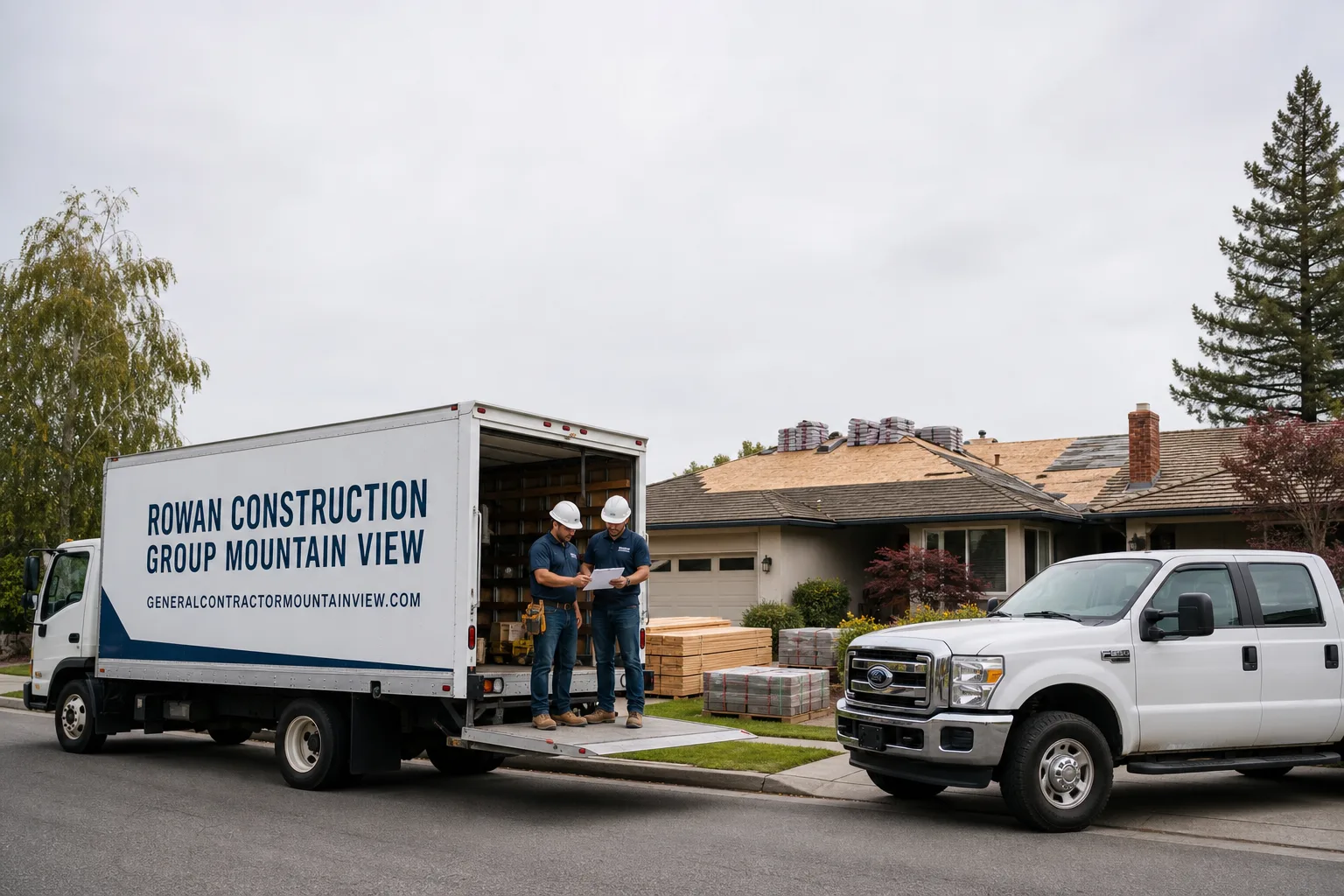
Free written scope consultation - allowances, timeline, and change-order rules on paper before a single trade is scheduled
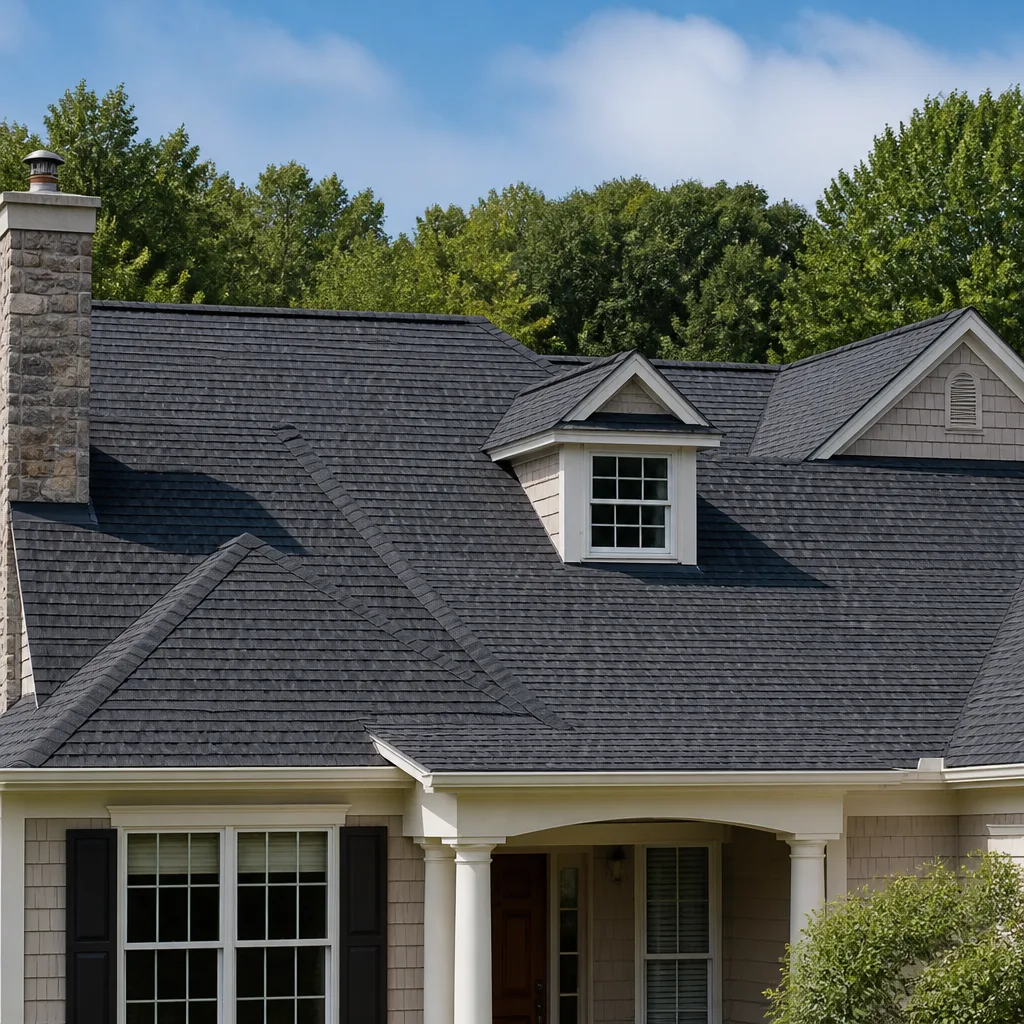
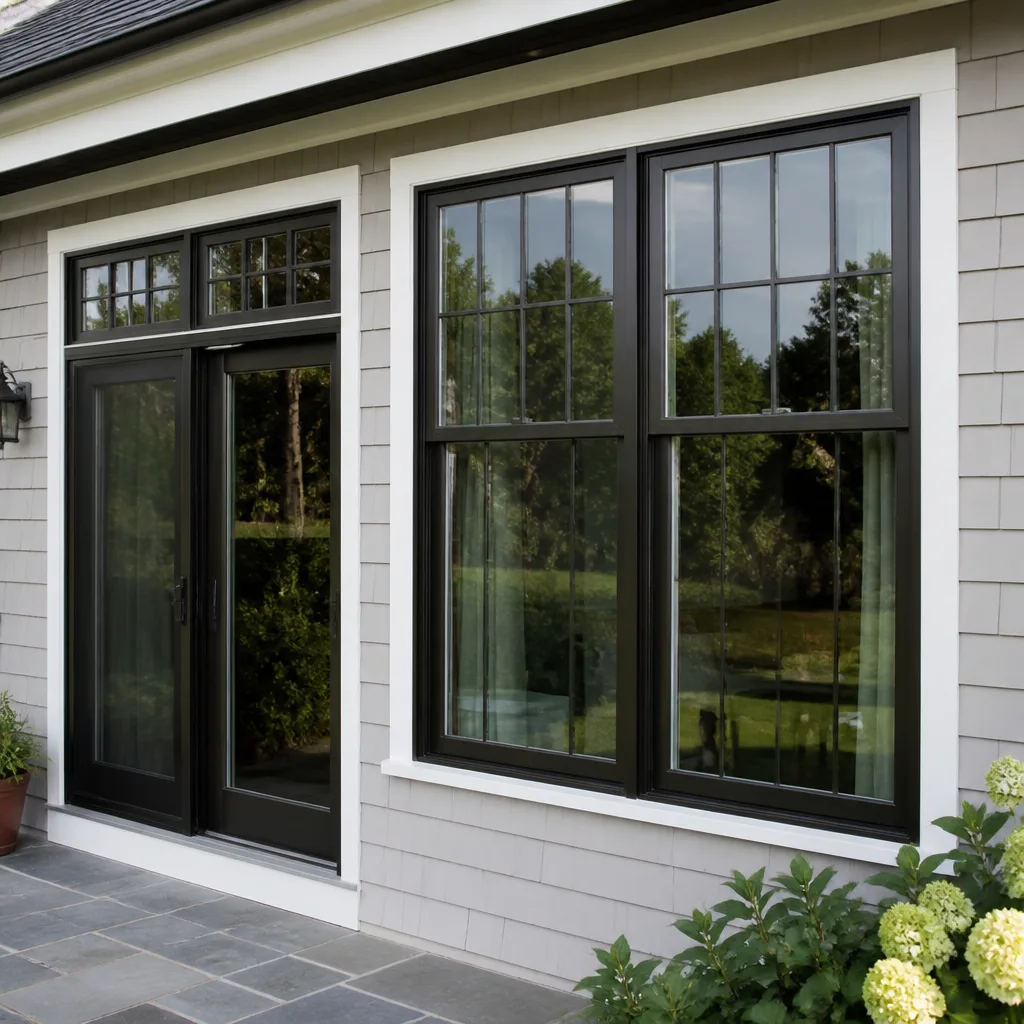
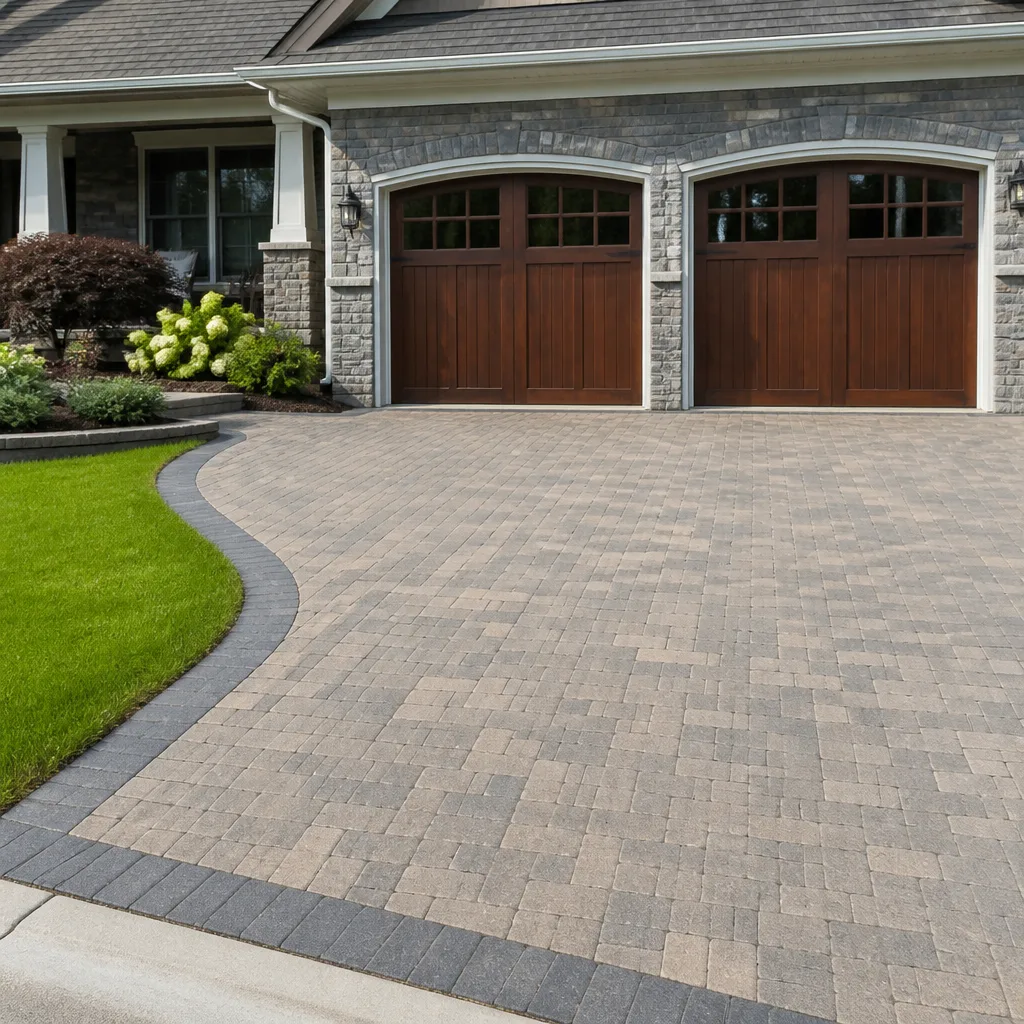
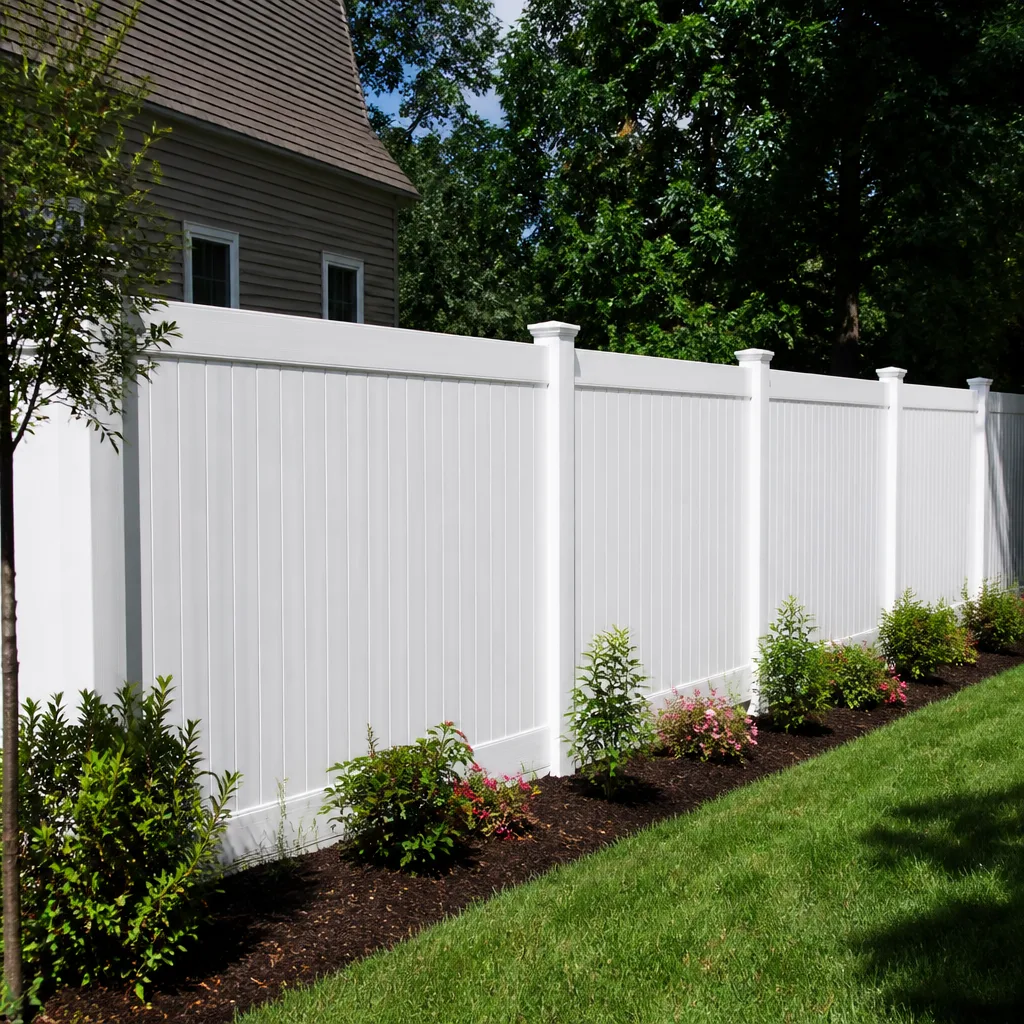
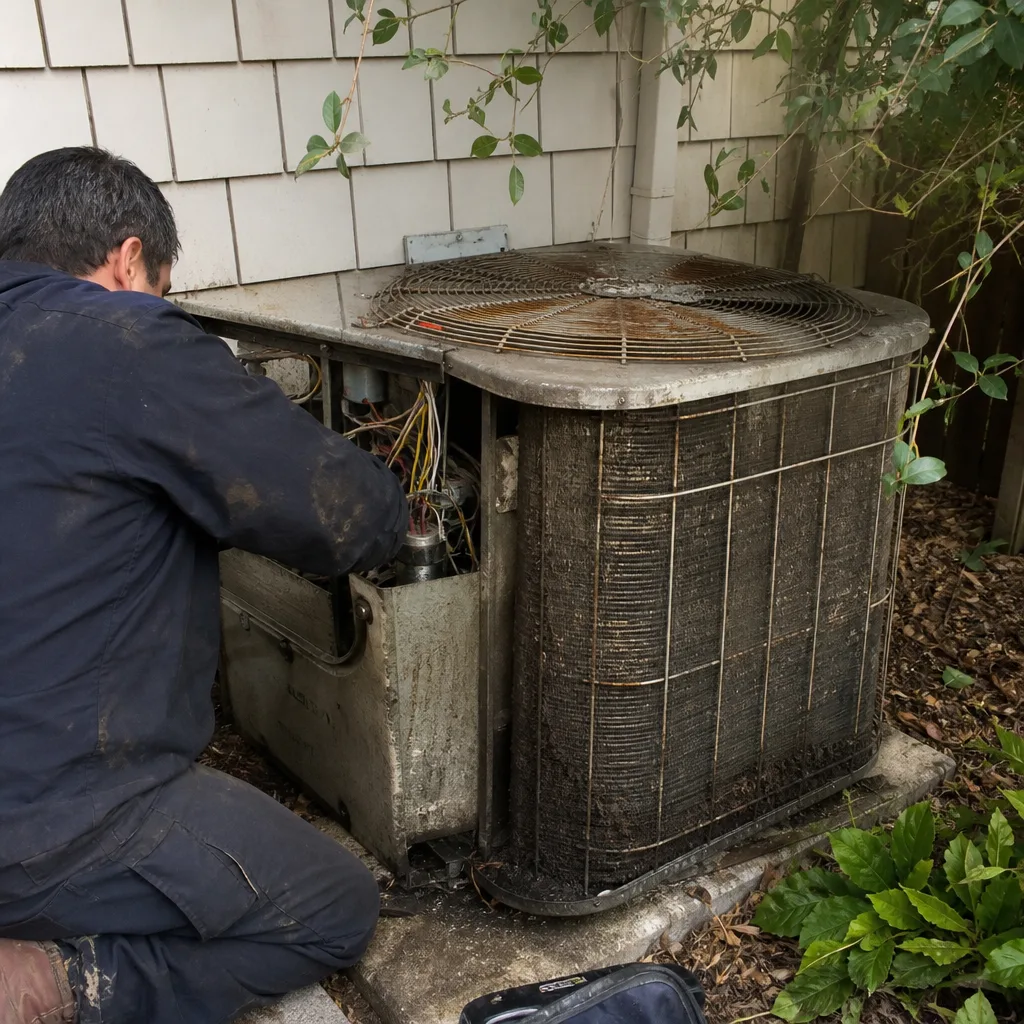 Before
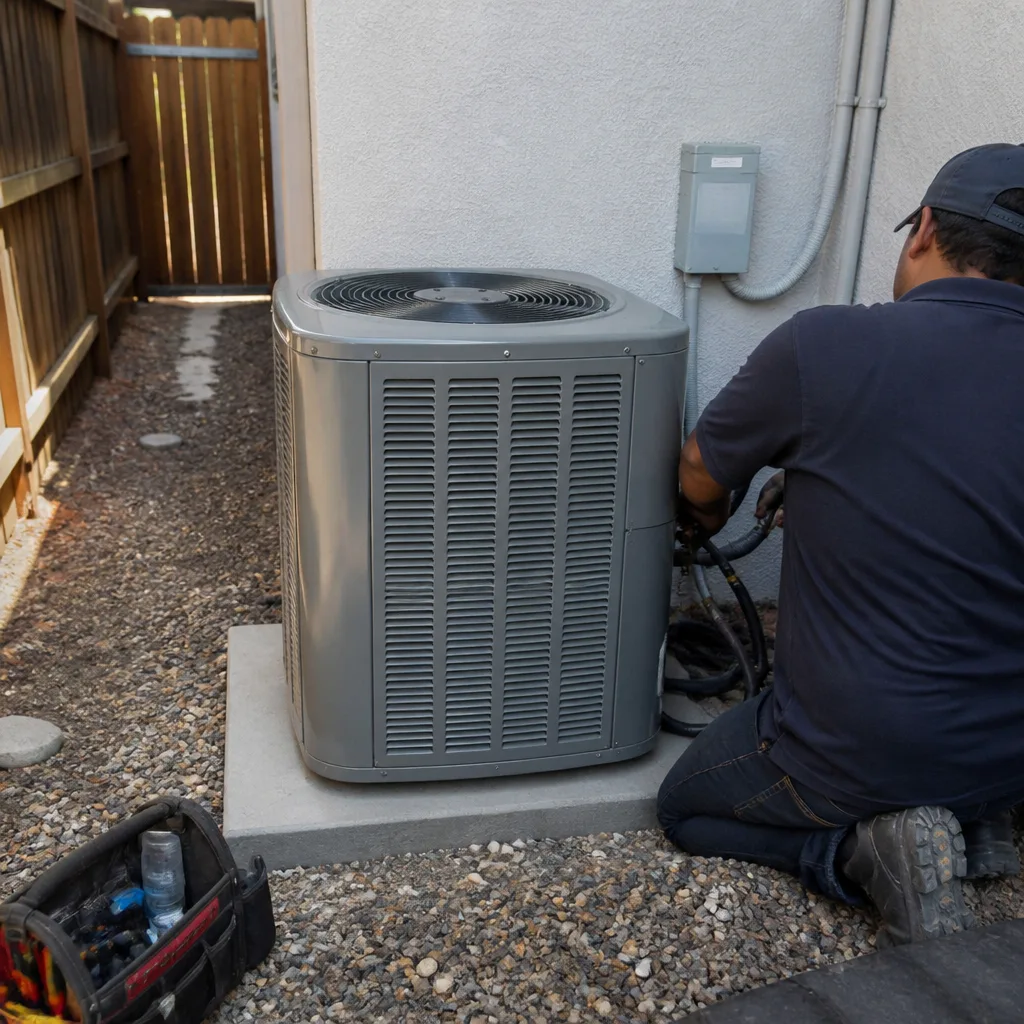 After
After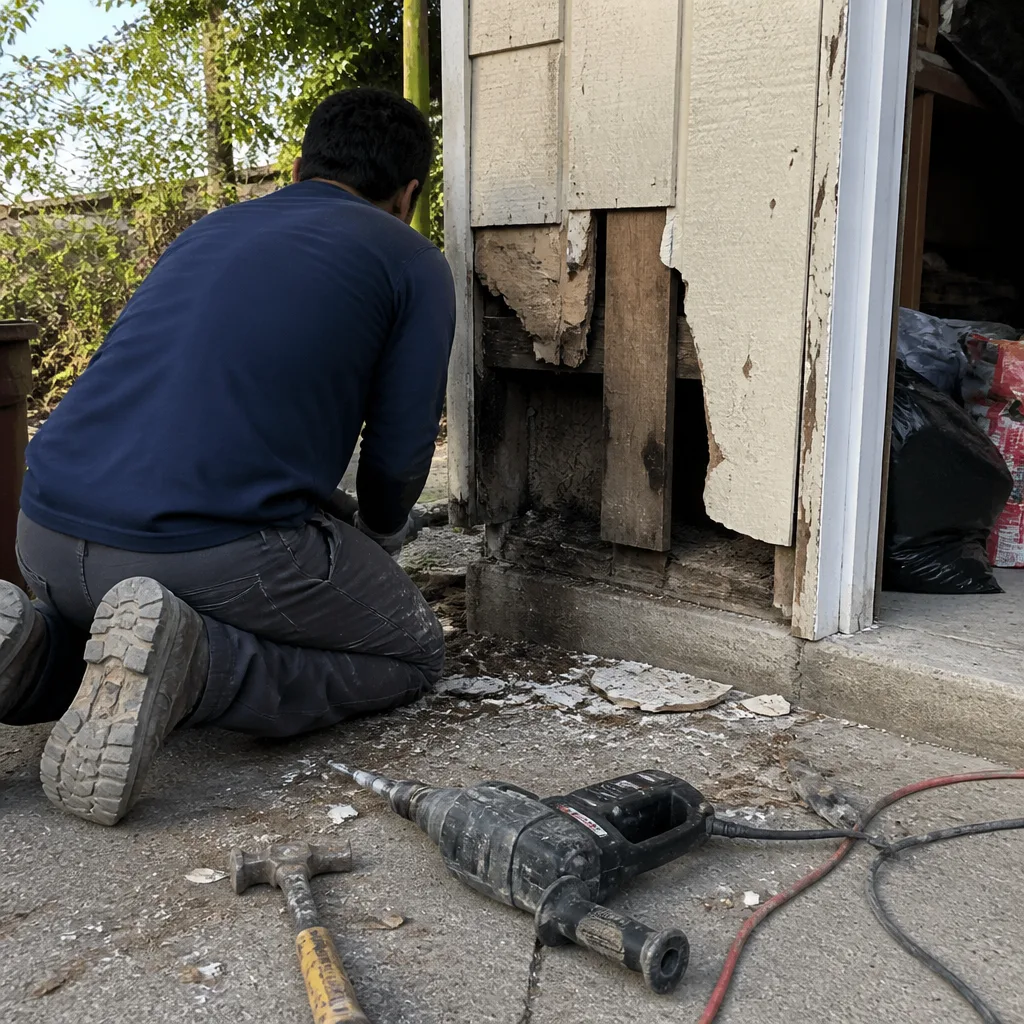 Before
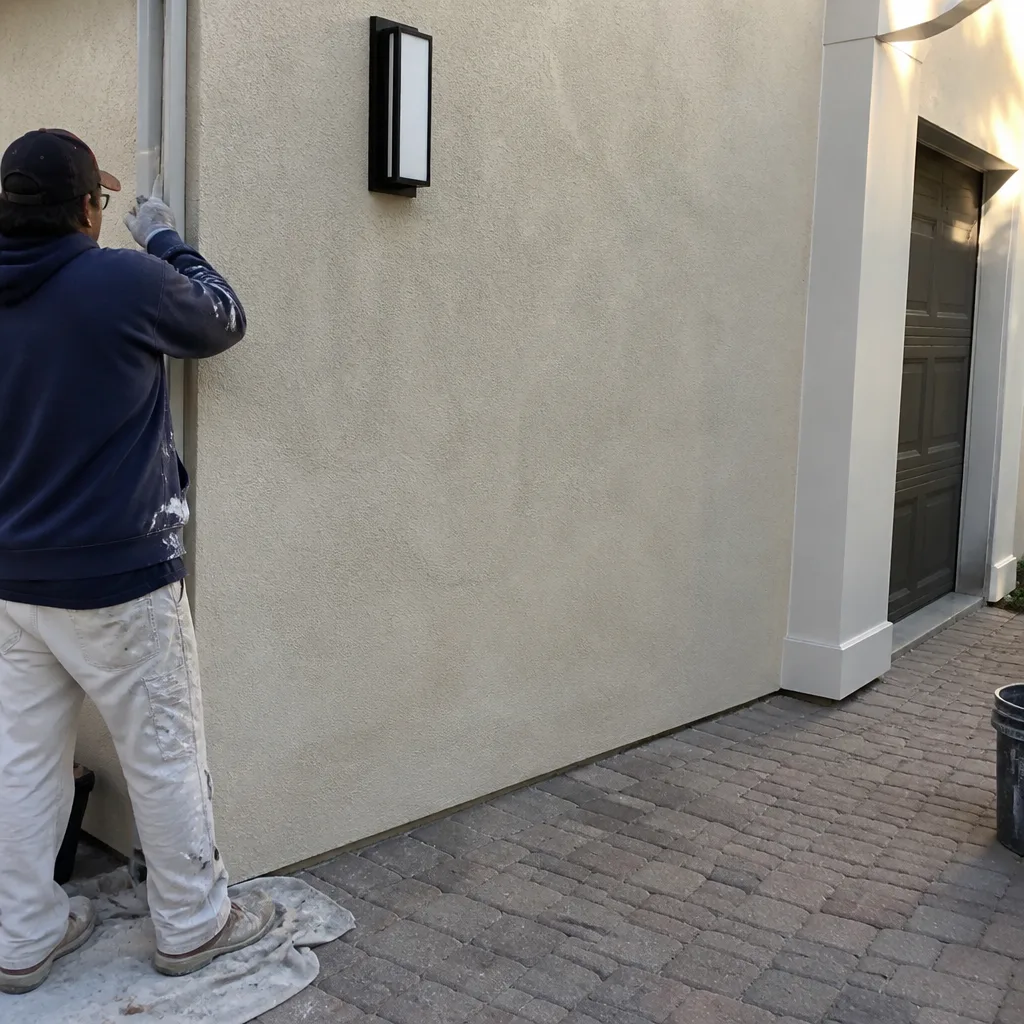 After
After Before
 After
AfterHow Much Does Metal Roof Installation Cost in Mountain View?
Metal roof installation in Mountain View, CA typically costs between $15,000 and $40,000 for a standard single-family home, with most projects landing in the $18,000-$28,000 range depending on roof size, panel profile, and the condition of the existing substrate. That wide spread is real - a 1,400-square-foot low-slope ranch in Waverly Park will price out differently than a steeply pitched 2,800-square-foot home in the Cuesta Park neighborhood, and the materials alone can account for a $10 per square foot difference. Under Clause 1 of the Haven Standard, Rowan Construction Group delivers a written flat price and a written scope before any crew arrives - so that range narrows to a single number on your quote sheet, not an estimate that grows at the invoice stage.
For a quick comparison: a conventional Metal Roof Installation in Mountain View using a standing-seam steel system runs $18-$30 per installed square foot in the current Bay Area labor and materials market. Aluminum and copper profiles run higher. Exposed-fastener corrugated panels run lower. The sections below break all of it out by line item so you can see exactly where your project lands before you call anyone.
Metal Roof Installation Cost Breakdown (2026)
Metal roof pricing has three main buckets: materials (the panels, fasteners, underlayment, and trim), labor (tear-off, deck inspection, and installation), and incidentals (permits, disposal, flashing, and ventilation upgrades). The table below reflects current Mountain View market rates - these are the numbers we write into quotes, not ballpark figures pulled from national aggregators that don’t account for Santa Clara County permit fees or Bay Area prevailing wage rates.
| Cost Component | Low End | High End | Notes |
|---|---|---|---|
| Standing-seam steel panels (materials only) | $6.50/sq ft | $12/sq ft | Kynar 500 finish adds ~$1.50/sq ft; thicker 24-gauge adds ~$2/sq ft over standard 26-gauge |
| Aluminum panel system (materials only) | $9/sq ft | $16/sq ft | Better corrosion resistance near the coast; worth specifying for homes closer to the Bay |
| Exposed-fastener corrugated steel (materials only) | $3.50/sq ft | $6/sq ft | Lower cost but more maintenance touchpoints over time; fastener seals need periodic inspection |
| Synthetic underlayment (materials only) | $0.40/sq ft | $0.90/sq ft | GAF or Owens Corning synthetic preferred over felt for metal applications; better moisture management |
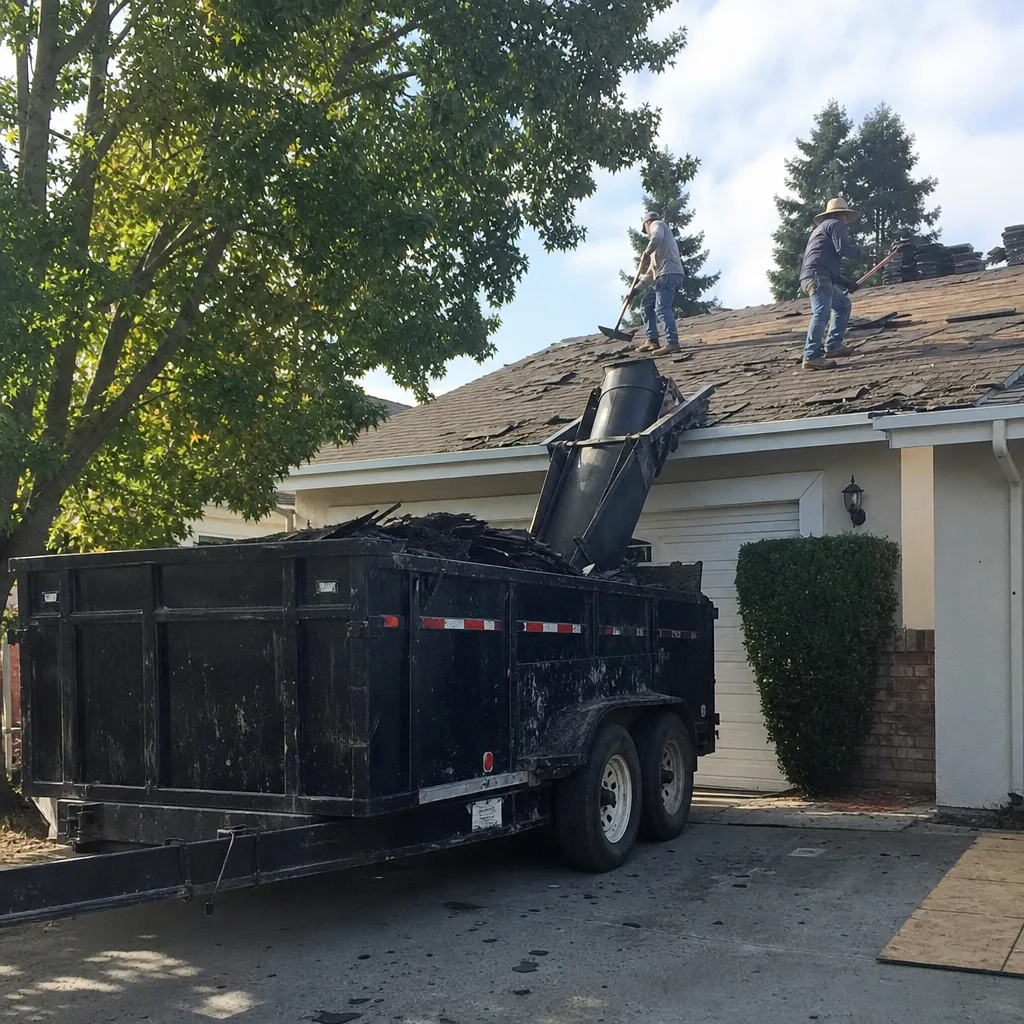
| Tear-off and disposal (one layer) | $1,200 | $3,500 | Adds $800-$1,800 per additional existing layer; landfill disposal fees in Mountain View run higher than Central Valley |
| Deck inspection and repair | $400 | $2,500 | Homes in the Monta Loma and Rengstorff neighborhoods with original 1960s sheathing sometimes show delamination; scope determined after tear-off |
| Installation labor | $5/sq ft | $9/sq ft | Steep pitch (7:12 and above), complex hip-and-valley layouts, and skylights all push labor toward the higher end |
| Flashing, trim, ridge caps, and sealants | $800 | $3,200 | More penetrations (chimneys, pipes, solar conduit) mean more flashing; copper flashing adds cost but outlasts aluminum significantly |
| Santa Clara County building permit | $500 | $1,400 | Mountain View requires a permit for full roof replacement; fee scales with declared project valuation |
| Ventilation upgrades (ridge vent, baffles) | $600 | $2,000 | Often flagged during inspection; metal roofs trap more heat without proper attic ventilation in the Bay Area’s warm summers |
| Typical total project range | $15,000 | $40,000 | Most Mountain View homes fall between $18,000 and $28,000 |
What Pushes a Project Toward the High End
The gap between $15,000 and $40,000 is not random. A project lands near the top when several cost drivers stack at once: a home above 2,500 square feet with a complex roofline (multiple ridges, dormers, skylights), a substrate that needs partial replacement after tear-off, and a premium material choice like a 24-gauge Kynar-coated standing-seam system from a manufacturer like Sheffield Metals or Drexel Metals. Permitting in Mountain View adds real cost too – the City’s development fee schedule has increased over the last three years, and any project that triggers a plan-check review adds a few weeks and a few hundred dollars to the timeline.
What Pulls a Project Toward the Low End
Smaller footprints, simpler gable rooflines, and a clean substrate after tear-off bring projects toward the $15,000-$18,000 range. Choosing a 26-gauge exposed-fastener steel panel instead of a standing-seam system is the single biggest material lever – it can save $4,000-$8,000 on a mid-size roof, though it comes with a longer-term maintenance commitment that’s worth understanding before you choose it. We explain the trade-offs in the written scope so the customer isn’t surprised by it three years later.
What Affects Metal Roof Installation Pricing in Mountain View
- Roof size and pitch: Pricing is calculated per installed square foot, so a 1,600-square-foot footprint with a 6:12 pitch involves more actual roof surface than it looks like from the ground. Steeper pitches above 7:12 also require additional safety equipment and slower installation, which shows up in labor cost. Homes in the Old Mountain View and Castro Street historic neighborhoods frequently have steeper Craftsman-style pitches than mid-century ranch homes in Monta Loma.
- Panel profile and metal gauge: Standing-seam concealed-fastener systems cost more to fabricate and install than exposed-fastener corrugated panels, but they eliminate a maintenance point that matters on a roof meant to last 40-70 years. Gauge matters too: 24-gauge steel is meaningfully stiffer than 26-gauge and holds up better under the occasional hail or debris event, even in a mild climate like Mountain View’s.
- Existing roof condition and layer count: Mountain View’s building code mirrors California’s Title 24 requirements and limits roof layers – most reroof projects require a full tear-off. If the crew finds rotted sheathing, delaminated OSB, or deteriorated fascia boards under the old material, the written scope gets a signed change order before any additional work begins. We’ve seen older homes in the Rex Manor neighborhood with up to two layers of aged asphalt shingles over original board sheathing, which adds both tear-off labor and potential deck repair cost.
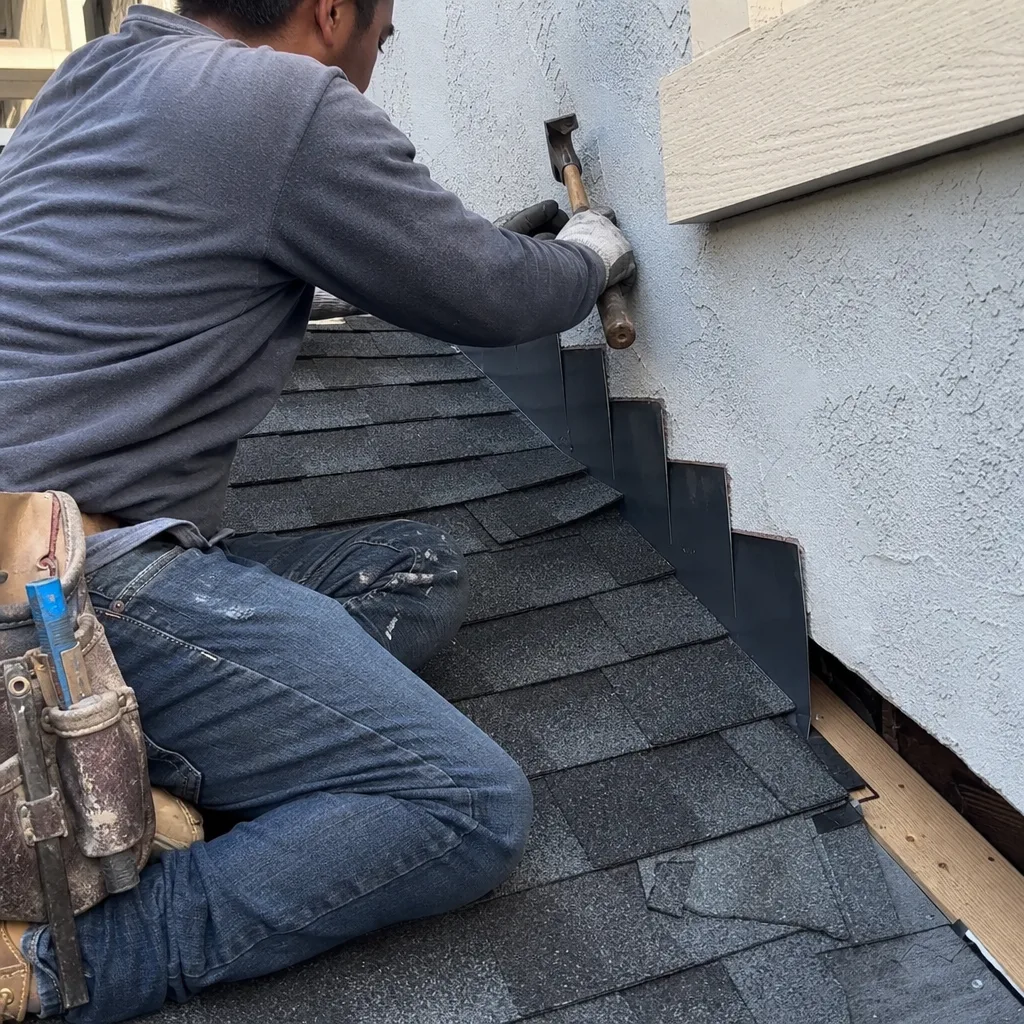
- Complexity of the roofline: A simple gable roof with no penetrations is the fastest and cheapest configuration. Every skylight, chimney, pipe penetration, HVAC curb, or solar conduit sleeve adds custom flashing work – and flashing done poorly on a metal roof is where the leaks eventually come from. Mountain View homes that have added solar arrays in the last decade often have multiple roof penetrations that need careful waterproofing detail work during a metal roof transition.
- Local permit and inspection requirements: The City of Mountain View requires a building permit for any full roof replacement, and the inspection process adds a few days to the project timeline. We handle permit filing as part of our written scope – the permit fee is a line item on your quote, not a post-project surprise. Projects that require structural review (some older homes with rafters at wider-than-standard spacing) can add to the timeline and cost.
- Bay Area labor market: Santa Clara County labor rates run significantly higher than the state average, and metal roofing requires a more specialized skill set than standard asphalt shingle work. Contractors who quote metal roofs at asphalt prices are either using less-experienced crews or planning to make it up somewhere in the change-order process. The written flat price from Rowan includes the labor rate for the appropriate skill level, and it doesn’t change after the first nail goes in without a signed change order.
- Material lead times and supply chain: Custom-length standing-seam panels are roll-formed to the specific dimensions of your roof, which means lead times of one to three weeks depending on the manufacturer. Scheduling during Mountain View’s dry season (May through October) is both practical – rain risk is lower – and in high demand, so some premium material SKUs can have tighter lead windows than in winter. We confirm lead time from the supplier before the written scope is finalized so the project start date on your quote is realistic.
 Before
 After
AfterMetal Roof vs. Asphalt Shingles: Is the Price Difference Worth It in Mountain View?
The upfront cost of metal in Mountain View runs roughly $7,000-$18,000 more than a comparable asphalt shingle roof replacement, which typically costs $8,000-$20,000 for a standard home. That gap is real and worth thinking through honestly.
Mountain View’s climate tilts the math toward metal more than it would in, say, a high-rainfall Pacific Northwest market. The Bay Area’s extended dry seasons reduce the moss and algae growth that shortens asphalt shingle life in coastal-humid areas, but the UV exposure and occasional high-heat stretches do degrade shingle granules over time. A quality GAF or Owens Corning architectural shingle system installed today has a realistic service life of 20-30 years in Mountain View’s climate. A 24-gauge Kynar-coated steel standing-seam roof, properly installed and flashed, is reasonably expected to reach 50 years.
If you plan to stay in the home for 20-plus years, the per-year cost difference narrows considerably. If you’re 5-10 years from selling, asphalt is probably the financially rational choice unless the metal roof is a specific selling point to your buyer profile. We’ll run both numbers on request – it’s part of our free estimate process, not an upsell conversation.
One point that rarely shows up in online comparisons: metal roofs in Mountain View’s wildland-urban interface zones (the foothills neighborhoods near the county border) carry a Class A fire rating that can affect homeowners insurance premiums. That’s worth a call to your insurer before you decide.
How to Save on Metal Roof Installation in Mountain View
There’s a short list of things that actually move the number, and a longer list of things that sound like savings but create bigger costs later. Here’s what’s real:
- Get a second opinion on any existing written estimate. Rowan’s standing offer is a free line-by-line review of any competitor’s quote. We’ll show you what each line item covers, whether the scope is complete, and where the numbers compare to current Mountain View market rates. No obligation and no sales pressure – if the other quote is fair and complete, we’ll say so. Call (669) 215-4852 to set it up.
- Choose a simpler panel profile where it fits the aesthetic. On a utilitarian outbuilding, garage roof, or low-visibility rear slope, an exposed-fastener corrugated steel panel can cost $4,000-$8,000 less than a standing-seam system on the same square footage, with no meaningful performance compromise for that application. We’ll tell you where this makes sense and where it doesn’t.
- Schedule in the off-peak window. Late October through February is typically slower for roofing in Mountain View, and material lead times are shorter. We don’t offer “seasonal discounts” as a marketing tactic, but project scheduling is more flexible in winter, which sometimes allows for a tighter timeline and fewer scheduling-premium add-ons.
- Don’t defer a substrate issue found at tear-off. The instinct to skip a deck repair to save money today reliably results in a larger repair bill within three to five years, often requiring panel removal to access the sheathing. When the crew finds a problem during tear-off, the signed change order process means you see the scope and cost in writing before they proceed – and you can ask questions before approving it.
- Consolidate work where it makes sense. If the fascia, soffit, or gutters are at or near end of life, replacing them during the same project saves on mobilization cost – one crew, one permit cycle, one set of staging. We’ll note any adjacent work that’s worth considering in the written scope, clearly separated so you can approve or decline each item.
- Understand what the warranty actually covers. A 40-year manufacturer warranty on metal panels is not the same as a 40-year workmanship warranty. The Haven Standard’s 365-Day Done Right Promise covers workmanship – if something we installed isn’t right, we make it right within that period. The written scope includes both the manufacturer warranty terms and the workmanship coverage, spelled out in plain language.
For a written estimate on your specific home, call (669) 215-4852. The estimate is free, it comes with a written scope, and the number on the page is the number on the invoice – that’s not a slogan, it’s the process Rowan has used on every project since 2007.
FAQs: Metal Roof Installation Cost in Mountain View
How much does metal roof installation cost in Mountain View, CA?
Metal roof installation in Mountain View costs between $15,000 and $40,000 for a typical single-family home, with most projects landing in the $18,000-$28,000 range. The spread is driven primarily by roof size (measured in square feet of actual roof surface, not just footprint), panel profile (standing-seam vs. exposed-fastener), metal gauge, and substrate condition discovered at tear-off. For a home with a straightforward gable roofline in the 1,400-1,800 square foot range, a mid-range 26-gauge standing-seam steel system including tear-off, permit, underlayment, and labor typically comes in between $19,000 and $24,000 in the current Mountain View market. Call (669) 215-4852 for a written flat price specific to your address.
How long does a metal roof last in the Bay Area climate?
A properly installed 24-gauge Kynar-coated steel standing-seam roof is engineered to last 50 years or more in Mountain View’s climate. The Bay Area’s relatively mild, dry weather is actually favorable for metal roof longevity – there’s minimal freeze-thaw cycling, moderate UV load compared to inland desert markets, and no severe hail history that would compromise the panel surface. Aluminum panels add corrosion resistance for homes closer to the Bay’s salt air. Exposed-fastener systems have a shorter effective lifespan because the fastener seals are a maintenance point – plan for inspection every 8-12 years on those systems. The installed product’s warranty terms and expected maintenance schedule are spelled out in Rowan’s written scope before the project starts.
Does Mountain View require a permit for metal roof installation?
Yes. The City of Mountain View requires a building permit for any full roof replacement, including metal roof installation. The permit fee typically runs $500-$1,400 depending on the declared project valuation and whether the project triggers a plan-check review. Rowan files the permit as part of the project scope – the fee is a named line item on the written quote, not a cost added after the fact. Projects that involve structural changes, such as replacing rafters or modifying the roof deck for a different load profile, may require additional plan review. We flag those conditions in the written scope before work begins.
Is it cheaper to repair an existing metal roof or replace it?
Repair is almost always cheaper in the short term – a targeted metal roof repair in the Mountain View market typically runs $400-$1,800 depending on the scope. But that math changes if the existing system has widespread fastener corrosion, panel seam failures, or underlayment deterioration across more than 25-30% of the surface. At that point, repeated repairs accumulate cost faster than a planned replacement, and the labor mobilization for each repair visit adds up. Rowan offers a documented inspection with photos of what was found, so the decision is based on actual substrate condition rather than a sales conversation. If repair is the right call, we’ll say so and quote the repair.
How long does metal roof installation take for a typical Mountain View home?
Installation on a standard 1,500-2,000 square foot Mountain View home typically runs three to six working days: one day for tear-off and debris disposal, one day for deck inspection and any substrate repair, and two to three days for panel installation, flashing, and trim work. Standing-seam systems with custom-rolled panels have a lead time of one to three weeks before the installation window begins. The written scope includes a start date and a projected completion window – both based on the actual panel lead time confirmed with the manufacturer before the quote is finalized. Complex rooflines, permit delays, or substrate repairs discovered at tear-off can extend the timeline; any scope change goes through a signed change order before it affects the schedule or the cost.
How does Rowan’s pricing process work for metal roof installation?
Under Clause 1 of the Haven Standard, a written flat price with a written scope is delivered before anyone picks up a tool. The quote is a fixed number – not a range, not “subject to site conditions” – for the work described. If the crew finds a condition at tear-off that changes the scope (rotted sheathing, an unexpected layer of old roofing, a deteriorated fascia board), a signed change order is required before any additional work proceeds. That single process – flat written price, signed change order for any change – is the reason Rowan’s projects have finished within a few percent of the agreed cost across more than 4,000 jobs since 2007. The documented photo record from the inspection and every visit is included as a standard deliverable: you’ll see exactly what the crew found and what they did, in writing and images, when the job is done.
Key Takeaways
- Metal roof installation in Mountain View costs $15,000-$40,000, with most homes landing in the $18,000-$28,000 range.
- The biggest cost drivers are roof size, panel profile (standing-seam vs. exposed-fastener), metal gauge, and substrate condition found at tear-off.
- The City of Mountain View requires a building permit for all full roof replacements; permit fees run $500-$1,400.
- Bay Area labor rates run above the national average – quotes priced at national aggregate figures typically don’t reflect what a properly permitted, code-compliant installation costs here.
- A 24-gauge Kynar-coated standing-seam steel roof is designed to last 50 years in Mountain View’s climate; asphalt shingles realistically reach 20-30 years.
- Rowan’s written flat price is the number on the invoice. No change proceeds without a signed change order.
- The 365-Day Done Right Promise covers workmanship. The Free Second Opinion offer is standing – bring a competitor’s quote and Rowan will review it line by line at no charge.
Get a Written Price for Your Mountain View Home
Grant Rowan and the team at Rowan Construction Group have delivered more than 4,000 projects with a written price before any work started and a documented photo record when the crew left. If you’re comparing metal roof quotes in Mountain View or anywhere in the surrounding area, we’ll review any written estimate you have at no charge – line by line, with an honest read on whether the scope is complete and the numbers are current for this market.
To get a written flat-price estimate for your home, call (669) 215-4852. A live person answers, and the estimate is free. The quote will include a written scope, permit line item, material specifications with named brands, and a project timeline confirmed against actual lead times – not a ballpark calendar. That’s how every Rowan project starts, from a home renovation to a full metal roof replacement.
Written by Grant Rowan, Owner at Rowan Construction Group Mountain View, serving Mountain View, CA since 2007.
Pricing reflects the Mountain View market as of 2026. Rowan Construction Group Mountain View offers free estimates – call (669) 215-4852.
What Our Customers Say
"Final invoice was within two percent of the contract. Every change was priced and signed before anyone picked up a tool."
- Malcolm T."Solid work, decent crew, and the site was left tidy every evening."
- Pearl A."Driveway replaced properly with a base that will actually last. They explained why the cheaper quote was cheaper."
- Reggie O.