
Free written scope consultation - allowances, timeline, and change-order rules on paper before a single trade is scheduled
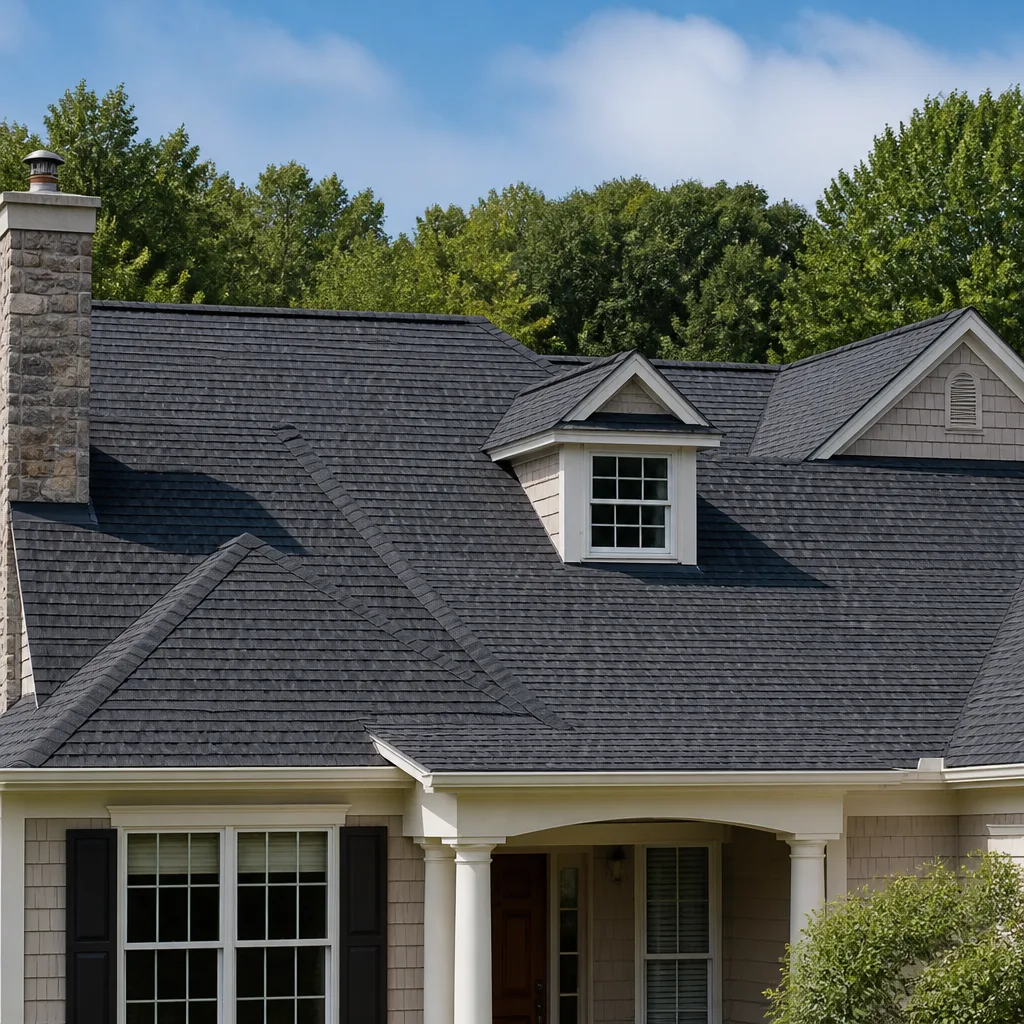
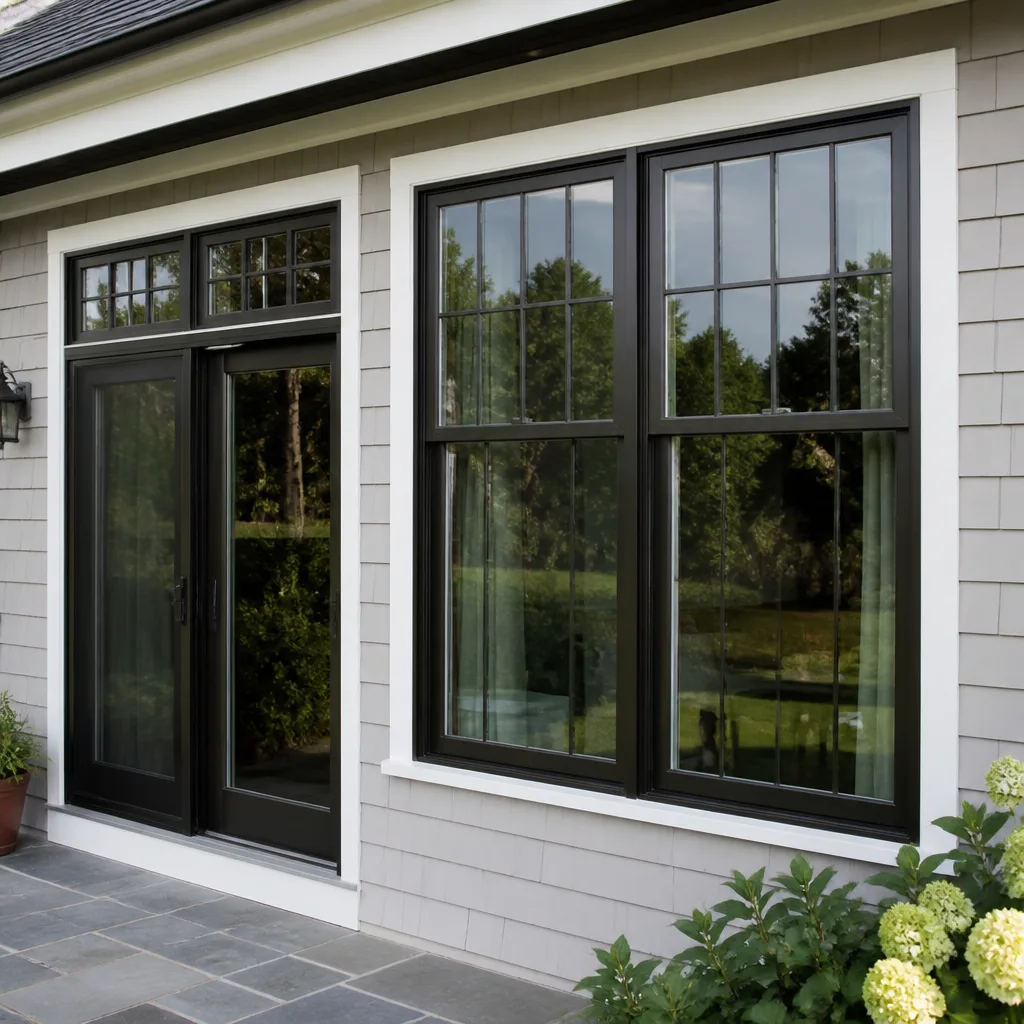
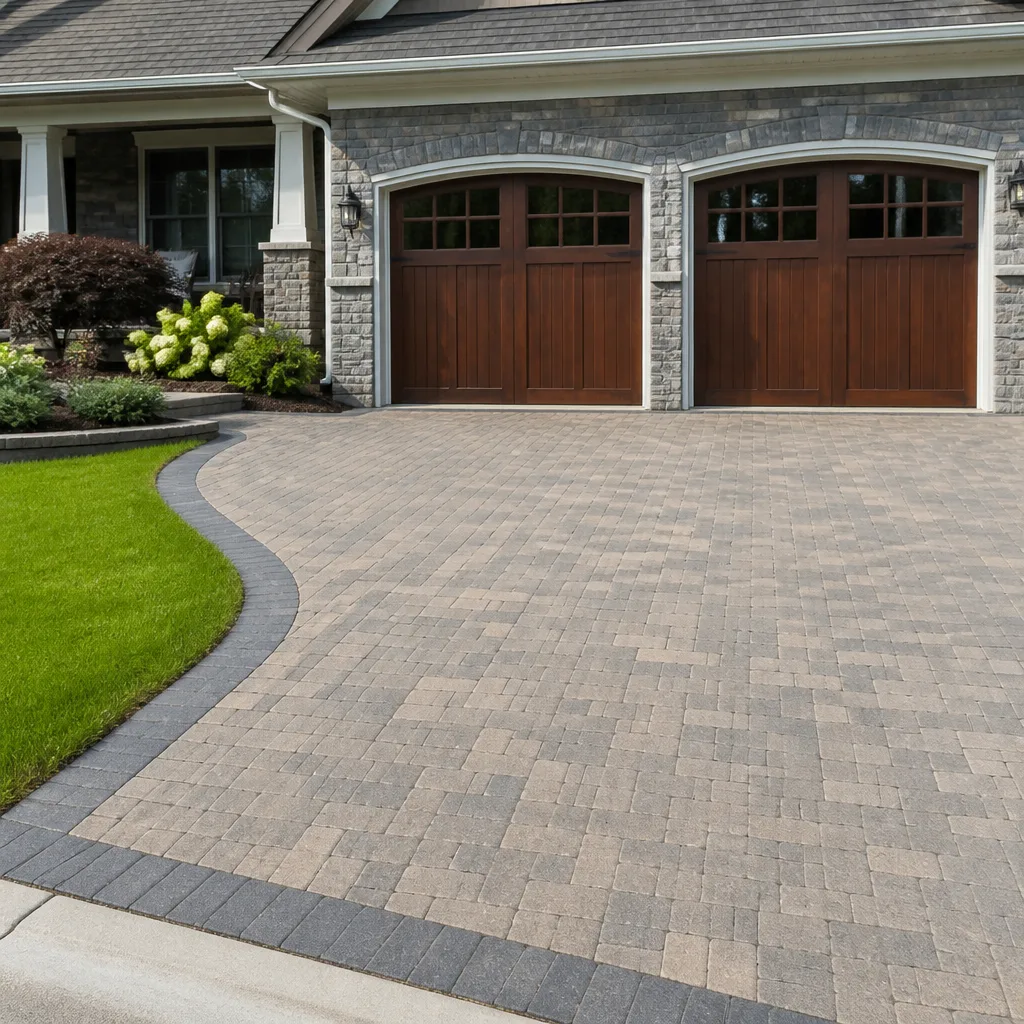
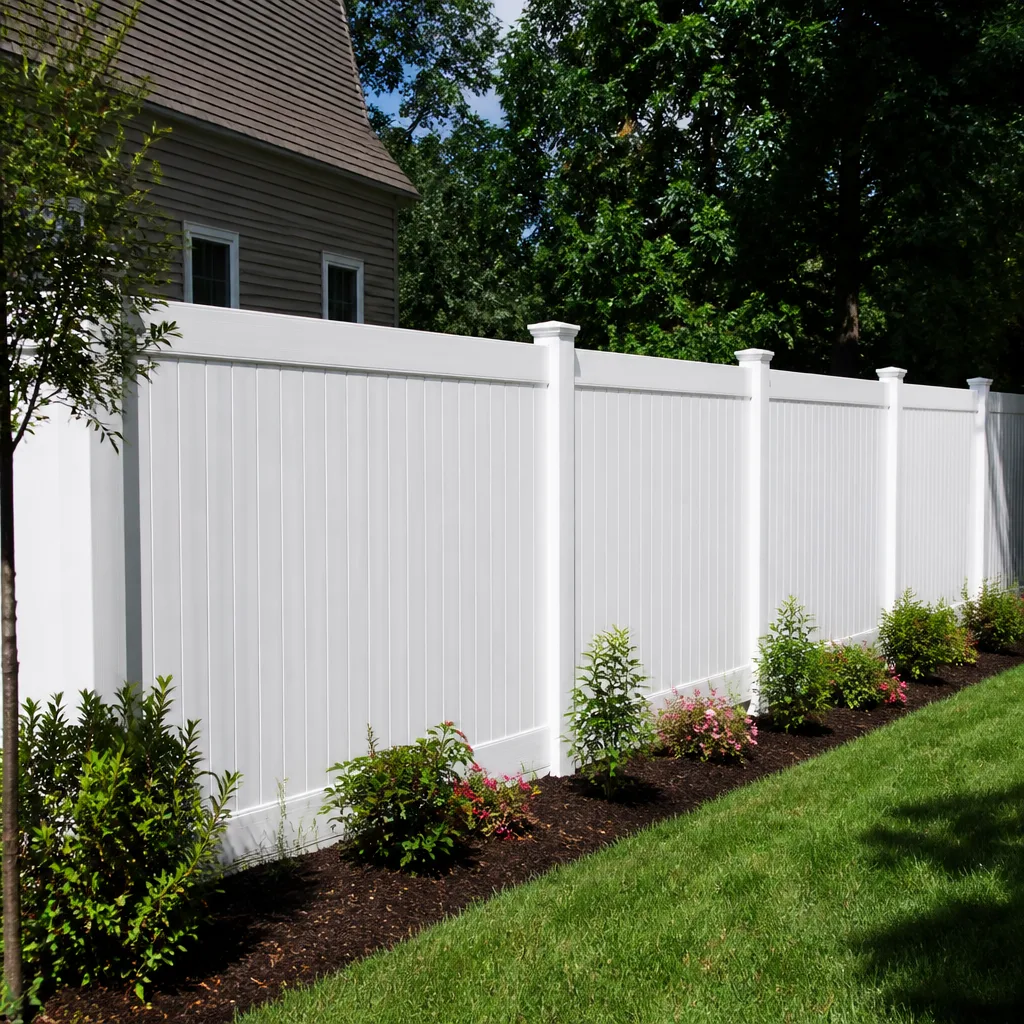
 Before
 After
After Before
 After
After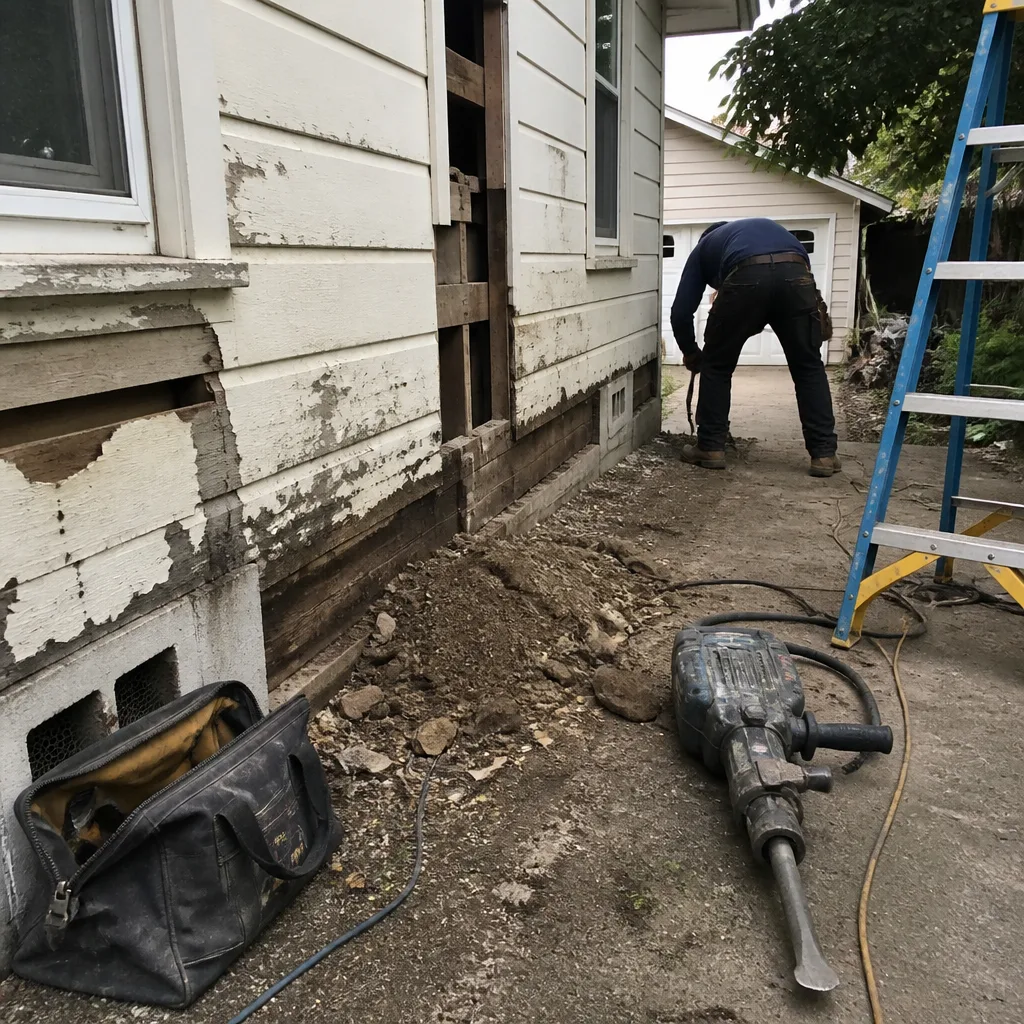 Before
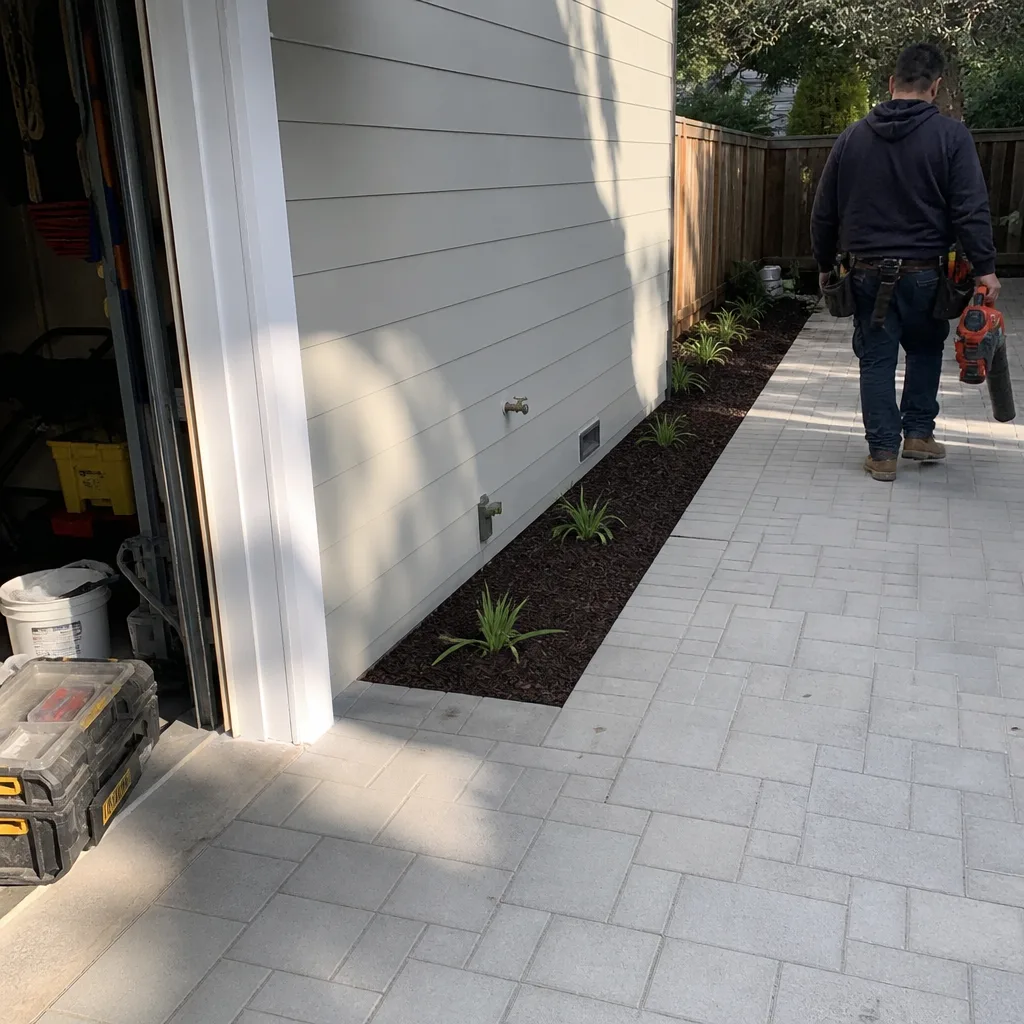 After
AfterHow Much Does Glass Railing Installation Cost in Mountain View?
Glass railing installation in Mountain View, CA typically costs between $150 and $400 per linear foot, installed – putting a standard 40-linear-foot deck or stair railing in the $6,000-$16,000 range for most residential projects. The wide spread comes down to three things: the glass system you choose (frameless versus semi-frameless versus post-and-panel), the substrate your installer is working with, and whether Mountain View’s permit process requires engineer-stamped drawings for your specific site.
Glass Railing Installation Cost Breakdown (2026)
Glass railing pricing in Mountain View breaks down by system type more than by any other single factor. Here are the installed cost ranges Rowan Construction Group sees consistently across the local market in 2026:
| System Type | Cost Per Linear Foot (Installed) | Typical Total (40 LF Project) |
|---|---|---|
| Post-and-panel (aluminum posts, tempered glass panels) | $150-$210 | $6,000-$8,400 |
| Semi-frameless (spaced metal posts, minimal framing) | $190-$270 | $7,600-$10,800 |
| Frameless standoff / spigot system | $250-$340 | $10,000-$13,600 |
| Full frameless channel-base (base shoe) system | $300-$400 | $12,000-$16,000 |
| Custom curved or corner glass sections | $380-$550+ | Varies by design |
Line-Item Cost Components
- Glass panels: $60-$140 per square foot for tempered glass; laminated glass (required in some locations by California Building Code Section R301) runs $90-$180 per square foot
- Hardware and mounting system: $40-$120 per linear foot depending on system type – stainless spigots cost more than powder-coated aluminum posts
- Labor: $55-$90 per linear foot in Mountain View; high-rise or steeply-pitched deck conditions add to this
- Handrail (top cap): $18-$45 per linear foot for stainless steel or aluminum top cap; wood cap is at the lower end
- Permit and inspection fees: Mountain View’s Community Development Department currently charges permit fees based on project valuation; plan on $300-$700 for a standard residential railing permit, plus plan check
- Structural reinforcement: $500-$2,500 if existing deck framing or concrete needs blocking, ledger bolting, or core drilling to accept the glass mounting system
What Drives Cost Up or Down
The single biggest swing factor in Mountain View is substrate condition. Homes in the Cuesta Park and Old Mountain View neighborhoods often have decks built in the 1960s and 1970s with deck ledgers that weren’t designed for the point loads a glass railing system places on the structure. When we pull back the existing railing on those projects, we frequently find rot in the rim joist or inadequate ledger bolting – both of which have to be corrected before any glass system can be installed safely. That remediation adds cost, but skipping it isn’t an option under California’s railing load requirements, which mandate railings resist 200 pounds of lateral force per the 2022 California Residential Code.
Glass specification matters too. Standard tempered glass in a 3/8-inch thickness works for many residential applications, but Mountain View’s coastal-influenced microclimate – the marine layer that rolls in from the Bay on summer evenings – means hardware finish longevity is worth thinking about. Marine-grade 316 stainless steel spigots and hardware cost more than standard 304 stainless, but they hold up to the salt air and condensation cycles you get in the lower-elevation parts of the city near Shoreline. If you’re in the Waverly Park area at the base of the foothills, you have more flexibility on hardware spec.
What Affects Glass Railing Installation Pricing in Mountain View
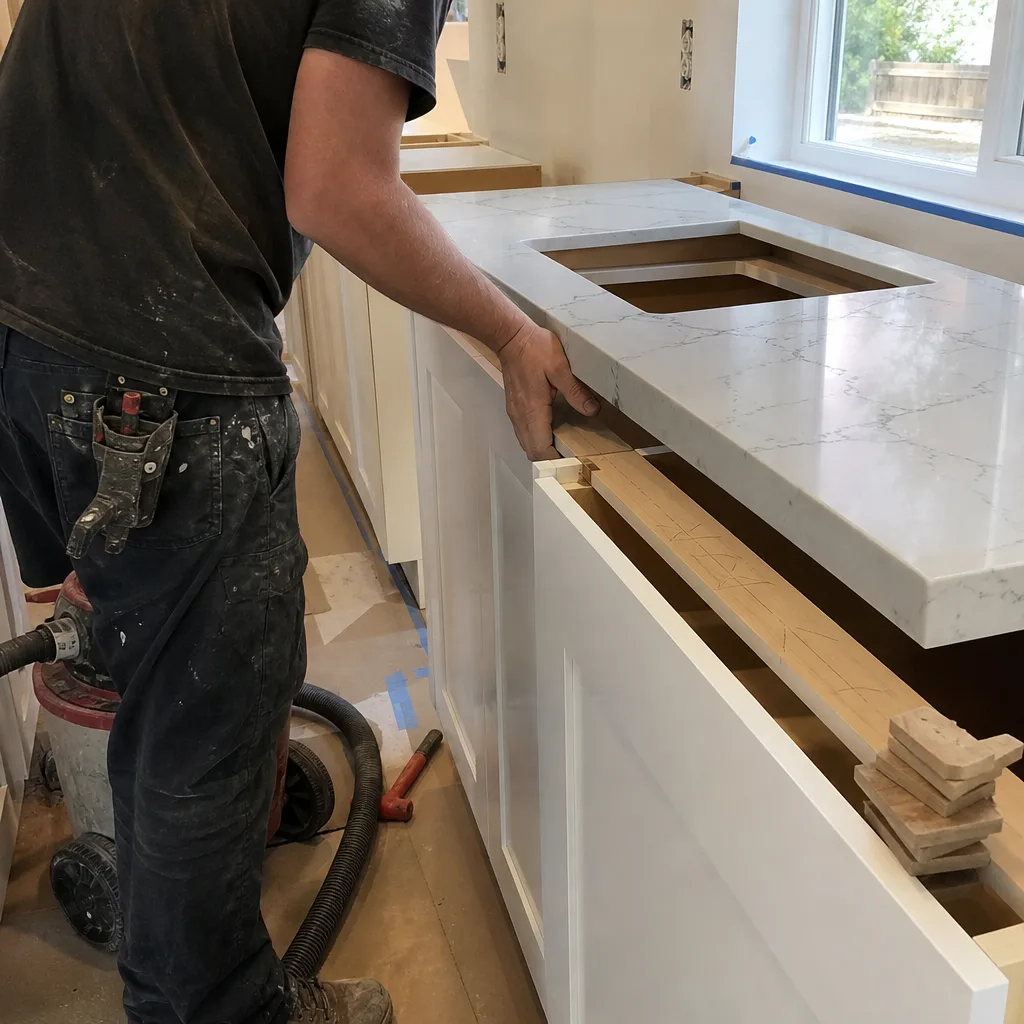
- System design – frameless vs. framed: A frameless channel-base or spigot system uses more glass surface area and fewer visible metal parts, which is what most Mountain View homeowners want for sight-line reasons. That clean look costs more in material and labor precision. Post-and-panel systems are structurally simpler and use less glass, so they’re priced lower – but they read visually as more traditional.
- Glass specification – tempered vs. laminated: California Building Code requires laminated glass in certain guardrail applications – specifically where the glass is the only barrier and a person could fall more than 30 inches. Laminated glass, which holds together if it breaks, costs roughly 30-50% more per square foot than standard tempered. Your permit drawings will specify which applies to your project.
- Linear footage and panel count: Longer runs with fewer corners and cuts are more efficient to install and quote. Stairs cost more per linear foot than flat deck sections because each panel must be cut to a custom rake angle, which adds fabrication time and waste.
- Substrate and structural conditions: Concrete decks and patios require core drilling and epoxy anchoring for the mounting hardware – typically $15-$30 more per linear foot than wood framing. Older wood decks may need blocking or joist sistering before the glass system can be attached to code.
- Mountain View permit requirements: Projects over certain valuation thresholds require full plan sets and sometimes engineer-stamped calculations to satisfy the Community Development Department. That adds $400-$1,200 to the project overhead, but it’s not something a responsible contractor can skip – and any contractor who suggests pulling no permit on a glass railing installation in Mountain View is creating a problem for you at resale.
- Access and site conditions: Rooftop deck projects – more common in Mountain View’s higher-density neighborhoods near Castro Street – add staging and lift costs. Work on sloped sites in the St. Francis Acres or Monta Loma neighborhoods sometimes requires scaffolding or extended setup time.
 Before
 After
AfterGlass Railing System Types: What You’re Actually Buying
Before comparing quotes, it helps to know what system type each contractor is actually specifying. Two bids that both say “glass railing installation” can describe very different products.
Post-and-Panel Systems
Metal posts – usually powder-coated aluminum or steel – are spaced every four to six feet, and glass panels are framed between them. This is the most common system on mid-range Mountain View deck projects. Posts are structural, so the glass itself doesn’t carry the load, which simplifies engineering. Costs run $150-$210 per linear foot installed.
Semi-Frameless Systems
Posts are still present but spaced farther apart, and the top cap typically runs the full length. The result is more visible glass, fewer interruptions. Brackets hold the glass to the posts rather than framing it completely. This is a good middle-ground system for homeowners who want a cleaner look without the full frameless price. Installed cost runs $190-$270 per linear foot in Mountain View.
Frameless Spigot and Standoff Systems
Individual glass panels are held by spigots – metal clamp-style brackets – anchored into the deck surface or fascia. There’s no continuous post or frame, so the view is as open as it gets. The glass itself bears more of the lateral load, which means engineering review is common and glass thickness requirements are stricter. These systems use 1/2-inch or 5/8-inch tempered or laminated glass. Installed cost in Mountain View runs $250-$340 per linear foot.
Frameless Base-Shoe (Channel) Systems
Glass panels are set into a continuous aluminum channel – called a base shoe – anchored along the deck edge. No visible posts at all. The top edge is either left open (if code permits), fitted with a stainless or wood top cap, or left as structural glass depending on height and load requirements. This system requires the most precise substrate leveling and the highest-quality glass fabrication. It’s what you see on high-end contemporary homes in the Los Altos Hills area and increasingly on Mountain View’s newer Eichler-adjacent remodels. Budget $300-$400 per linear foot installed.
Mountain View Permits for Glass Railings: What You Need to Know
Mountain View’s Community Development Department reviews railing permits under the 2022 California Residential Code (for single-family homes) or the 2022 California Building Code (for multi-family). Glass railings that serve as guardrails – meaning they prevent falls from an elevated surface – require a permit in nearly all cases. The key requirements:
- Guardrails on surfaces more than 30 inches above grade must be at least 36 inches high (42 inches in commercial applications)
- The railing system must resist 200 pounds of lateral force at the top – which your glass and hardware specs must demonstrate, usually through the manufacturer’s ICC Evaluation Report or an engineer letter
- Glass in guardrail applications must meet ASTM C1048 (heat-treated glass) at minimum; laminated glass per ASTM C1172 is required where the glass is the sole fall barrier
- Permit drawings typically need to show attachment method, substrate details, and panel dimensions
- Final inspection by Mountain View building inspectors is required before the project closes
We pull every permit before a crew touches the site. The written scope Rowan delivers before any work starts identifies what permit is required, what the inspection schedule looks like, and what drawings are needed. Under Clause 1 of the Haven Standard, that price is fixed – permit fees included in the quote are permit fees you’ll actually pay, not placeholders.
How to Save on Glass Railing Installation
There are real ways to reduce cost on a glass railing project in Mountain View without cutting corners on safety or material quality. Here’s what actually moves the number:
Choose the Right System for Your Application
Frameless is beautiful, but if you’re railing a side-yard staircase that no one sees from the street, a semi-frameless system at $190-$270 per linear foot delivers the same safety and durability. Save the frameless channel base for the sections where the view actually matters – a pool-facing deck, a main-level patio, the front elevation. This kind of selective specification can reduce total project cost by 15-25% on a mixed project.
Batch the Work With Other Projects
If you’re already doing a deck rebuild, a fence line, or any hardscape work on your Mountain View property, getting the glass railing installed in the same mobilization reduces labor overhead. Rowan’s written quotes cover Glass Railing Installation in Mountain View as a standalone service, but multi-trade projects often carry better overall numbers because crew time is shared.
Address Structural Issues Before Getting Quotes
If you already know your deck has a soft spot or suspect the ledger connection is marginal, get that assessed first. Structural remediation discovered mid-project is more expensive than remediation scoped in advance – and it’s the most common source of cost overruns on glass railing jobs in older Mountain View neighborhoods. A pre-quote site walkthrough identifies these issues before anyone is committed to a price.
Get a Written Scope and Compare Line for Line
The free second opinion Rowan offers on any written estimate isn’t a sales tool – it’s a comparison service. Bring a competitor’s quote and we’ll review it line by line. The most common finding: quotes that look cheaper at the headline use 3/8-inch tempered glass where the application actually requires laminated, or spec hardware that won’t hold up to Mountain View’s marine-layer conditions. Those savings become costs later. Call (669) 215-4852 to schedule a free estimate or a second-opinion review.
Don’t Skip the Permit to Save Money
Mountain View permits for glass railings typically run $300-$700. Some contractors offer to skip it and pass “savings” to the homeowner. Don’t take that trade. An unpermitted railing is a defect on your title that will surface at sale, and more immediately, it leaves you without a code-compliant fall barrier if something fails. The permit is what makes the installation documentable and transferable.
FAQs – Glass Railing Installation Cost in Mountain View
How much does glass railing installation cost in Mountain View, CA?
Glass railing installation in Mountain View costs $150-$400 per linear foot installed, depending on system type. A 40-linear-foot project – a typical deck perimeter or stair run – comes in at $6,000-$16,000 for most residential installations. Frameless base-shoe systems are at the top of that range; post-and-panel systems with standard tempered glass panels are at the bottom. Call (669) 215-4852 for a written quote specific to your site – estimates are free and delivered before any work is scheduled.
Is a permit required for glass railing installation in Mountain View?
Yes. Any glass railing that functions as a guardrail – protecting an elevated surface more than 30 inches above grade – requires a building permit from Mountain View’s Community Development Department. The permit process typically requires drawings showing the attachment method, glass specification, and post or channel layout. Final inspection is required before the project is complete. Rowan handles the permit application as part of every project scope, and the permit fee is included in the written quote upfront.
How long does glass railing installation take?
A standard residential glass railing project in Mountain View – 30 to 60 linear feet on an existing deck or patio – takes two to four days of on-site work once materials are fabricated and on hand. Glass panels are custom-cut to your project dimensions and typically require two to four weeks of fabrication lead time after the permit is approved. The full project timeline from signed contract to final inspection runs four to seven weeks in most cases, though complex sites or permit plan-check queues can extend that.
What’s the difference between tempered and laminated glass for railings – and does it affect cost?
Tempered glass is heat-treated to be significantly stronger than standard glass and shatters into small, relatively harmless pieces if it breaks. Laminated glass has an interlayer – typically polyvinyl butyral (PVB) – bonded between two glass layers; if it breaks, the fragments stay attached to the interlayer rather than falling. California Building Code requires laminated glass in guardrail applications where the glass is the only barrier to a fall. In those situations, laminated glass costs roughly 30-50% more per square foot than tempered. Your permit drawings will specify which applies. Projects where posts or channels carry the structural load may permit tempered glass; check with your contractor before assuming either way.
Can glass railings handle Mountain View’s weather?
Glass panels themselves are durable in Mountain View’s climate – the marine layer and mild temperature swings aren’t hard on glass. The hardware is the variable. Standard 304 stainless steel hardware works fine in most locations, but properties close to the Bay – in the Whisman or Shoreline areas – see enough salt-laden air that 316 marine-grade stainless is worth specifying for spigots, clamps, and fasteners. The cost difference is roughly $8-$18 per linear foot in hardware. Powder-coated aluminum posts in post-and-panel systems hold up well across Mountain View generally, as long as the coating is a quality architectural finish rather than a standard industrial one.
Is glass railing cheaper or more expensive than wood or cable railing?
Wood railing runs $60-$120 per linear foot installed at the low end in Mountain View – significantly less than glass. Cable railing, which uses stainless steel cables stretched between posts, typically runs $130-$220 per linear foot installed. Frameless glass is the most expensive residential railing option in most cases, though post-and-panel glass overlaps the upper end of cable railing pricing. The trade-off is maintenance: glass requires occasional cleaning and hardware inspection, but it won’t rust, split, or require staining. Over a 15-to-20-year horizon, total cost of ownership is closer than the installation price alone suggests.
Key Takeaways
- Glass railing installation in Mountain View costs $150-$400 per linear foot installed, with most residential projects totaling $6,000-$16,000
- System type is the primary cost driver: frameless channel-base systems cost roughly twice what post-and-panel systems cost per linear foot
- California Building Code requires laminated glass in certain guardrail applications – verify which spec applies before comparing quotes
- Permits are required for guardrail applications in Mountain View; budget $300-$700 for permit fees
- Substrate condition – especially on older decks in neighborhoods like Cuesta Park and Old Mountain View – is the most common source of cost overruns; a pre-quote site inspection identifies this early
- Marine-layer exposure near the Bay warrants 316 stainless steel hardware over standard 304 stainless for long-term durability
- Rowan Construction Group delivers a flat written price before any work starts, every time – no “call for a quote” here
Get a Written Estimate for Your Mountain View Glass Railing Project
Grant Rowan and the Rowan Construction Group team have been delivering written prices before any work starts since 2007 – across 4,000-plus projects in and around Mountain View. Every glass railing quote comes with a flat price, a written scope, and a documented photo record from the site visit, included as standard. No change proceeds without a signed change order, and the 365-Day Done Right Promise backs every installation in writing.
If you have a competitor’s quote already, bring it. Rowan’s free second-opinion review goes line by line – glass spec, hardware grade, permit inclusion, structural assumptions – so you can compare what’s actually on offer, not just the bottom number.
To get a free, written estimate for glass railing installation at your Mountain View property, call (669) 215-4852. A live person answers. You can also learn more about what’s included and how the process works on the home page.
Written by Grant Rowan, Owner at Rowan Construction Group Mountain View, serving Mountain View since 2007.
Pricing reflects the Mountain View, CA market as of 2026. Rowan Construction Group Mountain View offers free estimates – call (669) 215-4852.
What Our Customers Say
"Solid work, decent crew, and the site was left tidy every evening."
- Pearl A."Driveway replaced properly with a base that will actually last. They explained why the cheaper quote was cheaper."
- Reggie O."They found an old septic line under the driveway run and stopped, documented it, and re-quoted before continuing."
- Xavier L.