
Free written scope consultation - allowances, timeline, and change-order rules on paper before a single trade is scheduled
 Before
 After
After Before
 After
After Before
 After
AfterPlant Prefab Roofing: The Mountain View Owner’s Guide
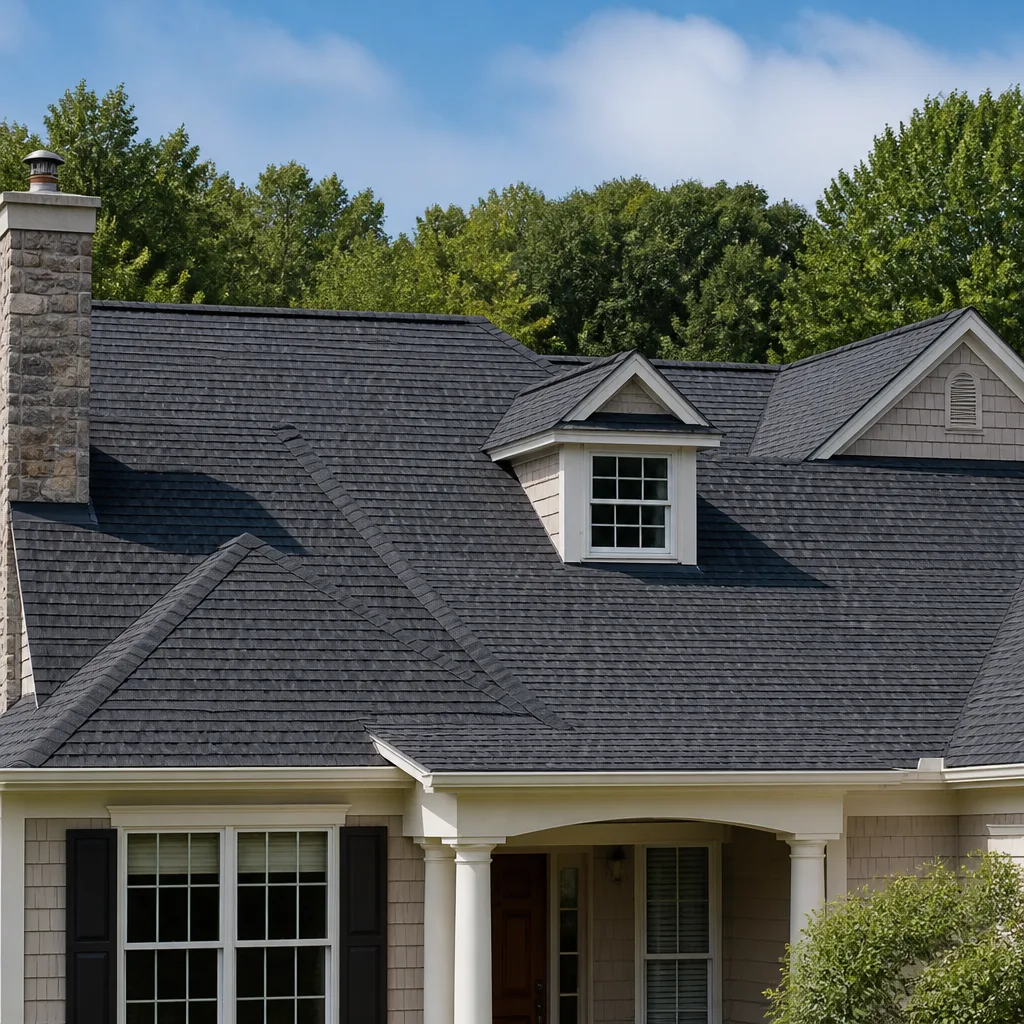
We stock and install roofing compatible with Plant Prefab’s panelized and modular systems, with most replacements in Mountain View running $8,000-$20,000 for a full roof and $400-$1,800 for targeted repairs. Most Plant Prefab roofing components are available same-day through our supplier network, and we carry common flashings and membrane sections on our trucks. Most Mountain View owners discover a problem after the first heavy winter rain, when water tracks along a seam or penetration that the factory sealant has dried out on - the flat or low-slope sections common to Plant Prefab’s modern designs don’t give you much warning before water is inside the wall cavity.
Which Plant Prefab Models This Applies To
Plant Prefab’s roofing systems vary by product line, and the part you need depends on whether you’re working with a LivingHome, Cabana, or custom Accessory Dwelling Unit spec. LivingHome models typically ship with a membrane roof system - either TPO or modified bitumen depending on the design year - with pre-cut curbs for skylights and mechanical penetrations. Cabana units and smaller ADUs often use standing-seam metal or a built-up system with integrated solar-ready decking. The identification label is usually on the interior face of an access panel, or on the electrical panel door in units built after 2019; earlier models may have a data sheet taped to the water heater enclosure.
OEM membrane sections and factory-cut flashings are available direct from Plant Prefab’s parts desk, but lead times run 2-3 weeks and they’re priced at a premium. We typically source compatible membrane from Carlisle or GAF with matching mil thickness and seam geometry, and fabricate flashings on-site from 24-gauge Kynar-coated steel to match the original profile. The aftermarket route saves roughly 20-30% on material and cuts wait time to 24-48 hours. One compatibility gotcha: Plant Prefab’s 2017-2019 LivingHome series used a proprietary curb detail for plumbing vents that’s slightly narrower than the standard 12-inch flashing base. We measure on-site and adjust rather than assume.
Signs Your Plant Prefab Roofing Is Failing
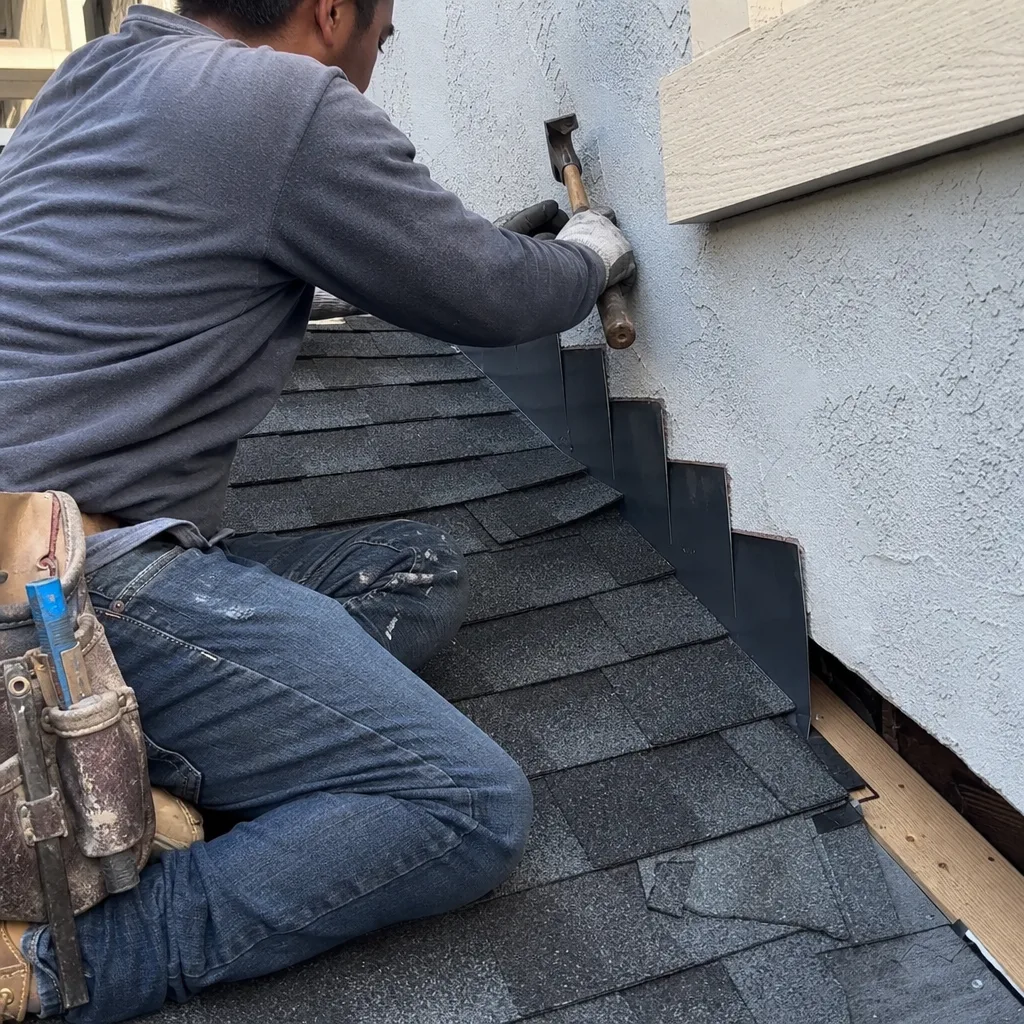
- Water stains on ceiling panels near seams or penetrations. Plant Prefab roofs rely heavily on tape-sealed membrane seams and factory-applied penetration boots. When the butyl tape ages past about 8-10 years in Mountain View’s UV exposure, capillary action pulls water inward along the seam rather than shedding it. The stain pattern usually follows a straight line, which tells you it’s a seam, not a puncture.
- Bubbling or tenting of the membrane surface. This means moisture has gotten between the membrane and the insulation board, often because a seam opened or a curb flashing lifted. On Plant Prefab’s low-slope designs, water doesn’t run off fast enough to prevent saturation once the seal is compromised. Left alone, the OSB or magnesium-oxide board underneath delaminates.
- Rust streaks from metal edge details or standing seams. Mountain View’s marine layer deposits salt that accelerates corrosion on factory steel flashings, especially on west-facing roof planes. The rust itself isn’t structural, but it signals that the protective coating has failed and the base metal is thinning.
- Interior humidity spikes or musty odor in conditioned spaces. Plant Prefab’s tight envelope means even small roof leaks pressurize moisture into wall cavities rather than venting it. If your humidity monitor climbs 10-15% on rainy days and you can’t find a window leak, check the roof-to-wall transitions.
- Cracked or chalking sealant at skylight curbs or vent pipes. The factory-applied urethane or silicone sealant on Plant Prefab units has a service life of roughly 7-12 years in California sun. Once it chalks and crazes, the flexible joint becomes a rigid crack that opens with thermal cycling.
 Before
 After
AfterReplacement Cost & What’s Included
Here’s how Plant Prefab roofing work is priced in Mountain View:
| Scope | Price Range |
|---|---|
| Targeted membrane repair (up to 50 sq ft) | $400 - $1,100 |
| Penetration reflash (1-2 curbs/vents) | $600 - $1,400 |
| Partial membrane replacement (section) | $2,500 - $6,500 |
| Full roof replacement, membrane system | $8,000 - $16,000 |
| Full roof replacement, standing-seam metal | $12,000 - $20,000 |
The range depends on three factors: membrane type and mil thickness, how much of the substrate needs replacement (we open and inspect before quoting), and whether the roof has integrated solar or mechanical equipment that must be temporarily detached and reseated. Our quote is a flat written price with a written scope - under Clause 1 of the Haven Standard, no work starts until you have both in hand. The 365-Day Done Right Promise covers the installation, and the membrane itself carries the manufacturer’s warranty (typically 15-20 years for TPO, 40+ for Kynar metal). Every visit includes a documented photo record of the substrate condition, the installed layers, and the finished work.
DIY or Call Us?
There’s a safe middle ground here, and a hard stop. An owner can walk the roof annually - or hire a handyman with a ladder - to check for obvious sealant cracks, lifted edges, or debris accumulation at drains. Clear the gutters and downspouts, note any changes, and photograph them. That’s reasonable maintenance.
What you should not do: peel back membrane to inspect seams, cut into standing-seam panels, or attempt to heat-weld TPO with a hardware-store iron. Plant Prefab roofs are designed as systems - the membrane, insulation, and deck work together, and disturbing one layer without knowing the attachment pattern risks tearing the waterproofing or compressing the thermal break. We’ve been called to three Mountain View jobs in the last two years where a homeowner’s “quick patch” turned a $600 reflash into a $4,000 partial replacement because the membrane tore at the factory seam and water migrated sideways. If you’re unsure what you’re looking at, call (669) 215-4852 and we’ll schedule a free estimate. Measure twice, write it down, then build it that way.
FAQs
TPO membrane typically lasts 15-20 years in Mountain View’s climate; standing-seam metal can go 40-60 years with proper maintenance. The factory sealants and penetration flashings are the weak points, usually needing attention at 8-12 years. Call (669) 215-4852 for an exact assessment of your unit - estimates are free.
Most Plant Prefab roofs can be repaired if the damage is localized to one or two seams, a single penetration, or a small puncture. Full replacement becomes necessary when the substrate is saturated, multiple seams have failed, or the membrane has aged past its weldability window. We inspect and photograph the substrate before recommending either path. Call (669) 215-4852 for a free estimate.
A targeted repair is usually one day; a full membrane replacement on a typical Plant Prefab unit runs 2-3 days, plus a half-day for inspection if permits are required. Metal roof replacements take 3-5 days depending on panel complexity. We pull permits when the scope requires it, and we schedule around Mountain View’s inspection availability. Call (669) 215-4852 to check current lead times.
We stock common membrane sections, sealants, and flashing profiles on our trucks, and we fabricate custom flashings in our shop. OEM Plant Prefab components are ordered to spec with a 24-48 hour turnaround through our supplier relationships. We’re an independent service provider - not affiliated with Plant Prefab - but we’ve worked on enough of their units in Mountain View to know the compatibility details without guessing. Call (669) 215-4852 to confirm what’s in stock for your model.
Written by Grant Rowan, Owner, Rowan Construction Group Mountain View at Rowan Construction Group Mountain View, serving Mountain View and nearby areas.