
Free written scope consultation - allowances, timeline, and change-order rules on paper before a single trade is scheduled
 Before
 After
After Before
 After
After Before
 After
AfterCWS Fence Installation: The Mountain View Owner’s Guide
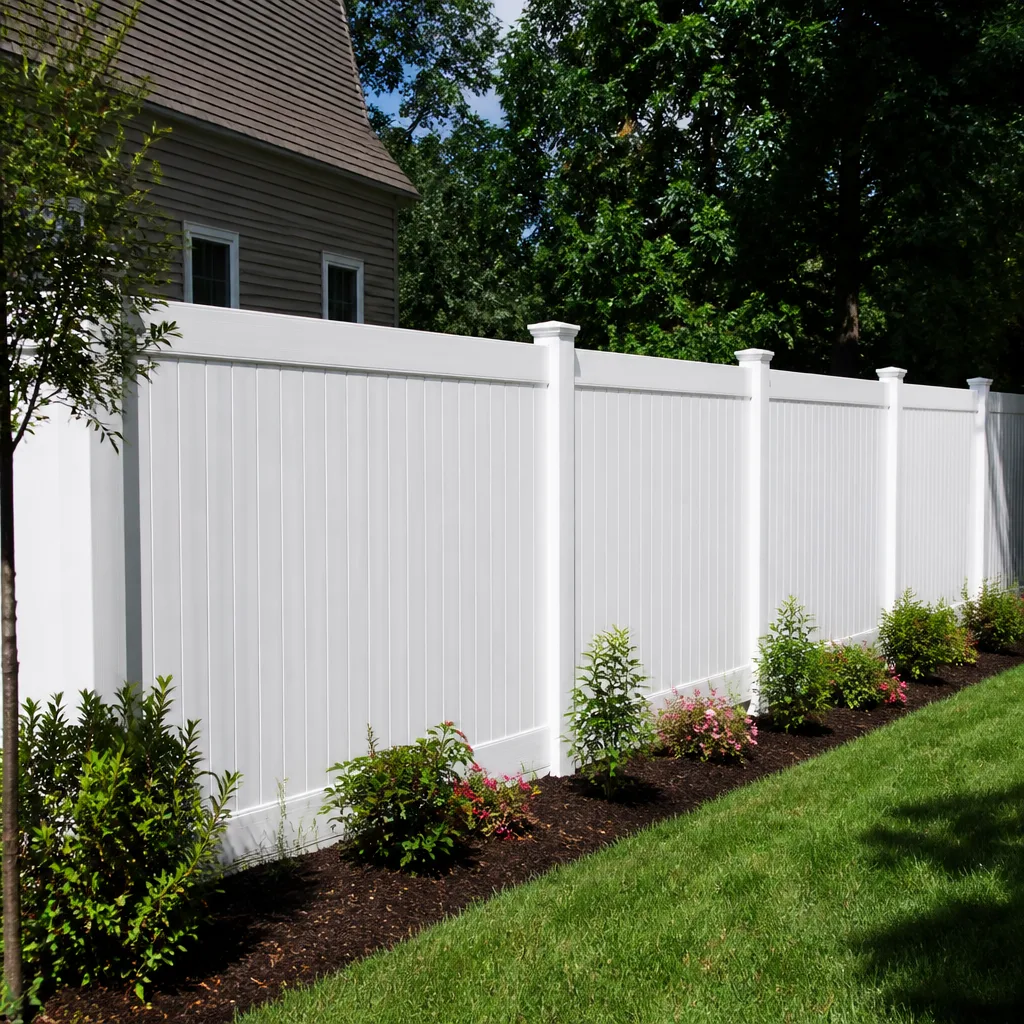
We stock and install CWS-compatible fence systems in Mountain View, with most residential projects running $3,500-$9,000 installed depending on linear footage, terrain, and whether we’re anchoring into the clay-heavy soils common west of El Camino Real or the sandier base near the bay. Most CWS fence installations we quote can start within two weeks of the written estimate, and we carry post anchors, rail brackets, and hardware for common CWS profiles on our trucks. Homeowners usually figure out something’s wrong when the gate starts sagging into the frame, the latch won’t catch after a rainy winter, or they notice the posts leaning toward the sidewalk - often because the original installer didn’t sink posts to 36 inches or backfill with drain rock, which matters more in Mountain View’s winter-saturated clay than most people expect.
Which CWS Models This Applies To
CWS produces fence systems across several residential lines, and the hardware varies enough that we verify the series before quoting. The CWS Classic Residential line uses 2-inch square posts with pre-punched rail slots on 6-inch centers, while the CWS Estate series steps up to 2.5-inch posts and uses concealed face brackets rather than through-post fasteners. If you’re not sure which you have, check the inside face of the gate frame for a stamped series mark, or measure the post wall thickness - Classic runs 0.060 inch, Estate runs 0.080 inch, and the brackets are not interchangeable.
We source OEM CWS hardware through regional distributors in San Jose, and we also stock quality aftermarket equivalents from SpecRail and Jerith where the lead time on CWS-branded parts runs long. The aftermarket brackets fit the same post dimensions but use slightly different screw spacing, so we always bring both options on the first visit. In Mountain View, we’ve found that CWS Estate hardware holds up better within a mile of the bay where salt air accelerates galvanic corrosion on the zinc-coated Classic brackets. That’s not a knock on CWS - it’s a specification mismatch for the microclimate, and we flag it before ordering.
Signs Your CWS Fence Installation Is Failing
- Gate sagging or dragging at the latch side. The top rail bracket has loosened or the post itself has settled. In Mountain View’s clay soils, winter saturation causes posts to heave if they weren’t set in drain rock; we see this most often on installations from 2015-2019 before the city tightened setback inspection requirements.
- Latch won’t engage or pops open in wind. The strike plate has shifted on its mounting, or the gate frame has racked out of square. CWS uses a floating strike design that tolerates minor misalignment, but once the gap exceeds 3/8 inch, the cam won’t clear.
- Post leaning toward or away from the fence line. Either the concrete footing has cracked or the post wasn’t set below the frost line. Mountain View doesn’t see hard freeze-thaw, but the expansion-contraction cycle in our clay still tests shallow footings after wet winters.
- Rail popping out of the bracket or visible gap between rail and post. The bracket screw has backed out or the rail end has crushed where it bears against the bracket ear. CWS Classic rails are 1.25-inch hollow tube; if the installer overtightened the set screw, the tube deforms and loses purchase.
- Corrosion staining or white oxidation on brackets and fasteners. Galvanic reaction between the aluminum post and the steel bracket hardware. Within two miles of the bay, we specify stainless bracket kits instead of the standard zinc-coated ones CWS ships with the Classic line.
 Before
 After
AfterReplacement Cost & What’s Included
CWS fence installation in Mountain View typically runs $3,500-$9,000 for residential projects between 80 and 200 linear feet. The low end covers a straight run of CWS Classic in flat terrain with no gate; the high end includes an Estate-series install on a sloped lot with a double driveway gate, automatic opener prep, and permit coordination with Mountain View’s Community Development Department.
Our written quote breaks out materials, labor, and permit fees separately. Materials include posts, rails, pickets, brackets, and concrete; labor covers layout, post-setting, assembly, and final adjustment. We pull permits where required - Mountain View requires a permit for any fence over 6 feet or any masonry wall over 3 feet - and we schedule inspection before backfilling post holes. Under Clause 1 of the Haven Standard, the price we write is the price you pay; no change order gets signed unless you add scope, and we’ve kept projects within 3 percent of the agreed number across 4,000-plus jobs since 2007. The 365-Day Done Right Promise covers workmanship; manufacturer defects on CWS materials run through their warranty, which we help document.
DIY or Call Us?
There’s no high-tension danger in fence work the way there is with garage door springs, but there are ways to waste money fast. A homeowner can safely check whether a gate is square with a carpenter’s level and whether a post is loose by rocking it - that’s useful information to tell us when you call. Where DIY goes wrong is in post depth and concrete work. Mountain View’s clay holds water; a post set in a dry-crete bag without drain rock will heave within two seasons, and you’ll be digging it out again. We’ve also seen homeowners use standard wood-post concrete mix on aluminum CWS posts, which traps moisture against the base and accelerates corrosion at the footing line.
We carry post drivers, augers set to 36-inch depth, and the right concrete spec for aluminum-to-soil contact. If you want to handle demolition and disposal yourself, we’ll write that into the scope and adjust the price accordingly - but we don’t recommend setting your own posts and calling us to hang the fence. Measure twice, write it down, then build it that way. Call (669) 215-4852 and we’ll schedule a free estimate with a written line-item quote.
FAQs
With proper installation, a CWS aluminum fence lasts 25-30 years in Mountain View’s climate; the powder-coated finish is rated for 20 years against chalking and fading. The hardware is the shorter-life item - expect 10-15 years on standard brackets, less if you’re within a mile of the bay where salt air accelerates corrosion. Call (669) 215-4852 for an exact quote on hardware upgrades to stainless - estimates are free.
Often, yes - if the posts are plumb and the concrete footings are sound, we can replace rails, brackets, or a gate frame without touching the rest of the run. We assess this on every visit; if more than 30 percent of the brackets are failing or the posts are leaning, replacement is usually more economical than piecemeal repair. Call (669) 215-4852 for an exact quote - estimates are free.
A typical 120-linear-foot residential install with one gate takes two to three days in Mountain View, including permit inspection. Day one is layout and post-setting; day two is rail and picket assembly after the concrete has set; day three handles gate hang, hardware adjustment, and final inspection if required. Weather and inspection scheduling can shift this by a day or two. Call (669) 215-4852 to check current lead times.
We carry CWS-compatible post anchors, rail brackets, face brackets, and latch hardware for both Classic and Estate series, plus stainless hardware upgrades for coastal Mountain View properties. Full panel and post stock is warehouse-kept in San Jose with next-day availability; we don’t carry full fence inventory on the truck because CWS offers too many color and profile combinations to cover practically. Call (669) 215-4852 and we’ll verify your series and color match before the first visit.
Written by Grant Rowan, Owner, Rowan Construction Group Mountain View at Rowan Construction Group Mountain View, serving Mountain View and nearby areas.