
Free written scope consultation - allowances, timeline, and change-order rules on paper before a single trade is scheduled
 Before
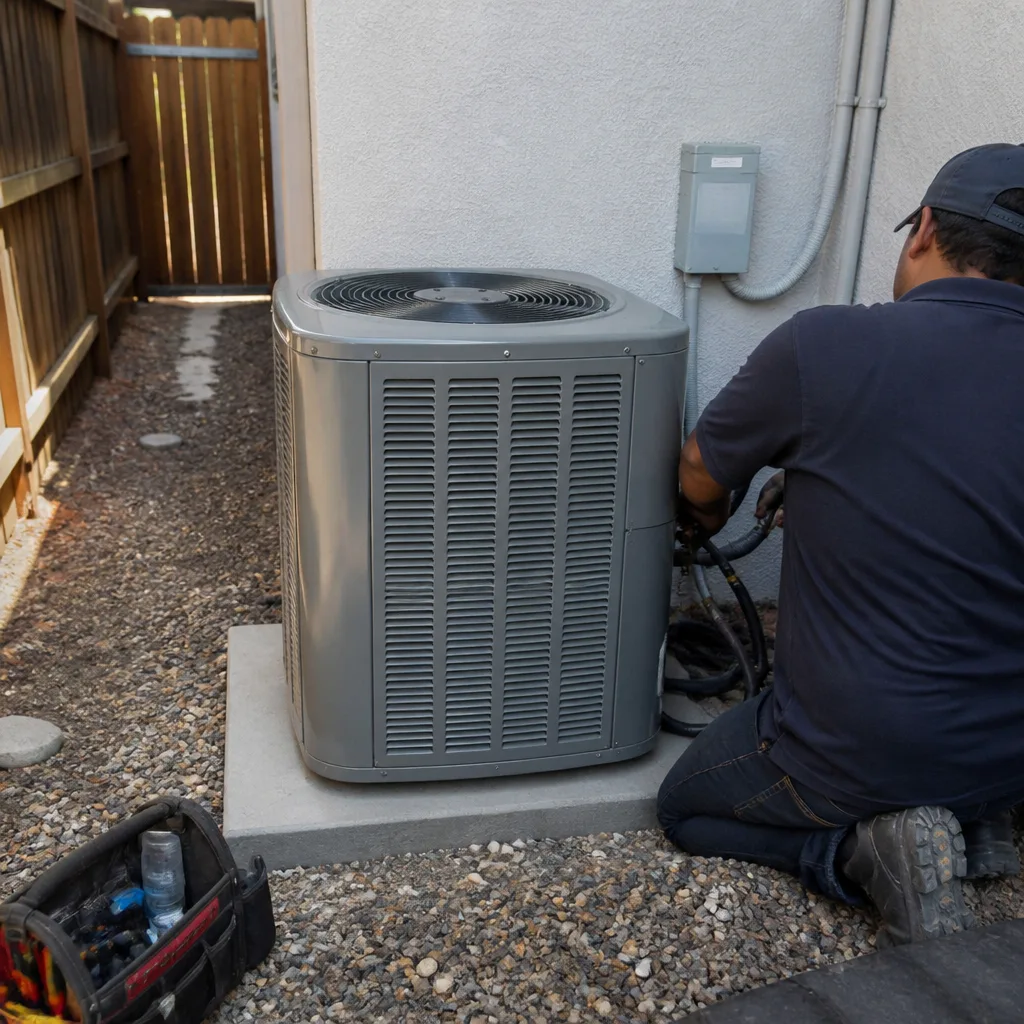 After
After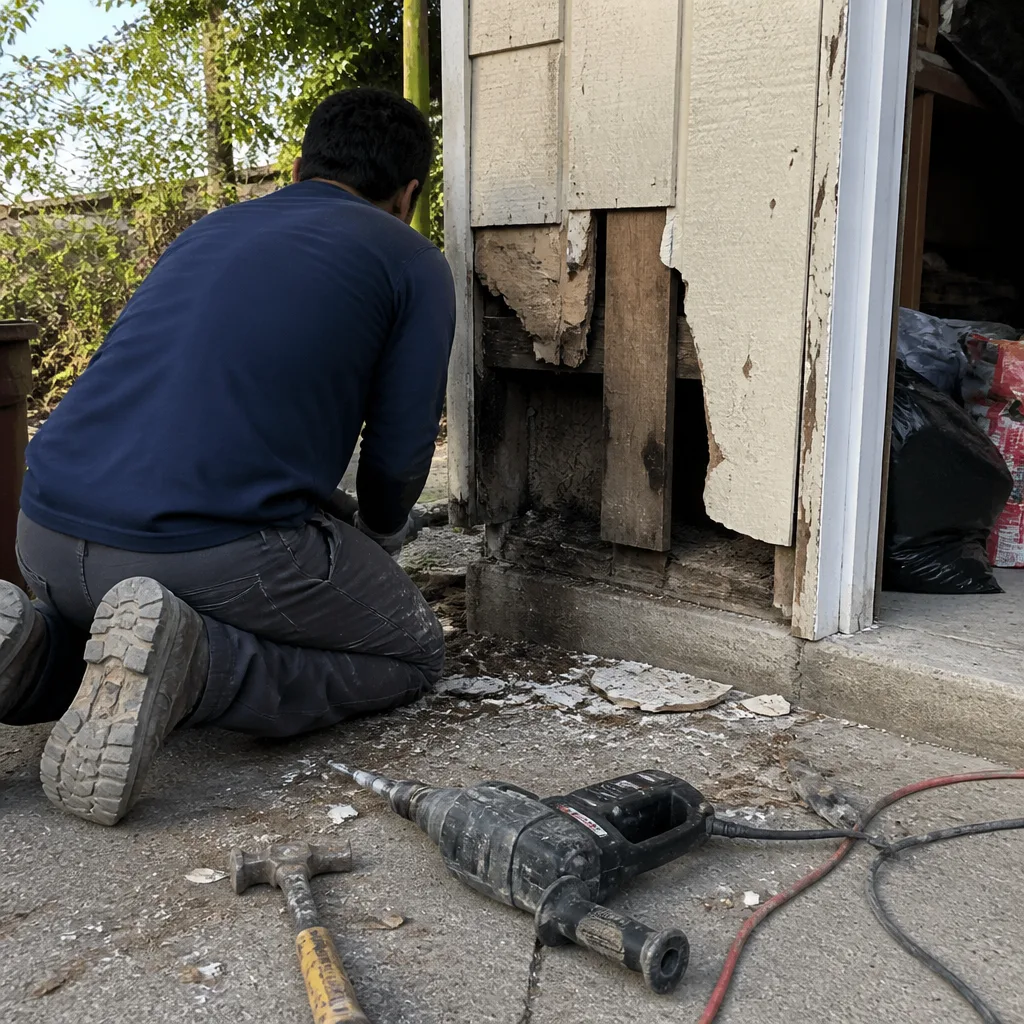 Before
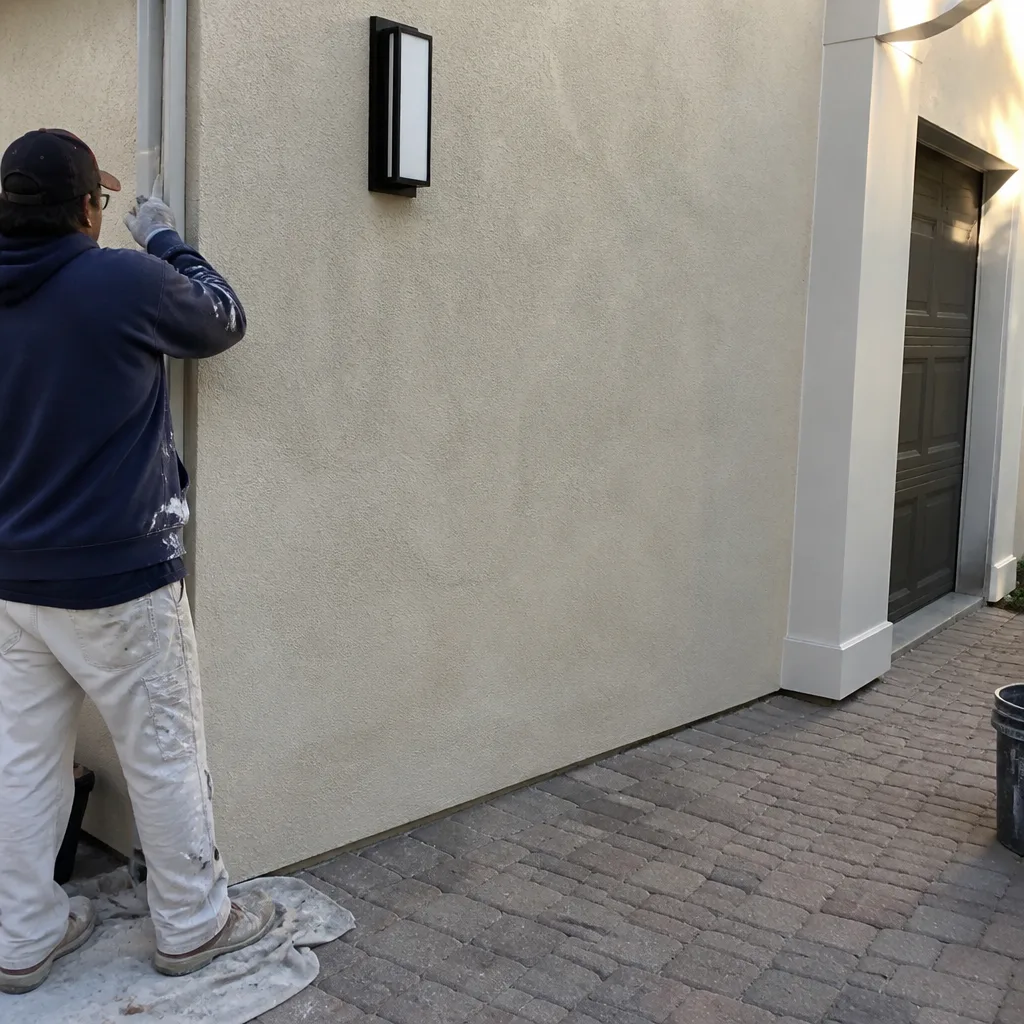 After
After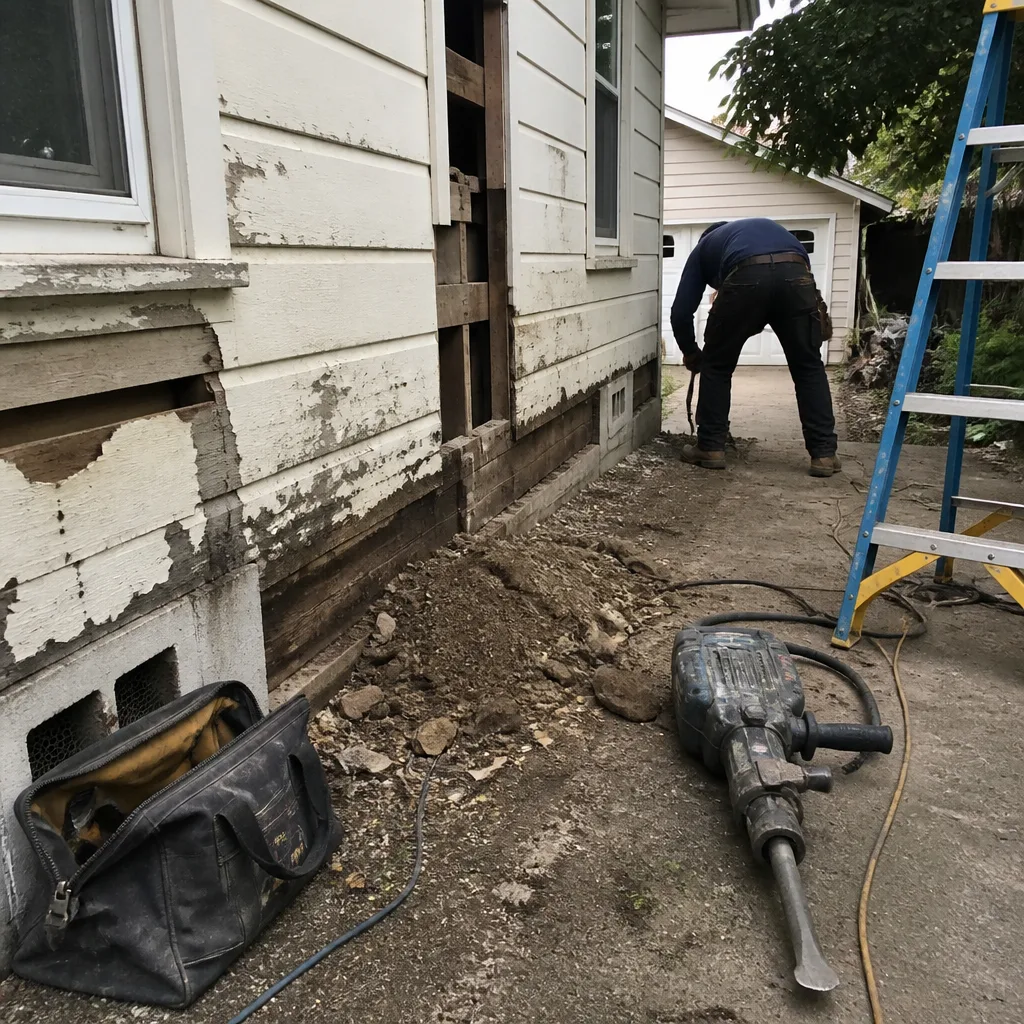 Before
 After
AfterAbodu Home Additions & ADU: The Mountain View Owner’s Guide
We stock and install Abodu-compatible components for home additions and ADUs across Mountain View, with typical installed pricing for Abodu-related structural and systems work running $45,000-$130,000 depending on scope. Most Mountain View owners first notice trouble during seasonal shifts - doors that stick in October when the Bay Area’s marine layer thickens, or hairline cracks appearing after a dry Santa Clara Valley summer contracts the soil beneath the foundation pad. We carry the structural connectors, moisture-barrier membranes, and HVAC integration kits that Abodu units require, and we can usually assess whether the issue is component failure or installation-context failure within one site visit.
Which Abodu Models This Applies To
Abodu produces prefabricated backyard homes across several product lines, including the Abodu One, Abodu Two, and the newer Abodu Studio configurations. The critical compatibility point for Mountain View owners isn’t the floor plan - it’s the foundation type and the local amendment cycle. Abodu units installed before 2021 often used a post-and-pier foundation with a specific Simpson Strong-Tie connector set; units from 2022 onward shifted toward slab-on-grade with integrated moisture barriers to meet updated California Title 24 energy standards.
To identify your part needs, check the metal data plate mounted on the electrical panel door - it lists the unit serial, foundation spec, and the HVAC rough-in date. The OEM hardware is Abodu-specified, but for structural connectors and flashing, we regularly source equivalent-grade Simpson or USP components that carry the same ICC-ESR report numbers at lower lead times. One gotcha in Mountain View specifically: units delivered during the 2020-2021 supply crunch sometimes shipped with temporary-grade sill gaskets that were supposed to be swapped for permanent closed-cell foam during install. We’ve found three downtown Mountain View properties where that swap never happened, and the gasket had compressed to 30% of its original thickness.
Signs Your Abodu Home Addition & ADU Is Failing
- Door and window frames out of square. The steel moment frame in Abodu units tolerates minimal racking; if the foundation settles unevenly - common in Mountain View’s older neighborhoods near Rengstorff Avenue where clay content runs higher - you’ll see binding before you see cracks. The underlying cause is usually shim pack compression or sill plate rot where the moisture barrier failed at the concrete interface.
- HVAC short-cycling or poor temperature hold. Abodu units use a ductless mini-split sized precisely to the envelope load. When the continuous exterior insulation is compromised - often at the electrical penetration grommets, which harden and crack after four to five years of Peninsula UV exposure - the unit fights an invisible load it wasn’t designed for.
- Water staining at the ceiling-to-wall junction. The flat roof membrane on pre-2022 units was a TPO field seam system; the seam tape at the parapet wall can delaminate where Mountain View’s overnight marine condensation pools before morning burn-off. This looks like a roof leak but is actually a detail failure at the membrane termination.
- Exterior siding gaps opening at panel seams. Abodu’s panelized cedar or fiber-cement siding expands and contracts on a different cycle than the steel frame behind it. The slip joint at vertical panel breaks is supposed to accommodate 3/8-inch movement; when fasteners are over-torqued at original install, the panel buckles instead of sliding, creating a visible gap or a popped fastener head.
- Electrical GFCI nuisance tripping. The subpanel in Abodu units is typically a Siemens or Square D load center with AFCI/GFCI breakers. Ground faults in accessory dwelling units often trace to the exterior receptacle circuit, where the in-use cover gasket degrades and allows moisture intrusion during Mountain View’s heavier winter rains - not a breaker failure, but a weatherproofing failure that presents as one.
 Before
 After
AfterReplacement Cost & What’s Included
| Scope | Typical Range in Mountain View |
|---|---|
| Foundation-level repair (shim replacement, sill plate, moisture barrier) | $8,500 - $22,000 |
| Roof membrane replacement (TPO or upgraded PVC) | $4,500 - $12,000 |
| HVAC mini-split replacement or upsizing | $3,500 - $8,500 |
| Full envelope remediation (siding, insulation, air sealing) | $18,000 - $45,000 |
| Complete ADU systems overhaul | $45,000 - $130,000 |
What drives the range: access for equipment, whether the unit is occupied during work, and whether Mountain View’s building department requires a full permit re-submission or allows a repair permit by right. Under Clause 1 of the Haven Standard, we deliver a written price before any work starts - every line item named, no “allowances” that balloon later. The quote includes parts, labor, permit fees, and a documented photo record. Our 365-Day Done Right Promise covers the workmanship; manufacturer warranties pass through directly to you.
DIY or Call Us?
There’s a safe middle ground and a hard stop. An owner can verify the data plate information, photograph any visible gaps or stains for documentation, and confirm whether the GFCI breaker label matches the tripping circuit - that’s useful intel that speeds our diagnosis. What we don’t recommend: removing siding panels to inspect the slip joints (the fastening pattern is load-calculated and easy to disrupt), cutting roof membrane to trace a leak (TPO requires hot-air welding equipment most homeowners don’t own), or adjusting the mini-split refrigerant charge (EPA Section 608 certification required, and the wrong charge destroys the compressor).
We’re an independent service provider - not affiliated with Abodu - and we’ve worked on their units enough to know where the documentation ends and the field reality begins. If you’re seeing symptoms, call (669) 215-4852 and we’ll schedule a free assessment. Measure twice, write it down, then build it that way.
FAQs
The steel frame and foundation connectors are rated for 50-plus years, but the weather-dependent components wear faster: roof membrane seams show stress at 8-12 years due to UV and thermal cycling, exterior gasket materials harden in 4-6 years, and the mini-split outdoor coil collects Peninsula salt air residue that reduces efficiency after year 7 without annual cleaning. Call (669) 215-4852 for an exact quote on preventive inspection - estimates are free.
Foundation shims and localized membrane patches can often be repaired; compressed sill gaskets and delaminated TPO field seams require replacement because the material won’t re-bond to specification. We assess each case on site and note in writing whether repair or replacement is the honest recommendation. Call (669) 215-4852 for a free second opinion on any other contractor’s written estimate.
Most single-system replacements - roof membrane, HVAC swap, or envelope section - run 3-5 working days once Mountain View issues the permit. Full foundation or multi-system work runs 2-4 weeks. We don’t start until the written price is signed, and no change proceeds without a signed change order, which is why our projects finish within a few percent of the agreed number. Call (669) 215-4852 to schedule.
We stock the common failure items: closed-cell sill gasket, Simpson structural connectors for the standard frame sections, TPO membrane and seam tape, and the most frequent mini-split line set configurations. Model-specific siding panels or custom window units we order with a 2-3 week lead time, and we tell you that in the written quote - no surprises after work starts. Call (669) 215-4852 to confirm availability for your serial number.
Written by Grant Rowan, Owner, Rowan Construction Group Mountain View at Rowan Construction Group Mountain View, serving Mountain View and nearby areas.