
Free written scope consultation - allowances, timeline, and change-order rules on paper before a single trade is scheduled
 Before
 After
After Before
 After
After Before
 After
AfterMr-Glass Roofing: The Mountain View Owner’s Guide
We stock and install Mr-Glass-compatible roofing components in Mountain View, with most Mr-Glass roof repairs running $400-$1,800 installed and replacement systems starting at $8,000. Most parts we carry on the truck; if we need to order, lead time is typically 24-48 hours through our supplier network. Mountain View owners usually discover a Mr-Glass failure after a hard rain - water spots on the ceiling, granules in the gutter, or a sudden draft in the attic where the membrane seam has separated. The Santa Clara Valley’s temperature swings, especially the hot afternoons followed by cool Bay fog, accelerate the thermal cycling that degrades these components faster than inland climates.
Which Mr-Glass Models This Applies To
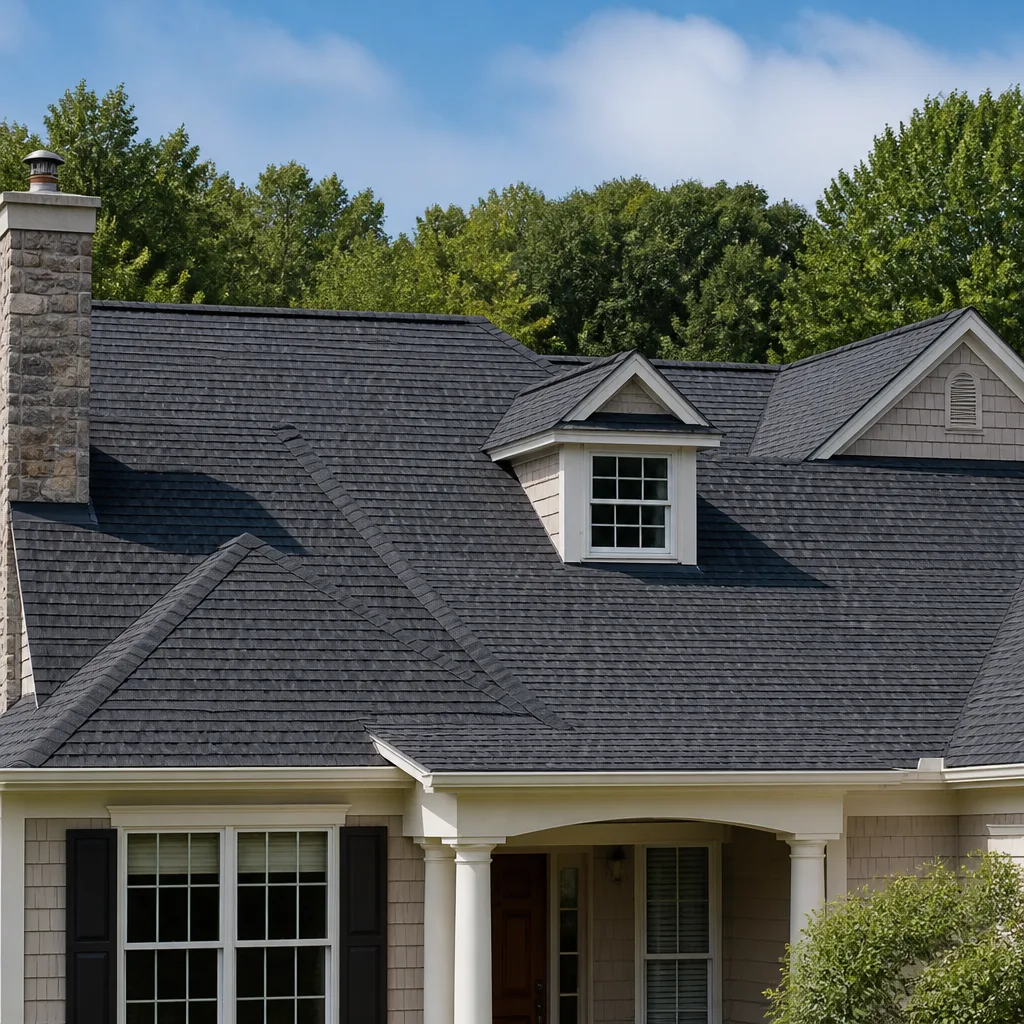
Mr-Glass roofing systems fall into several series lines, and the part you need depends on when your roof was installed. The MG-2000 series, common on Mountain View homes built between 2005 and 2012, uses a 36-mil TPO membrane with heat-welded seams - the seam tape and welding rod are proprietary widths, so generic substitutes often fail at the lap joint. The newer MG-3000 and MG-Pro lines switched to a 45-mil membrane with a different scrim reinforcement; the flashing profiles and termination bar dimensions changed too, so a 2000-series drip edge won’t seat correctly on a 3000-series deck.
To identify your series, check the manufacturer’s label on the membrane roll edge, usually visible at the roof perimeter or access hatch. If the label’s gone, measure the membrane thickness with a caliper at a cut edge - 36-mil versus 45-mil is definitive. We source OEM Mr-Glass parts where the specification demands it, and we use vetted aftermarket equivalents from GAF or Owens Corning where the performance spec matches and the price difference matters. For seam welding on the MG-2000, we stick with OEM welding rod; the thermal expansion coefficient is matched to the membrane, and we’ve seen aftermarket rod crack at the weld in under three years on south-facing Mountain View slopes.
Rowan Construction Group Mountain View is an independent service provider - we’re not affiliated with Mr-Glass - and we document the part source on every invoice so you know what you’re getting.
Signs Your Mr-Glass Roofing Is Failing
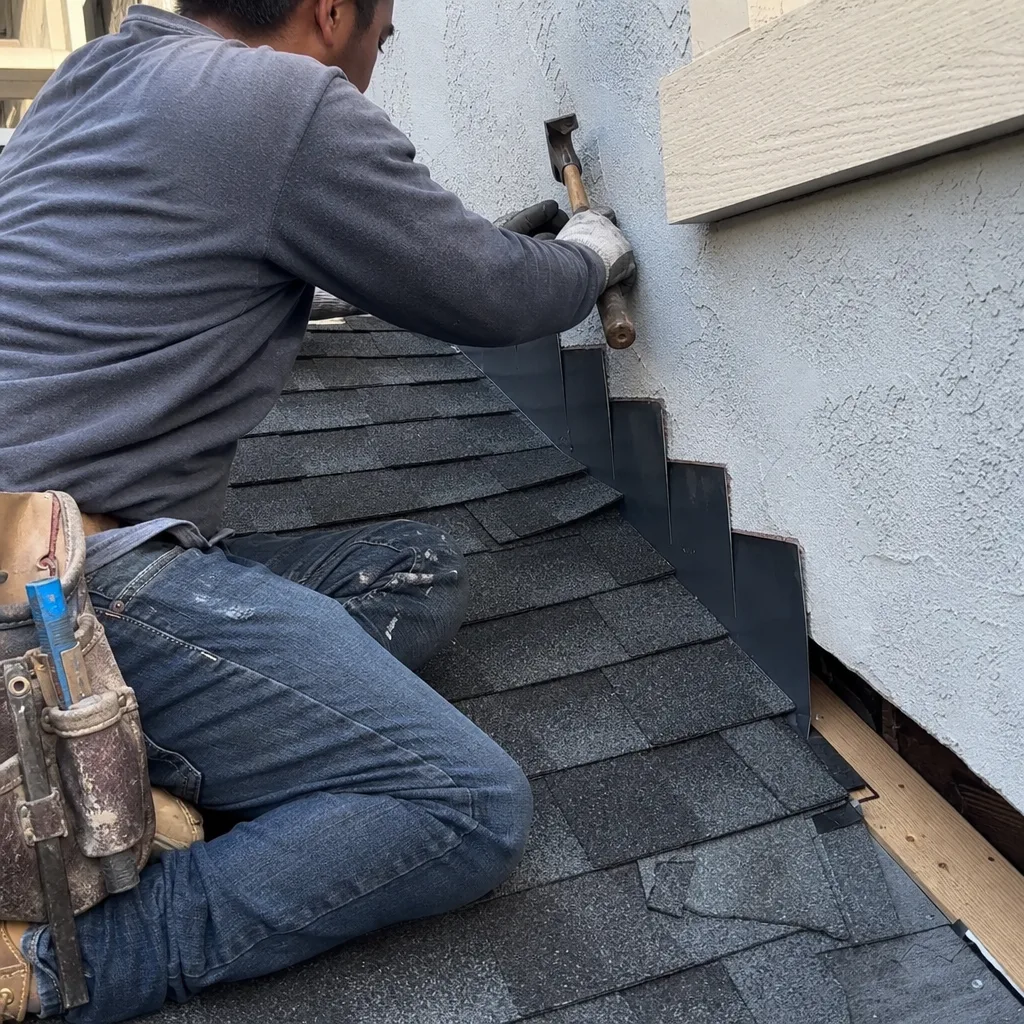
- Water stains on the ceiling below the roof plane. On Mr-Glass systems, this usually traces to a failed seam weld or a puncture in the field membrane. The TPO doesn’t absorb water, so the leak travels along the underside until it finds a fastener hole or gap in the insulation - the stain point and the breach are rarely aligned.
- Granules or membrane flakes collecting in gutters or downspouts. Mr-Glass membranes don’t granulate like asphalt shingles, but the protective topcoat does chalk and shed as UV degradation advances. Heavy accumulation means the UV inhibitors are spent and the membrane is becoming brittle.
- Bubbles or wrinkles visible across the roof surface. These are trapped moisture pockets or adhesive failures between the membrane and the insulation board. In Mountain View’s climate, morning fog moisture gets under lifted edges, then afternoon heat expands it into blisters that split on the next freeze cycle.
- Sudden increase in attic temperature or HVAC load. A compromised Mr-Glass membrane loses its reflective index; the white surface that once bounced back 80% of solar gain turns gray and absorptive. We measure this with an infrared camera on inspection - the temperature differential across a failed section is usually 15-25 degrees.
- Cracking at penetration flashings - vents, pipes, HVAC curbs. Mr-Glass uses prefabricated boots for standard pipe sizes, but the compression seal gasket hardens after 8-12 years in California UV. The crack starts at the gasket lip and propagates into the surrounding membrane if not caught.
 Before
 After
AfterReplacement Cost & What’s Included
Mr-Glass roof repair in Mountain View typically runs $400-$1,800, depending on whether we’re patching a single seam or replacing a full slope section. A complete Mr-Glass roof replacement starts at $8,000 and ranges to $20,000 for larger or more complex Mountain View homes with multiple penetrations, steep pitches, or deck repairs.
What drives the range: membrane square footage, whether the insulation board is salvageable, and how many penetrations need custom flashing. We price by the written scope, not by the square - a 1,200-square-foot roof with twelve HVAC curbs and a skylight costs more in labor than a 2,000-square-foot blank plane. Every quote includes the part, the labor, the documented photo record, and disposal. Under Clause 1 of the Haven Standard, the price is written before anyone starts; no change proceeds without a signed change order. Our 365-Day Done Right Promise covers the workmanship, and the membrane carries the manufacturer’s warranty - we register it in your name and send you the certificate.
DIY or Call Us?
There’s a safe middle ground here, and then there’s a hard stop. A homeowner can walk the roof perimeter with binoculars to spot obvious blisters, check the attic for daylight through the membrane, and photograph any stains for reference - that’s useful information and it costs nothing. What we don’t recommend: attempting to weld TPO seams with a hardware-store heat gun, walking a wet or steep roof to patch a breach, or cutting into the membrane to “see how bad it is.” The heat welding on Mr-Glass systems runs at 600-1,100 degrees Fahrenheit with precise speed and pressure; too slow and you burn through, too fast and the weld is cold and will leak within the season. Falls from single-story roofs account for a significant share of residential construction injuries, and Mountain View’s tile and composite slopes get slick fast with Bay Area morning condensation.
If you’ve found a symptom, call us at (669) 215-4852. We’ll inspect, photograph what we find, and give you a written price before any work starts. Measure twice, write it down, then build it that way.
FAQs
Expect 15-22 years for the MG-2000 series and 20-25 years for the MG-3000 and MG-Pro lines in Mountain View’s climate. The coastal UV is less intense than inland California, but the thermal cycling from hot afternoons to cool foggy mornings accelerates seam stress - we’ve replaced MG-2000 membranes at 14 years on south-facing slopes and seen north-facing MG-3000 systems still sound at 24. Call (669) 215-4852 for an exact assessment of your roof’s condition - estimates are free.
Yes, if the failure is localized - a single seam breach, a puncture under 4 inches, or a failed penetration flashing. We cut out the damaged section, weld in a patch with compatible membrane, and test the weld with a probe. If the membrane is broadly chalked, brittle, or showing multiple seam failures, patching becomes a game of whack-a-mole and replacement is the honest recommendation. We document both options with photos and a written price for each. Call (669) 215-4852 to schedule the inspection.
Most repairs are completed in one day; a full replacement on a typical Mountain View single-family home takes 2-4 days depending on deck condition and weather. We don’t work in rain, and we don’t rush the weld cure - a proper TPO weld needs ambient temperatures above 45 degrees and dry conditions to set correctly. We’ll give you a day-by-day schedule in the written scope. Call (669) 215-4852 to book a slot.
We carry common Mr-Glass-compatible membranes, seam tapes, welding rods, and penetration flashings on our Mountain View service vehicles. Proprietary colors or the MG-Pro series’ thicker 60-mil walkable membrane may need a 24-48 hour order. When you call (669) 215-4852, we’ll ask for your series and the symptom so we arrive with the right material - no return trip, no delay.
Written by Grant Rowan, Owner, Rowan Construction Group Mountain View at Rowan Construction Group Mountain View, serving Mountain View and nearby areas.