
Free written scope consultation - allowances, timeline, and change-order rules on paper before a single trade is scheduled
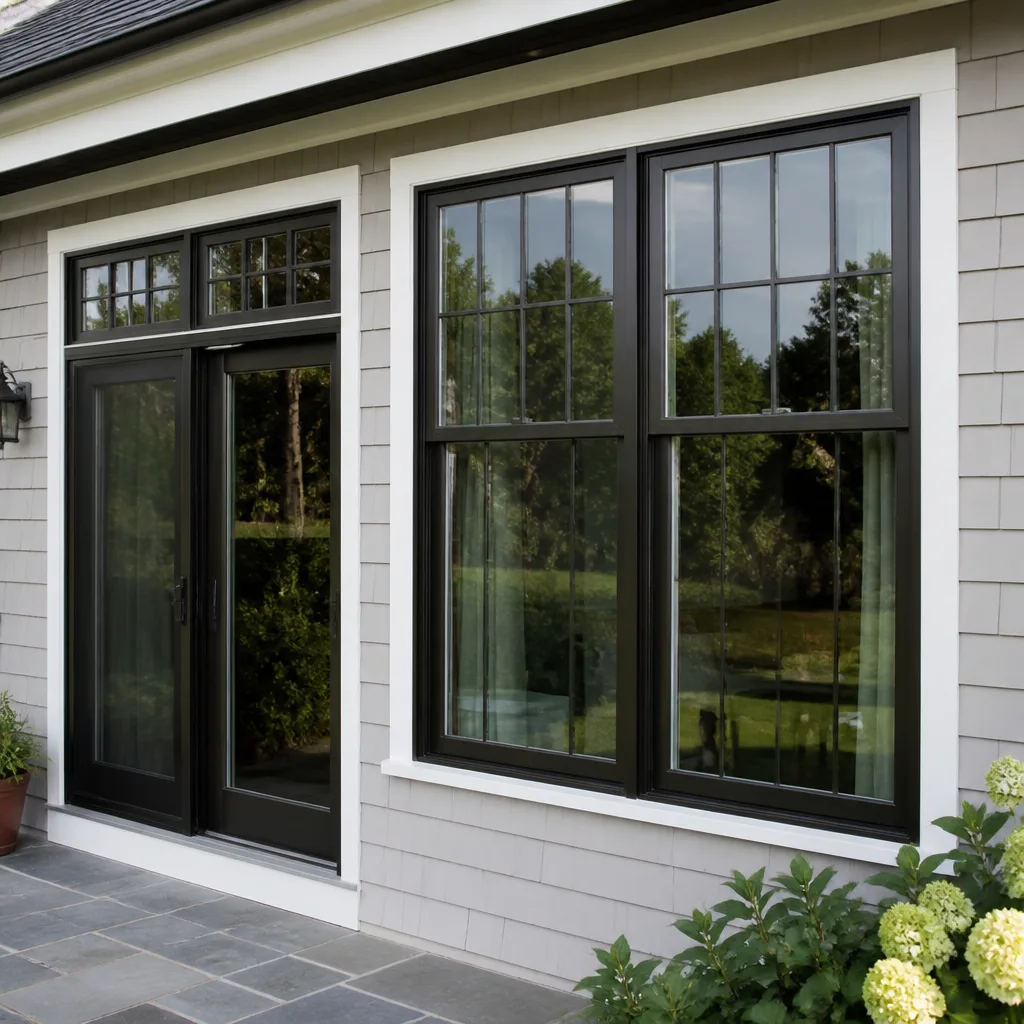
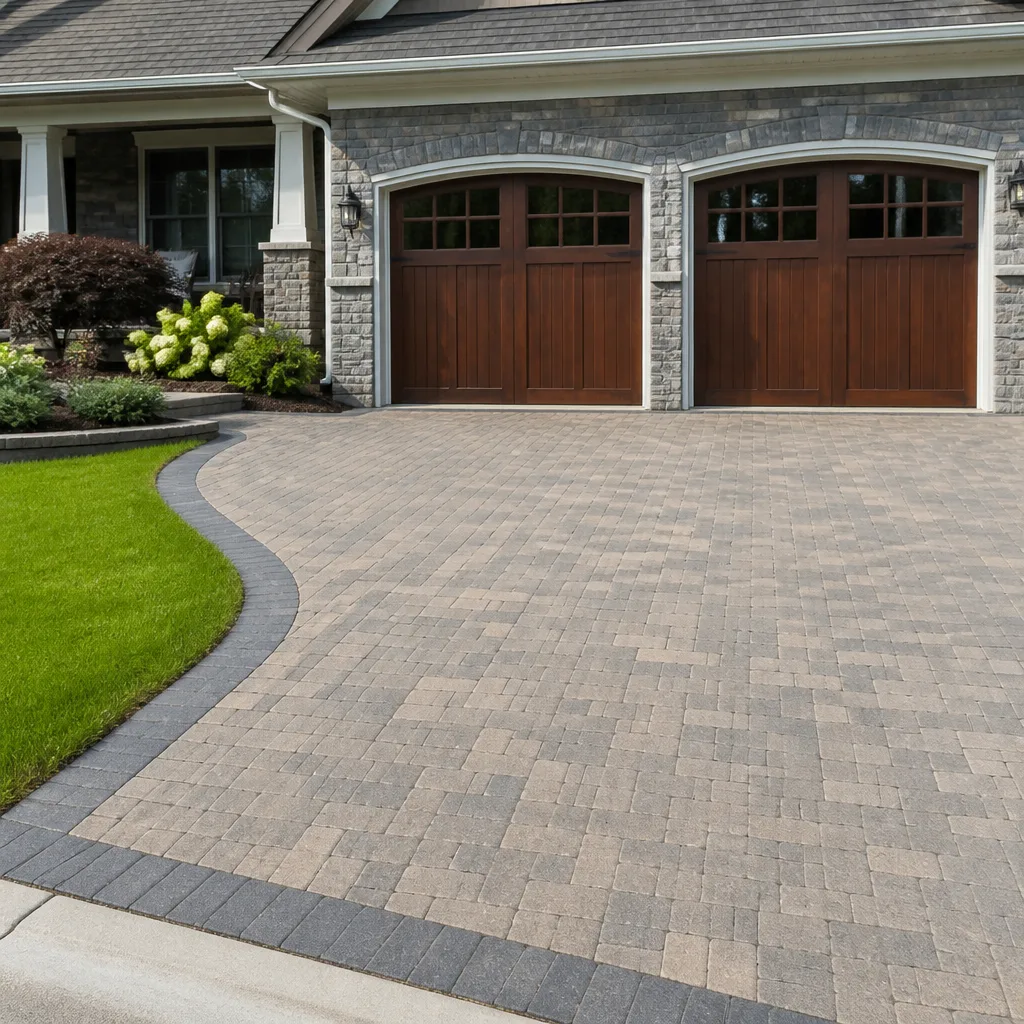
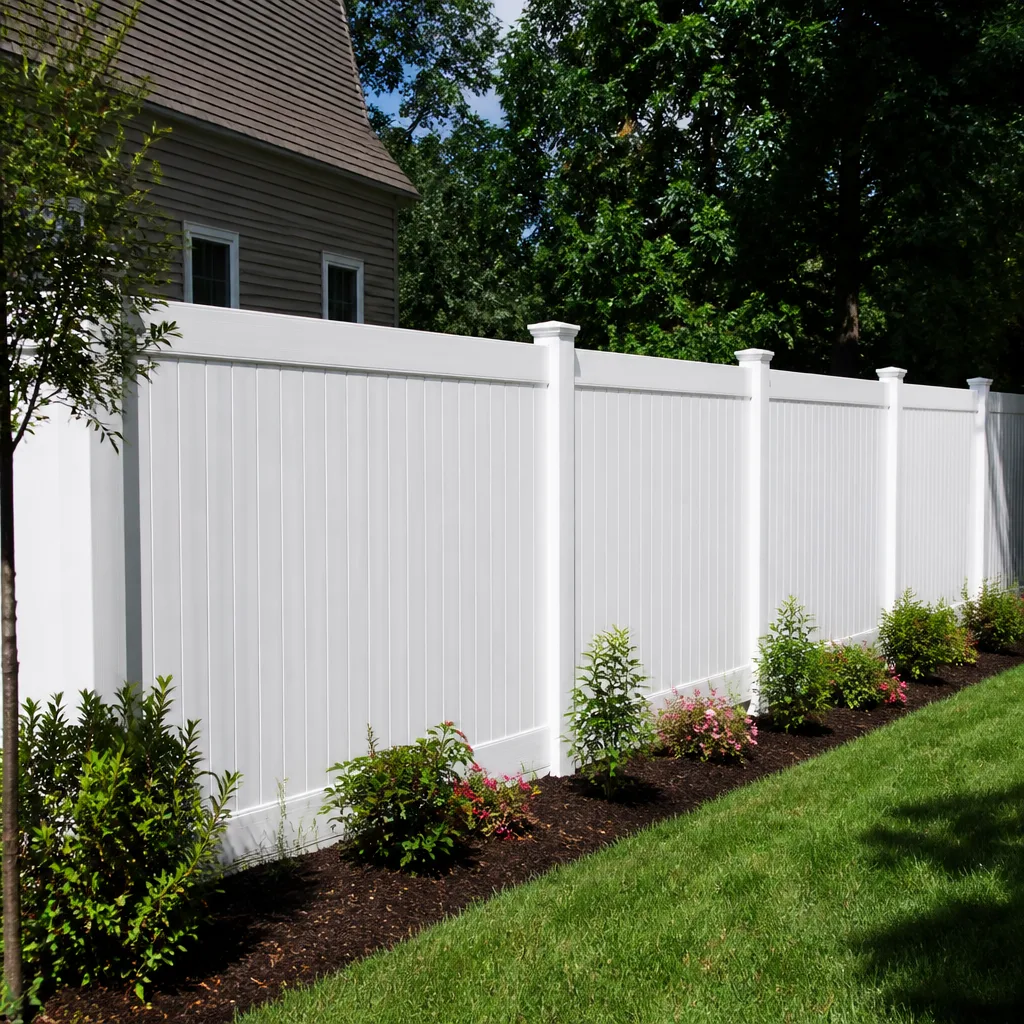
 Before
 After
After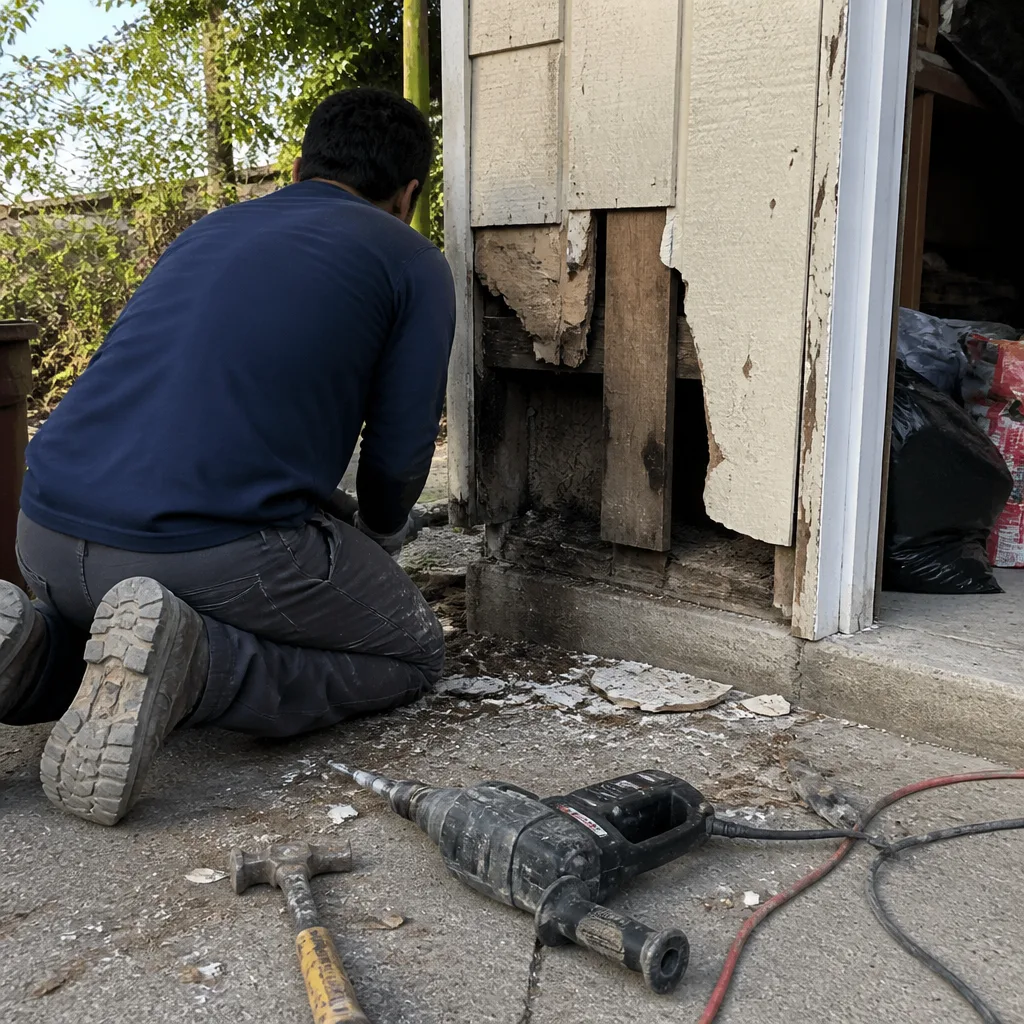 Before
 After
After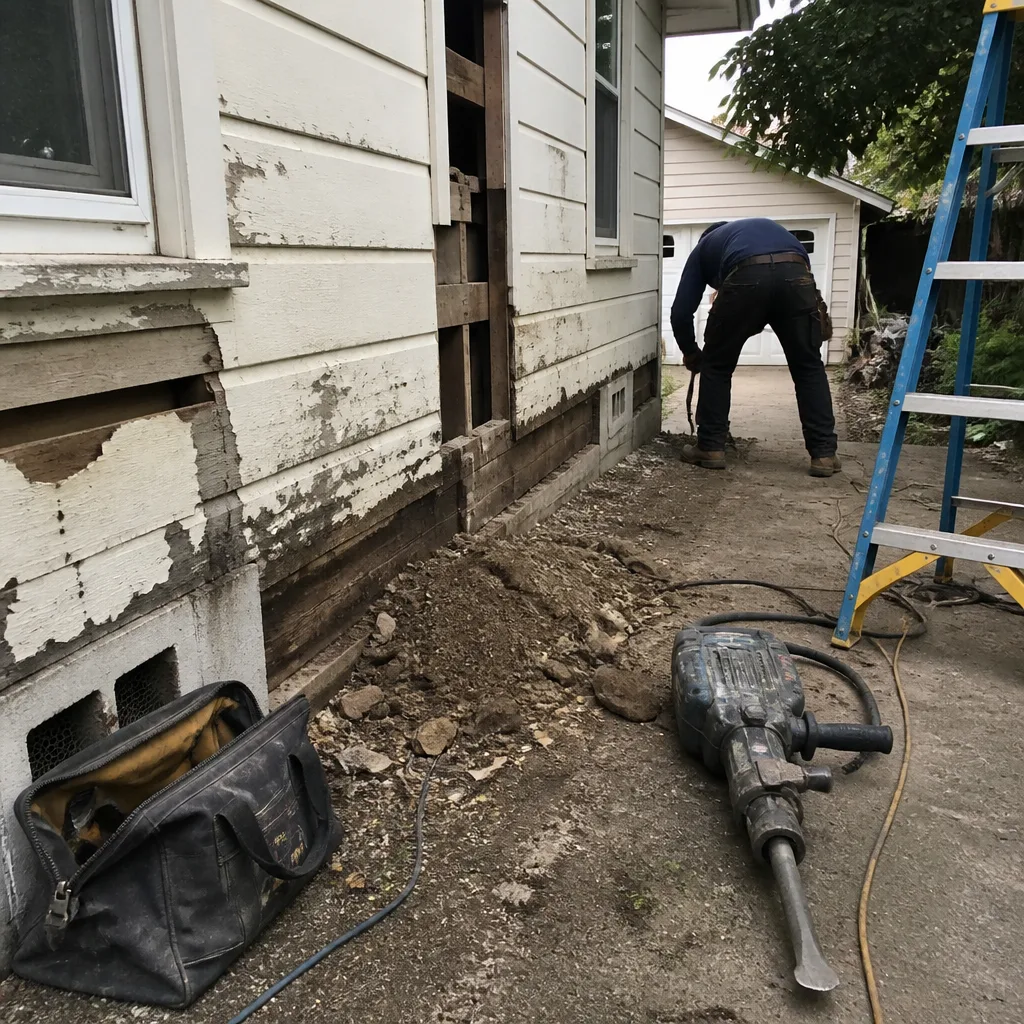 Before
 After
AfterCertainTeed Home Additions & ADU: The Mountain View Owner’s Guide
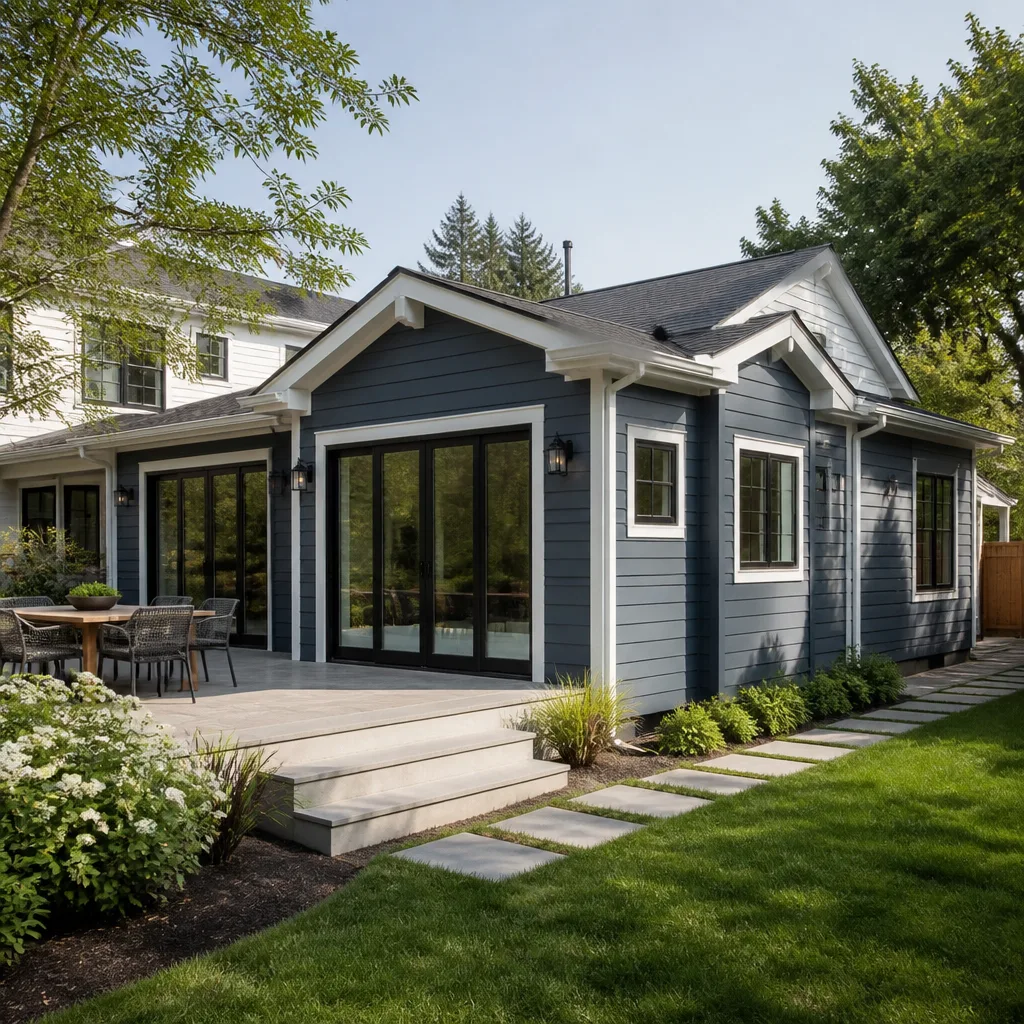
We stock and install CertainTeed-compatible systems for home additions and ADU construction in Mountain View, with typical installed project pricing from $45,000 to $130,000 for additions and $90,000 to $220,000 for detached ADUs. Most Mountain View homeowners who call us have already spotted a problem: water intrusion at the addition-to-existing wall joint, sagging in CertainTeed vinyl siding panels on south-facing elevations, or a roof tie-in that’s pulling away after a few seasons of Santa Clara Valley thermal cycling. We carry CertainTeed Cedar Impressions, Monogram, and MainStreet siding profiles, plus matching trim and flashing components, and we can typically assess and quote within 48 hours.
Which CertainTeed Models This Applies To
CertainTeed’s exterior product lines for additions and ADUs break into three families, and matching the profile exactly matters because interlocking edges differ by thousandths of an inch. Monogram is the double 4″ and double 5″ clapboard style found on most Mountain View ranch additions from the 1990s forward; MainStreet is the single 7″ exposure, more common on newer ADU builds where budget drives selection; Cedar Impressions is the shake and shingle-style panel used when the design review board or HOA requires a specific aesthetic, which we’ve encountered repeatedly near Old Mountain View and the Monta Loma neighborhood.
To identify your profile, look for the stamped code on the nailing hem of an existing panel, usually visible at a corner or where a piece was cut for a fixture. The code format is CT-XXXX-MMDDYY. If the stamp is faded, measure the exposure height and check whether the panel has a foam-back insulation layer; CertainTeed’s CedarBoards insulated siding, for instance, is 1-1/4″ thick overall and will not interlock with standard Monogram trim. We stock both OEM CertainTeed accessories and quality-matched alternatives from Tapco and Mid-America for trim components where the original part is back-ordered, which has been frequent since 2022 on specific earth-tone color runs popular in Mountain View’s older subdivisions.
Signs Your CertainTeed Home Addition or ADU Exterior Is Failing
- Buckling or waviness in siding panels, especially on south or west walls. This is usually trapped moisture behind the panel, caused by a failed or missing housewrap seam at the addition tie-in. In Mountain View, the afternoon sun off the bay pushes wall surface temperatures past 140°F on dark colors, accelerating the delamination of any water that got in through a gap.
- Cracked or brittle corner posts and J-channel at window openings. CertainTeed’s earlier vinyl formulations, particularly pre-2010 production, become brittle after 8-12 years of UV exposure in this climate. The part looks intact until you touch it, then it snaps.
- Water staining on interior drywall at the ceiling or wall where the addition meets the original structure. This points to a failed step flashing at the roof-to-wall intersection, or a missing kickout diverter where the addition roof dumps against the main wall. We’ve found this on three Castro Street area jobs in the past two years, all from the same installation detail being omitted.
- Gaps opening at horizontal panel laps, visible from the ground. The locking leg on CertainTeed panels can fatigue if the substrate was not flat at installation, or if the panel was nailed too tight and thermal expansion has worked it loose. Mountain View’s 40°F daily temperature swings in spring and fall make this worse than in more stable climates.
- Soft or spongy OSB sheathing at the base of the addition wall. By the time you can poke a screwdriver through it, the CertainTeed panel itself is often still hanging on, hiding the damage. The cause is almost always bulk water getting past a failed starter strip or missing water table trim at the foundation line.
 Before
 After
AfterReplacement Cost & What’s Included
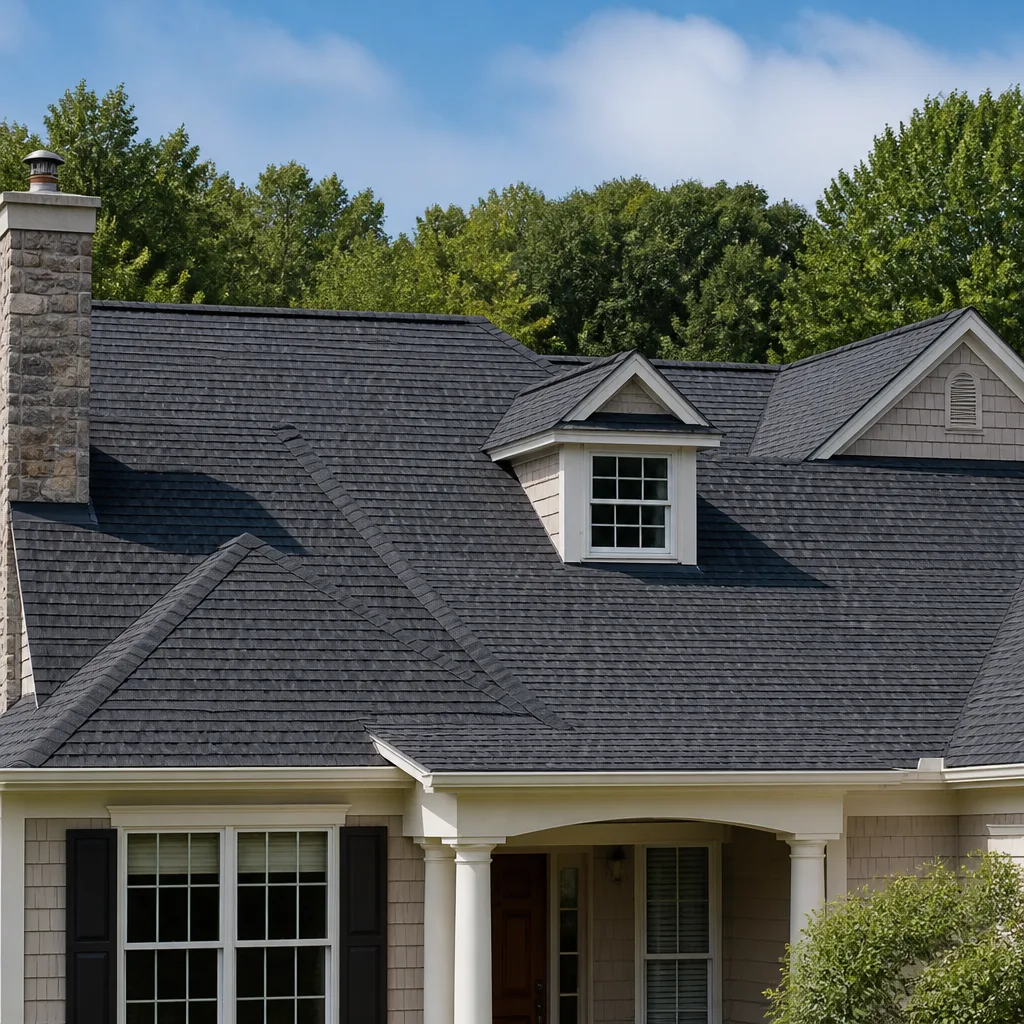
For CertainTeed siding and trim repair on an existing Mountain View addition or ADU, expect $3,500-$8,500 for localized panel replacement and flashing correction; full residing of an addition runs $18,000-$42,000 depending on square footage and whether we’re also correcting the substrate. ADU roof tie-in repairs with matching CertainTeed Landmark or NorthGate shingles start around $4,200 and climb if the sheathing is compromised.
| Scope | Price Range | Typical Duration |
|---|---|---|
| Localized siding panel + trim replacement | $3,500 - $8,500 | 2-4 days |
| Full addition residing (substrate sound) | $18,000 - $32,000 | 1-2 weeks |
| Full addition residing (substrate replacement) | $28,000 - $42,000 | 2-3 weeks |
| Roof tie-in repair with matching shingles | $4,200 - $9,500 | 2-3 days |
| Complete ADU exterior package (siding + roof + trim) | $45,000 - $85,000 | 3-5 weeks |
What drives the range: accessibility (scaffolding vs. ladder work), whether we’re matching discontinued colors from CertainTeed’s archive program, and the condition of what’s underneath. Every quote is a flat written price with line-item breakdown; under Clause 1 of the Haven Standard, that number does not change unless you sign a change order. We include a 365-Day Done Right Promise on all workmanship, and the documented photo record from every visit comes standard, not as an upgrade.
DIY or Call Us?
There’s a short list of checks a Mountain View homeowner can safely make: walk the perimeter with binoculars looking for panel gaps, probe suspect corner posts gently with a flathead screwdriver to test brittleness, and verify that downspouts are dumping at least 6 feet from the addition foundation. What you should not do is pull a siding panel to inspect behind it, cut into a roof tie-in, or attempt to replace step flashing yourself; these are fall hazards and weather-sealing critical details, and we’ve been called in after DIY attempts that turned a $4,000 flashing repair into a $12,000 sheathing replacement.
We’re not affiliated with CertainTeed; we’re an independent Mountain View contractor that sources their products and knows their installation requirements. If you’re seeing any of the symptoms above, call (669) 215-4852 and we’ll schedule a free assessment with a written quote before any work starts.
FAQs
Properly installed CertainTeed vinyl siding in Mountain View typically lasts 25-35 years, though south-facing walls with dark colors may show surface degradation in 18-22 years due to UV and thermal cycling. The product warranty is lifetime limited for original owners, but that covers manufacturing defects, not installation errors or substrate failure. Call (669) 215-4852 for an exact condition assessment - estimates are free.
Localized repair is viable if we can source matching panels and the substrate behind is sound; we stock common Mountain View colors and can access CertainTeed’s archive program for discontinued runs. If the damage extends to sheathing or insulation, partial residing is more cost-effective than repeated patchwork. We’ll show you both options in the written quote.
A 400-square-foot addition with sound substrate takes 4-6 working days; if we’re replacing OSB or adding a rainscreen, add 3-5 days. We work sequentially, not scattered across multiple jobs, so once we start, we’re there until it’s done. Measure twice, write it down, then build it that way.
We stock Monogram and MainStreet panels in the most common Mountain View colors, plus universal trim components; specialty orders from CertainTeed’s plant in Buffalo, New York typically arrive in 7-10 business days. We don’t start demo until materials are on-site, so your addition isn’t left open to weather.
Written by Grant Rowan, Owner, Rowan Construction Group Mountain View at Rowan Construction Group Mountain View, serving Mountain View and nearby areas.